7.0
rating
Ludopedia
6.1
rating
BGG
Our Verdict
RECOMMENDED
Who loves fast card games with a dash of mad science will dig Crazy Lab – the perfect mix of trick-taking strategy and laboratory chaos.
Highlights
- Engaging trick mechanics
- Mad scientist theme
- Quick gameplay
- Dynamic color strategy
Keep in mind
- Points can be negative
- Trump colors change each round
- Scoring rules can be confusing
Rules manual not indexed yet
Upload the PDF rulebook to ask questions about this game with AI.
About the game
What you do in a play session
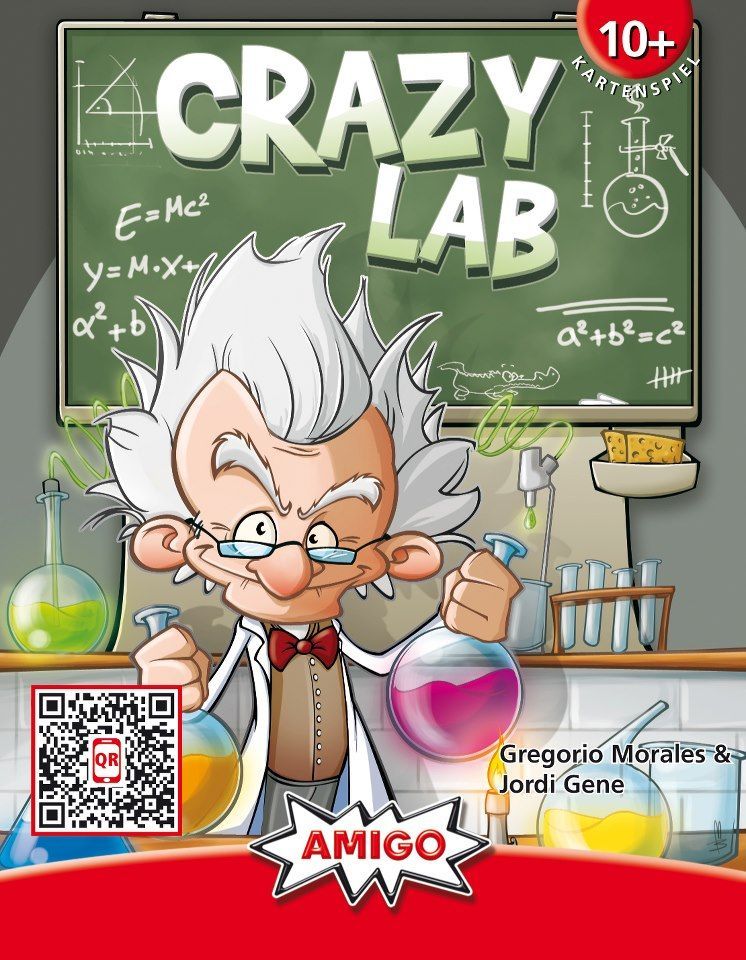
Crazy Lab is a trick‑taking card game that thrusts you into the chaotic realm of mad scientists, each eager to blend colorful liquids and spark explosive reactions. The cards are like laboratory vials, each holding a handful of “points” represented by colored suits and numeric values. When you win a trick, the card joins your collection and you start accumulating points based on the colors you’ve picked. At the start, every player receives a random public color that works as a penalty: the more cards of that color you have at the end, the more negative points you’ll lose. After looking at your hand, you choose a secret hidden color that will earn you positive points when the game ends. To keep things spicy, each player also picks two extra colors that will be added to the trump deck, meaning the trump can change color each round and add a layer of strategy. Each round begins with a card from the trump deck being revealed. Players then play a card from their hand in turn. The card with the highest trump color wins the trick and claims the round. But beware: because each vial contains multiple colors, you might win a blue‑trump trick and still collect a bunch of red points. When all the cards have been played, the game ends. The player with the highest final score—taking into account positive points, negative penalties, and trump colors—takes the victory. Crazy Lab blends trick‑taking mechanics with the thrill of a laboratory mash‑up, making it a quick, 20‑minute game that’s ideal for anyone who loves fast play and a dash of scientific insanity.
Gallery
Box and component photos
Tap any photo to open fullscreen. Photos submitted by the community or publisher.
Rules videos
Learn by watching before you open the box
In English

Best player count
BGG community vote
3
REC
4
BEST
5
BEST
Soundtrack
Ambience suggested by Melodice
Loading playlist...
Where to Buy
Prices monitored daily
Finding best prices...
Prices unavailable at this time.
Price history — last 6 months (lowest new offer)
As an Amazon Associate I earn from qualifying purchases. Prices and availability subject to change.
Alert enabled!
Join the BoardGamesBot deals group
Get the best board game deals every day — without message spam.
Join the WhatsApp groupGame details
Mechanics, categories, families and credits
Mechanics
Categories
Families
Publisher
AMIGO, Corfix
Designer
Gregorio Morales, Jordi Gené
Artist
Marek Bláha
Community
Data from BoardGameGeek
462owners
53wishlist
10want to play
Frequently Asked Questions
Quick answers before you buy
How many players can play?
Crazy Lab is designed for 3 to 5 players, ensuring everyone gets a chance to participate in the rounds and trunfo decisions.
How long does a game take?
Each session lasts about 20 minutes, making it perfect for quick play between friends or filling gaps in events.
What is the complexity level?
The trick‑taking mechanic is easy to learn, but the color choices and trunfo dynamics add strategic depth that keeps the game engaging.
What components are included?
The set comes with a 60‑card deck, scoring tokens, a rulebook, and a small trunfo marker.
Who is this game for?
It’s ideal for card game enthusiasts who enjoy sci‑fi themes and mechanics that blend luck and strategy.
How does the trunfo work?
You choose two colors to add to the trunfo deck; the card revealed each round determines which color has priority, affecting who wins the trick.
How is the final scoring calculated?
At game end, you add points from your chosen positive colors, subtract points from negative colors, and factor in the trunfo cards played to determine the winner.
Other Games You'll Like
Based on mechanics and theme