Torchlit
(Self-Published), Allplay, Little Dog Games · Board game · 2024
2–5 · best 4
30–45 min
Weight 2.2/5
Buy · from US$ 15.99
7.5
rating
Ludopedia
7.3
rating
BGG
Our Verdict
RECOMMENDED
Perfect for trick-taking fans who enjoy risk management and bluffing. The point-splitting mechanic adds a great layer of tension!
Highlights
- Innovative twist on trick-taking
- Fast and dynamic gameplay
- Well-integrated dungeon theme
- Easy to learn, hard to master
Keep in mind
- Ties can be frustrating
- Relies heavily on group interaction
Rules manual not indexed yet
Upload the PDF rulebook to ask questions about this game with AI.
About the game
What you do in a play session
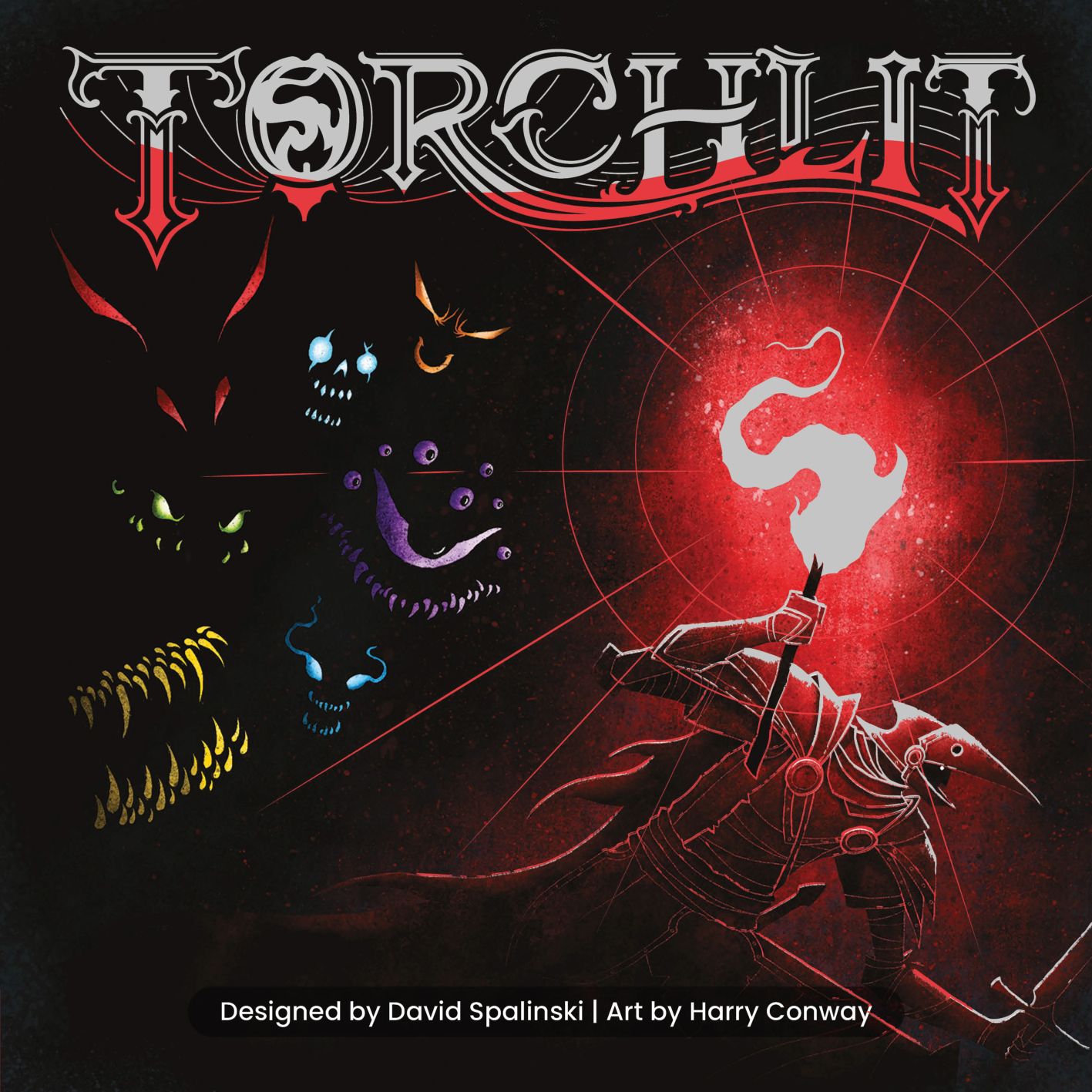
We've all had that dream: diving into a monster-infested dungeon, conquering everything, and returning home draped in glory and gold. In Torchlit, that's the goal, but the execution is where the real fun begins. The catch is that not all dungeons are created equal; some are practically empty, while others are crawling with rival adventurers eager to split your loot. To make matters worse, the fickle Dungeon Warden is always lurking in the shadows, pulling the strings of fate just to keep you on your toes. That's why every adventurer carries a torch—not just for light, but for survival.
At its core, Torchlit is a trick-taking game, but it adds a clever layer of strategy. It's not just about winning as many tricks as possible; it's about timing and prediction. You must decide exactly when to win a trick and when to push the value of the tricks you expect to take. The real tension comes from the point system: points are limited. If you and another player end up winning the same number of tricks, you're forced to split the points, which can completely derail your path to victory. It's a game of psychological warfare where you're constantly guessing your opponents' intentions while trying to ensure you don't tie with anyone. After three rounds of strategic maneuvering and tactical plays, the player with the highest score wins. It's a fast-paced, tense experience that's perfect for those who love card games that reward reading the table and calculating risks on the fly.
At its core, Torchlit is a trick-taking game, but it adds a clever layer of strategy. It's not just about winning as many tricks as possible; it's about timing and prediction. You must decide exactly when to win a trick and when to push the value of the tricks you expect to take. The real tension comes from the point system: points are limited. If you and another player end up winning the same number of tricks, you're forced to split the points, which can completely derail your path to victory. It's a game of psychological warfare where you're constantly guessing your opponents' intentions while trying to ensure you don't tie with anyone. After three rounds of strategic maneuvering and tactical plays, the player with the highest score wins. It's a fast-paced, tense experience that's perfect for those who love card games that reward reading the table and calculating risks on the fly.
Gallery
Box and component photos
Tap any photo to open fullscreen. Photos submitted by the community or publisher.
Rules videos
Learn by watching before you open the box


Best player count
BGG community vote
2
OK
3
REC
4
BEST
5
REC
Soundtrack
Ambience suggested by Melodice
Loading playlist...
Where to Buy
Prices monitored daily
Finding best prices...
Prices unavailable at this time.
Price history — last 6 months (lowest new offer)
As an Amazon Associate I earn from qualifying purchases. Prices and availability subject to change.
Alert enabled!
Join the BoardGamesBot deals group
Get the best board game deals every day — without message spam.
Join the WhatsApp groupGame details
Mechanics, categories, families and credits
Mechanics
Categories
Families
Publisher
(Self-Published), Allplay, Little Dog Games
Designer
David Spalinski
Artist
David Spalinski, Harry Conway, Phil Rynda
Community
Data from BoardGameGeek
1,777owners
617wishlist
119want to play
Frequently Asked Questions
Quick answers before you buy
How long does a game take?
Games are quite fast, lasting between 30 to 45 minutes, making it great for multiple playthroughs.
Is it hard to learn?
Not at all! It has a low weight (2.2/5), so the basic rules are simple, while the depth comes from reading your opponents.
How many players can play?
From 2 to 5 players. It works well in any setup, though more players make the fight for points more chaotic.
Is the game complex?
It's an entry-to-mid level game. If you're familiar with trick-taking games (like Hearts or Bridge), you'll pick it up in no time.
Who would you recommend Torchlit to?
Anyone who enjoys competitive card games, likes predicting opponents' moves, and enjoys a bit of table tension.
Other Games You'll Like
Based on mechanics and theme