7.7
rating
Ludopedia
6.3
rating
BGG
Our Verdict
RECOMMENDED
Perfect for those who love the thrill of risking it all for a big payout, featuring very smooth mechanics.
Highlights
- Constant 'push your luck' tension
- Simple rules and quick learning
- Satisfying character progression
- Fast-paced and dynamic matches
Keep in mind
- Luck can be brutally punishing
- Limited player interaction
Rules manual not indexed yet
Upload the PDF rulebook to ask questions about this game with AI.
About the game
What you do in a play session
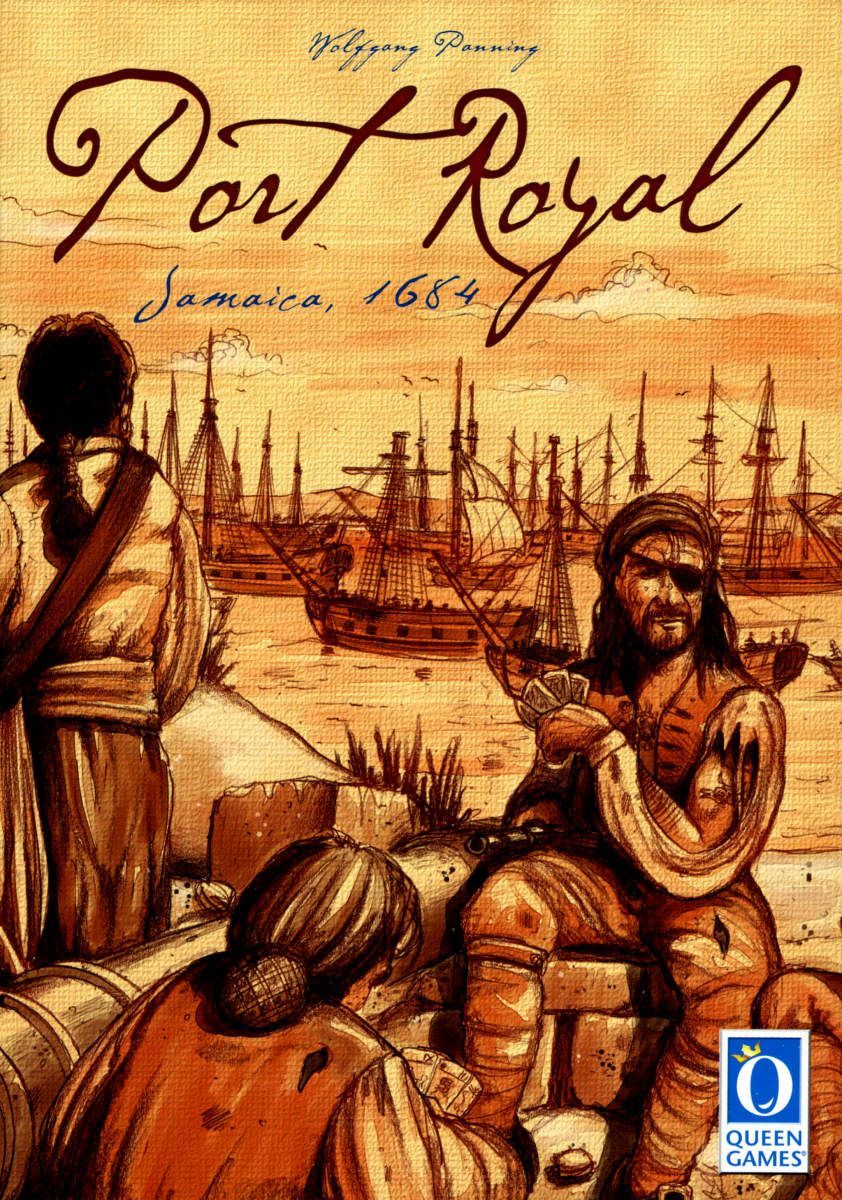
Dust off your captain's hat and set sail, because you've just docked at Port Royal! In the heart of the Caribbean, on the island of Jamaica, the region's busiest port is the perfect spot for those looking to turn courage into gold. You take on the role of a bold merchant aiming to close the deal of a lifetime, navigating the thin line between absolute glory and total bankruptcy. The goal is straightforward yet tense: accumulate the most wealth and influence to dominate the port.
But don't think it's just about sailing and profiting. The game is a constant exercise in 'push your luck'. You must decide how far you can push your luck as you reveal cards from the deck: the further you go, the greater the rewards, but the higher the risk of losing everything you've earned in that round. To mitigate this danger, you can reinvest your profits to hire specialized crew members and win the favor of Admirals and Governors, who open doors to more prestigious expeditions.
While you attempt to expand your influence, remember that the economy is ruthless. Every debt incurred must be paid off from your winnings, and managing the space on your ships is crucial, as they have limited capacity. It's a frantic race where greed is both your greatest ally and your worst enemy. The first player to reach twelve influence points proves they are the true master of Port Royal and wins the game. Designed by Alexander Pfister, the game blends the tension of risk with the satisfaction of seeing your commercial empire grow, all within dynamic matches and streamlined rules, making it ideal for those who want strategic adrenaline without reading a hundred-page manual.
But don't think it's just about sailing and profiting. The game is a constant exercise in 'push your luck'. You must decide how far you can push your luck as you reveal cards from the deck: the further you go, the greater the rewards, but the higher the risk of losing everything you've earned in that round. To mitigate this danger, you can reinvest your profits to hire specialized crew members and win the favor of Admirals and Governors, who open doors to more prestigious expeditions.
While you attempt to expand your influence, remember that the economy is ruthless. Every debt incurred must be paid off from your winnings, and managing the space on your ships is crucial, as they have limited capacity. It's a frantic race where greed is both your greatest ally and your worst enemy. The first player to reach twelve influence points proves they are the true master of Port Royal and wins the game. Designed by Alexander Pfister, the game blends the tension of risk with the satisfaction of seeing your commercial empire grow, all within dynamic matches and streamlined rules, making it ideal for those who want strategic adrenaline without reading a hundred-page manual.
Gallery
Box and component photos
Tap any photo to open fullscreen. Photos submitted by the community or publisher.
Best player count
BGG community vote
3
REC
4
REC
Soundtrack
Ambience suggested by Melodice
Loading playlist...
Where to Buy
Prices monitored daily
Finding best prices...
Prices unavailable at this time.
Price history — last 6 months (lowest new offer)
As an Amazon Associate I earn from qualifying purchases. Prices and availability subject to change.
Alert enabled!
Join the BoardGamesBot deals group
Get the best board game deals every day — without message spam.
Join the WhatsApp groupGame details
Mechanics, categories, families and credits
Mechanics
Categories
Families
Publisher
Queen Games
Designer
Wolfgang Panning
Artist
Franz Vohwinkel
Community
Data from BoardGameGeek
418owners
48wishlist
15want to play
Frequently Asked Questions
Quick answers before you buy
Is the game too complex for beginners?
Not at all! The rules are intuitive and the game flow is fast, making it great for beginners or those wanting strategy without the headache.
How long does a game take?
It usually lasts around 60 minutes, depending on how bold (or unlucky) the players are.
How many people can play?
The game is balanced for 3 to 4 players, ensuring the competition for the port is tight.
Do I need to know English to play?
Hardly. There is very little text, and most information is visual or easily memorized.
Is it more about luck or strategy?
It's a balance. Luck decides what comes from the deck, but strategy lies in knowing exactly when to stop and how to invest your profits.
Other Games You'll Like
Based on mechanics and theme