4.5
rating
Ludopedia
4.7
rating
BGG
Our Verdict
RECOMMENDED
If you love a fast, skill‑based challenge, Marbles gives you instant fun.
Highlights
- Simple rules, easy to learn
- Short 10‑minute rounds
- Great for all ages
Keep in mind
- Requires fine motor skill
- Can be unpredictable
Rules manual not indexed yet
Upload the PDF rulebook to ask questions about this game with AI.
About the game
What you do in a play session
Marbles boasts a history that stretches back over three thousand years. Ancient Egyptians crafted them from clay, while Renaissance Italian glassblowers turned them into delicate glass spheres. Today the pastime, known by names such as Potsie, Forts, Ring Taw or Bossout, follows the same basic premise: a chalked circle on the ground, a cluster of marbles in the middle, and a shooter marble you flick from the edge. On each turn a player places the shooter at the circle’s rim and, using a finger flick, launches it toward the central pile. The goal is to push all the marbles out of the circle; once everything is out, players count the marbles they’ve knocked out, and the highest total wins. Some house rules give the winner all the marbles, while others return any knocked‑out pieces if the shooter leaves the circle during the shot. The flicking mechanic demands hand‑eye coordination and a light touch, yet the rules are simple enough for five‑year‑olds to grasp, while adults can turn the game into serious tournament play. Competitive tradition runs deep: the National Marbles Tournament has been held every year in Wildwood, New Jersey since 1922, and the British World Marbles Championship gathers teams from several countries each Good Friday in Tinsley Green, a tradition dating back to the 1600s. Typical components include the marbles themselves, a drawstring bag for storage, and sometimes plastic tubes. With a low weight rating (1.1/5) and a 10‑minute playtime, the game fits perfectly into parties, recesses, or meeting breaks, delivering quick, lively rounds. Despite its simplicity, the experience can be surprisingly strategic—a tiny tweak in angle or force can swing an entire round, and friendly rivalries often spark laughter. If you enjoy dexterity games that need no elaborate board, Marbles offers nostalgia and competition in a portable package.
Gallery
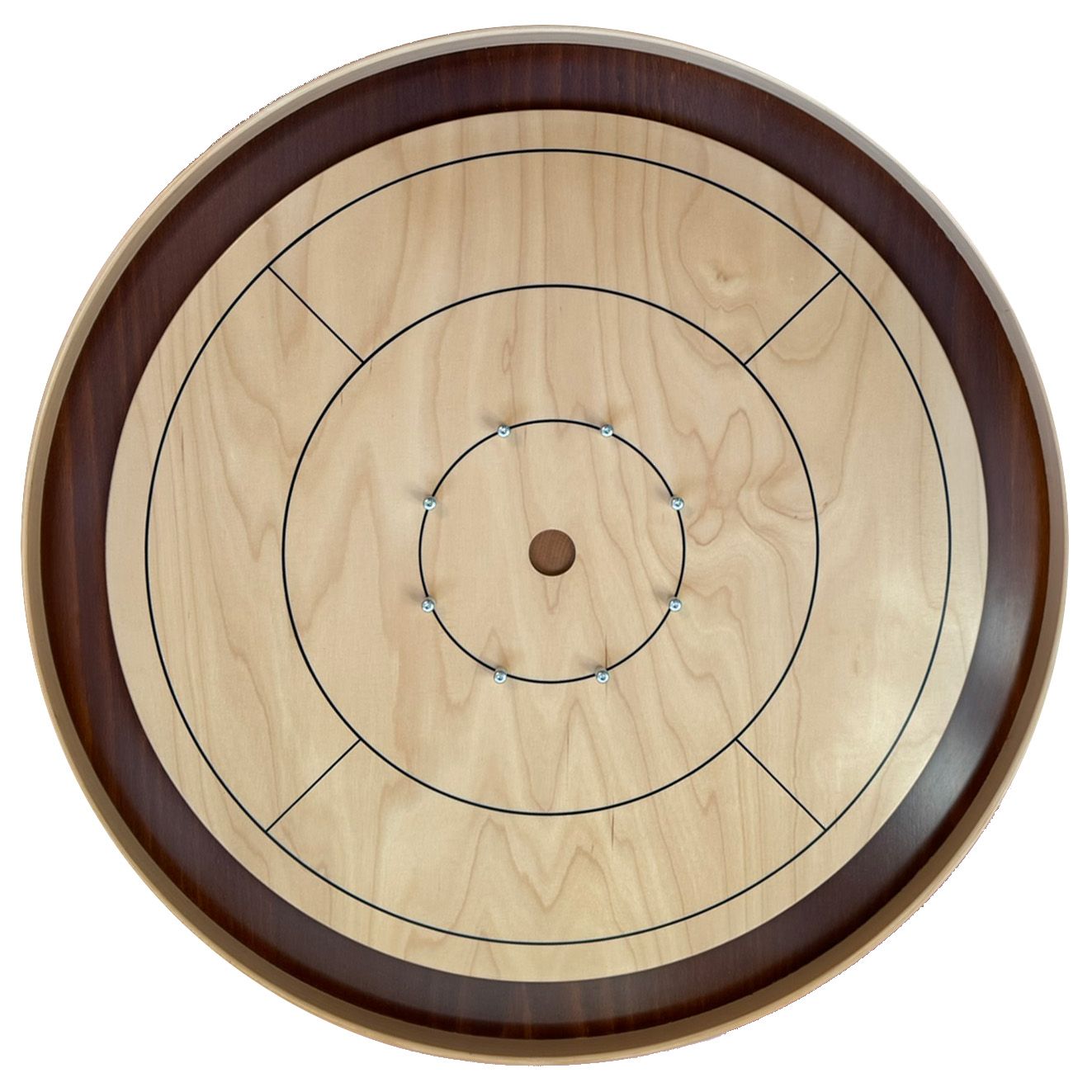
Box and component photos
Tap any photo to open fullscreen. Photos submitted by the community or publisher.
Best player count
BGG community vote
1
OK
2
BEST
3
REC
4
REC
5
OK
6
OK
7
OK
8
OK
9
OK
10
OK
11
OK
12
REC
13
REC
14
REC
15
REC
16
REC
17
REC
18
REC
19
REC
20
REC
21
REC
22
REC
23
REC
24
REC
25
REC
26
REC
27
REC
28
REC
29
REC
30
REC
31
OK
32
OK
33
OK
34
OK
35
OK
36
OK
37
OK
38
OK
39
OK
40
OK
41
OK
42
OK
43
OK
44
OK
45
OK
46
OK
47
OK
48
OK
49
OK
50
OK
51
OK
52
OK
53
OK
54
OK
55
OK
56
OK
57
OK
58
OK
59
OK
60
OK
61
OK
62
OK
63
OK
64
OK
65
OK
66
OK
67
OK
68
OK
69
OK
70
OK
71
OK
72
OK
73
OK
74
OK
75
OK
76
OK
77
OK
78
OK
79
OK
80
OK
81
OK
82
OK
83
OK
84
OK
85
OK
86
OK
87
OK
88
OK
89
OK
90
OK
91
OK
92
OK
93
OK
94
OK
95
OK
96
OK
97
OK
98
OK
99
OK
Soundtrack
Ambience suggested by Melodice
Loading playlist...
Where to Buy
Prices monitored daily
Finding best prices...
Prices unavailable at this time.
Price history — last 6 months (lowest new offer)
As an Amazon Associate I earn from qualifying purchases. Prices and availability subject to change.
Alert enabled!
Join the BoardGamesBot deals group
Get the best board game deals every day — without message spam.
Join the WhatsApp groupGame details
Mechanics, categories, families and credits
Mechanics
Categories
Families
Publisher
(Public Domain), (Unknown), Brimtoy, Cardinal, Cayro, The Games, House of Marbles, Imperial Toy, Klutz Press, Mattel, Inc., Peter Pan Playthings, Play Visions, Inc., Walmart Inc., Workman Publishing
Designer
(Uncredited)
Community
Data from BoardGameGeek
525owners
8wishlist
1want to play
Frequently Asked Questions
Quick answers before you buy
How many players can join?
From 1 up to 99 players, making it great for large groups or solo play.
What is the typical play time?
About 10 minutes per game, ideal for quick sessions.
How complex is the game?
Very low complexity (weight 1.1/5); the rules are straightforward.
What components are included?
Marbles, a drawstring bag, and sometimes storage tubes.
Who is the game best suited for?
Kids 5+, families, and anyone who enjoys dexterity challenges.
Other Games You'll Like
Based on mechanics and theme