
—
rating
Ludopedia
—
rating
BGG
Our Verdict
RECOMMENDED
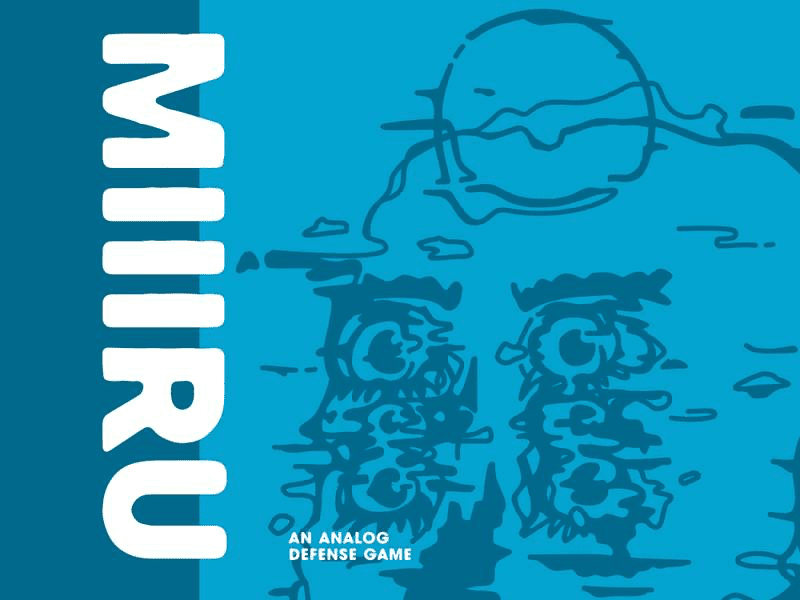
Miru 3 is the analog defense game that will make you feel like a bunker commander in a dystopian future – and it still has a treasure‑hunt vibe.
Highlights
- Strategic defense
- Unique companion abilities
- Simplified tracking
- Solo‑friendly mechanics
Keep in mind
- Smaller map may limit exploration
- Financial planning required
- Playtime can be long
Rules manual not indexed yet
Upload the PDF rulebook to ask questions about this game with AI.
About the game
What you do in a play session
Miru 3: An Analog Defense Game is the third entry in the series that turns the table into an improvised battlefield. Acting as an analog defense game, you explore still‑unknown territories, defend your village from hordes of bots, and hunt for treasures alongside companions that appear along the journey. Unlike earlier titles, the map scale shrinks, but complexity rises: each hex now represents a day of travel, and to move to the next you must spend 2 EP and ensure the previous event hasn’t ended by dusk.
The new friends are more powerful but costly – money and resources are needed to keep them nearby, so planning each one’s use is essential. Night brings an extra challenge: enemies can move into your hex while you sleep and must be eliminated before they reach the village, which has its own HP. If many attack, they can kill your companions and destroy the base.
To reduce the confusion of tracking so many enemies, the game introduces a simple marking system. This eases counting on paper, something the community has always requested. You will need a pencil, three or five six‑sided dice (5 is recommended), and the rulebook. The game is designed for those who enjoy RPG narratives, but it works well solo or in groups, though the “solo / solitary” mechanic is the strongest.
Miru 3 is ideal for those who love strategic challenges, exploration, and narrative, but it isn’t for those seeking a light or quick game. If you’ve played Miru I or II, you will better understand the nuances, but you can still start here, as the game offers clear instructions and a defense system that adapts to players of various experience levels.
The new friends are more powerful but costly – money and resources are needed to keep them nearby, so planning each one’s use is essential. Night brings an extra challenge: enemies can move into your hex while you sleep and must be eliminated before they reach the village, which has its own HP. If many attack, they can kill your companions and destroy the base.
To reduce the confusion of tracking so many enemies, the game introduces a simple marking system. This eases counting on paper, something the community has always requested. You will need a pencil, three or five six‑sided dice (5 is recommended), and the rulebook. The game is designed for those who enjoy RPG narratives, but it works well solo or in groups, though the “solo / solitary” mechanic is the strongest.
Miru 3 is ideal for those who love strategic challenges, exploration, and narrative, but it isn’t for those seeking a light or quick game. If you’ve played Miru I or II, you will better understand the nuances, but you can still start here, as the game offers clear instructions and a defense system that adapts to players of various experience levels.
Gallery
Box and component photos
Tap any photo to open fullscreen. Photos submitted by the community or publisher.
Best player count
BGG community vote
1
OK
2
OK
Soundtrack
Ambience suggested by Melodice
Loading playlist...
Where to Buy
Prices monitored daily
Finding best prices...
Prices unavailable at this time.
Price history — last 6 months (lowest new offer)
As an Amazon Associate I earn from qualifying purchases. Prices and availability subject to change.
Alert enabled!
Join the BoardGamesBot deals group
Get the best board game deals every day — without message spam.
Join the WhatsApp groupGame details
Mechanics, categories, families and credits
Categories
Publisher
Mimic Publishing
Designer
Hinokodo
Artist
Hinokodo
Community
Data from BoardGameGeek
13owners
Frequently Asked Questions
Quick answers before you buy
How long does a game last?
A typical Miru 3 session can take from 60 to 120 minutes, depending on the number of enemies and companions you choose to use.
How many players are recommended?
The game is designed for a single player, but it can be played in groups with simple cooperative rules.
What is the complexity level?
Miru 3 has a moderate learning curve: exploration, combat, and resource management rules require attention, but they are well explained in the rulebook.
What components are needed?
You will need a pencil, three or five six‑sided dice, the rulebook, and paper for notes. There are no plastic pieces or tokens.
Who is this game for?
Ideal for RPG, strategy, and defense game fans who enjoy narrative and tactical planning.
Do I need to play Miru I or II?
While not mandatory, playing the earlier titles helps you better understand the exploration and combat mechanics.
How does the enemy tracking system work?
The game uses simple paper marks to indicate the presence and number of enemies, easing control during the night.
Other Games You'll Like
Based on mechanics and theme





Related News & Articles
Releases and articles covering this game
/pic9681367.png)
