100.0
rating
Ludopedia
6.1
rating
BGG
Our Verdict
RECOMMENDED
A fast and strategic card game about Olympic glory.
Highlights
- Excellent risk and reward dynamic
- Very fast gameplay pace
- Well-applied historical theme
- Easy to learn, hard to master
Keep in mind
- Relies on good card quality
- Strategy can be quite direct
Rules manual not indexed yet
Upload the PDF rulebook to ask questions about this game with AI.
About the game
What you do in a play session
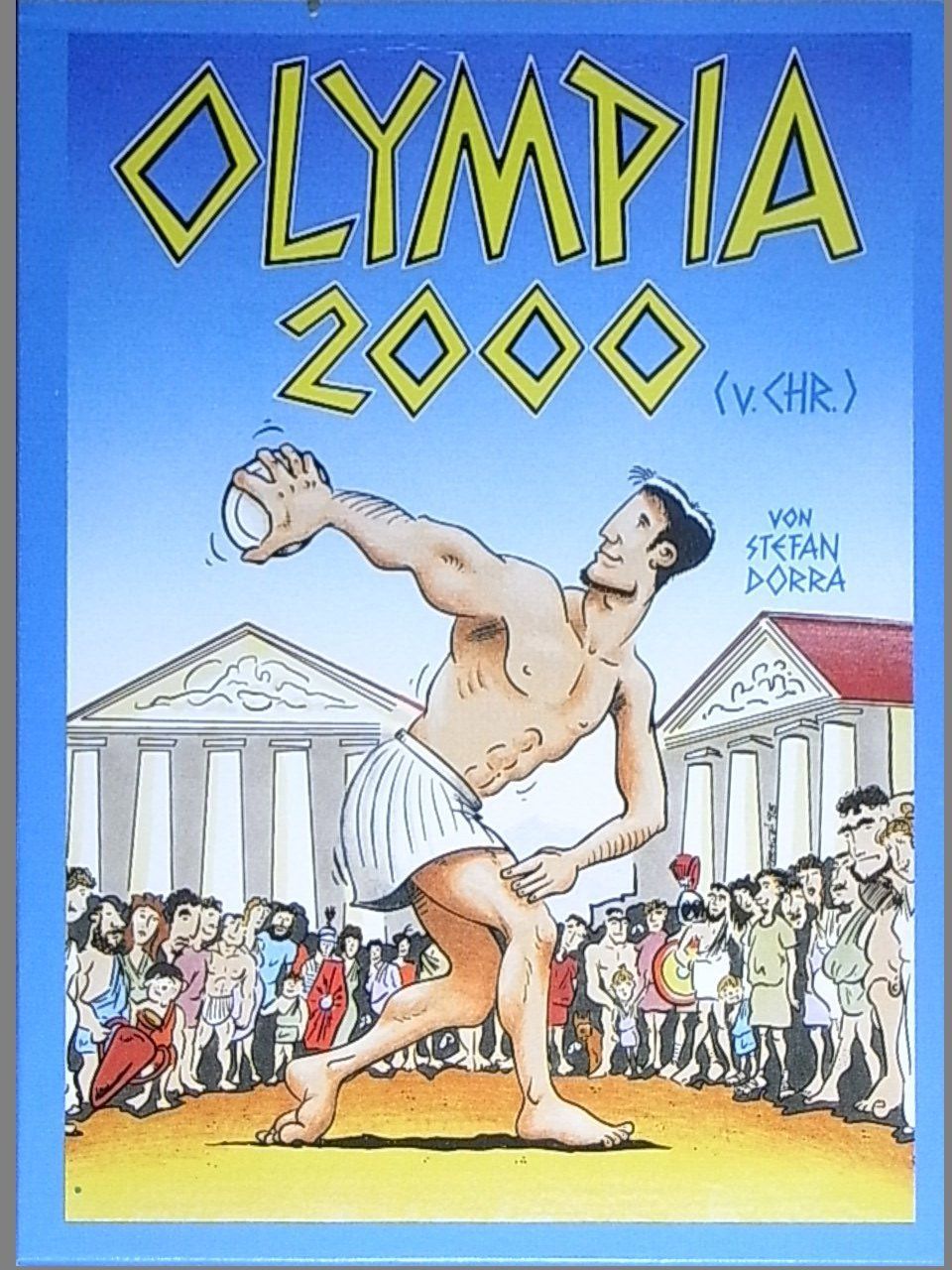
If you enjoy intense competition but want something that flows quickly at the table, Olympia 2000 (B.C.) is your game. It is a very close relative to classics like Hols der Geier and Raj, which already promises a solid and addictive gameplay structure. The idea here is simple and elegant: you are in charge of athletes striving to shine in the Ancient Olympic Games. But don't think it's just about picking the strongest and winning; it's not that simple! The game puts you in a constant dilemma of resource management and short-term strategy.
The heart of the game lies in the athlete cards. Each one is a package of skills: one athlete might be a god at the long jump but a total disaster in archery. Others are so inept they'll make you laugh (or cry) when they compete. The real 'trick' is in the win-loss dynamic. If you play your best card and win the event, you take the prize for the current round, easy enough, right? But, if you mess up and your athlete is the worst of the round, get ready: you'll be the one choosing what the next Olympic event will be. This creates a very interesting risk-reward balance, where being the best at everything isn't always the safest strategy.
Since everyone plays simultaneously, the pace is frantic and you won't deal with the boredom of waiting for others to think for ten minutes. It's a fast-paced card game, perfect for those who want a themed sports competition without needing a 50-page manual. It's guaranteed fun for those who love card games with a touch of strategy and plenty of indirect interaction between competitors.
The heart of the game lies in the athlete cards. Each one is a package of skills: one athlete might be a god at the long jump but a total disaster in archery. Others are so inept they'll make you laugh (or cry) when they compete. The real 'trick' is in the win-loss dynamic. If you play your best card and win the event, you take the prize for the current round, easy enough, right? But, if you mess up and your athlete is the worst of the round, get ready: you'll be the one choosing what the next Olympic event will be. This creates a very interesting risk-reward balance, where being the best at everything isn't always the safest strategy.
Since everyone plays simultaneously, the pace is frantic and you won't deal with the boredom of waiting for others to think for ten minutes. It's a fast-paced card game, perfect for those who want a themed sports competition without needing a 50-page manual. It's guaranteed fun for those who love card games with a touch of strategy and plenty of indirect interaction between competitors.
Gallery
Box and component photos
Tap any photo to open fullscreen. Photos submitted by the community or publisher.
Best player count
BGG community vote
2
REC
3
REC
4
BEST
5
BEST
Soundtrack
Ambience suggested by Melodice
Loading playlist...
Where to Buy
Prices monitored daily
Finding best prices...
Prices unavailable at this time.
Price history — last 6 months (lowest new offer)
Alert enabled!
Join the BoardGamesBot deals group
Get the best board game deals every day — without message spam.
Join the WhatsApp groupGame details
Mechanics, categories, families and credits
Mechanics
Categories
Families
Publisher
Hans im Glück
Designer
Stefan Dorra
Artist
Franz Vohwinkel
Community
Data from BoardGameGeek
487owners
35wishlist
21want to play
Frequently Asked Questions
Quick answers before you buy
How long does a game take?
It's very quick, about 30 minutes per game!
How many players is it ideal for?
It works great with 2 to 5 players.
Is it a complex game?
Not at all! It's a direct and dynamic card game, easy to learn.
What makes the game strategic?
The fact that the loser chooses the next event changes your entire strategy.
Does the game have many components?
It's a card-focused game, so it's very compact and practical.
Other Games You'll Like
Based on mechanics and theme