
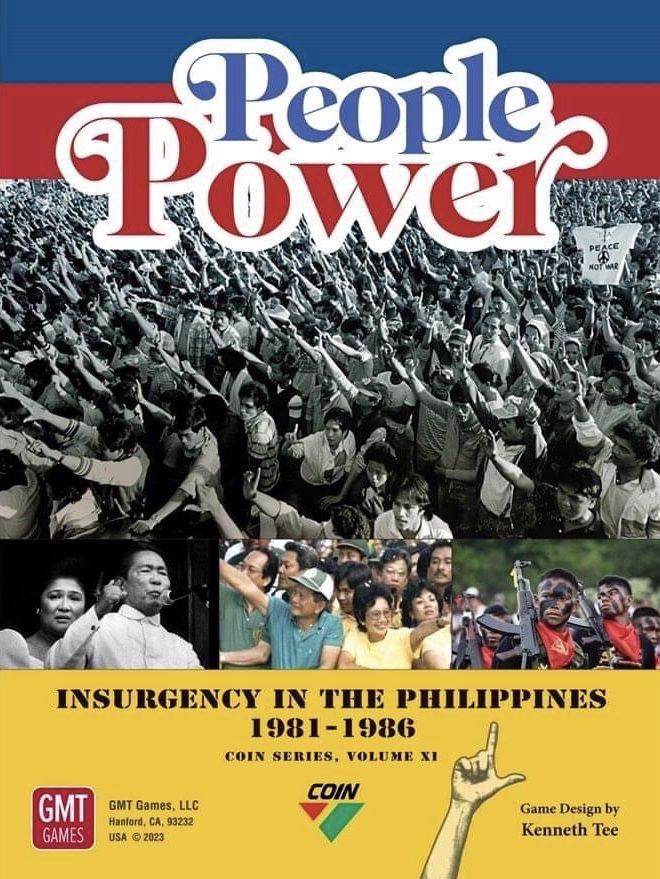
People Power: Insurgency in the Philippines, 1981-1986
GMT Games · Board game · 2023
1–3 · best 3
Solo
90–180 min
Weight 3.3/5
Buy · from US$ 52.47
100.0
rating
Ludopedia
7.7
rating
BGG
Our Verdict
RECOMMENDED
The perfect way to dive into the COIN series without the usual headache; strategic, fast-paced, and historically powerful.
Highlights
- Perfect entry point for COIN
- Excellent faction asymmetry
- Simplified map speeds up play
- Innovative Key Personalities mechanic
Keep in mind
- High language dependence
- Learning curve is still present
Rules manual not indexed yet
Upload the PDF rulebook to ask questions about this game with AI.
About the game
What you do in a play session
If you're into history and heavy strategy but aren't looking for a manual that takes five hours to read, People Power is the perfect entry point into the acclaimed COIN series. The game transports us to the Philippines between 1981 and 1986, a period of immense tension where the will of the people collided with the iron fist of an autocratic regime. Here, the struggle isn't just about territory, but about influence and legitimacy.
The game is fascinating due to its asymmetry. You can take the role of the Government, struggling to maintain control under the leadership of Ferdinand and Imelda Marcos; the Insurgents (NPA), seeking to overthrow the regime through urban and rural popular uprisings; or the Reformers, led by Corazon Aquino, who play the game of diplomacy and social justice to change the country without firing a shot. Each faction has completely different objectives and win conditions, making every match a unique strategic puzzle.
To help newcomers, the map is streamlined, dividing the scenario into only Cities and Countrysides. This speeds up gameplay and reduces cognitive load, but don't be fooled: the depth is still there. The game introduces the 'Key Personalities' mechanic, where generals and political power brokers provide bonuses and nuances that can flip the game in a single turn. Expect plenty of betrayal, tense negotiations, and the feeling that the board is always on the brink of explosion. It's a visceral political simulator that demonstrates how the unity of determined people can bring down even the most powerful tyrants, all within a gameplay loop that is much more dynamic than the average traditional wargame.
The game is fascinating due to its asymmetry. You can take the role of the Government, struggling to maintain control under the leadership of Ferdinand and Imelda Marcos; the Insurgents (NPA), seeking to overthrow the regime through urban and rural popular uprisings; or the Reformers, led by Corazon Aquino, who play the game of diplomacy and social justice to change the country without firing a shot. Each faction has completely different objectives and win conditions, making every match a unique strategic puzzle.
To help newcomers, the map is streamlined, dividing the scenario into only Cities and Countrysides. This speeds up gameplay and reduces cognitive load, but don't be fooled: the depth is still there. The game introduces the 'Key Personalities' mechanic, where generals and political power brokers provide bonuses and nuances that can flip the game in a single turn. Expect plenty of betrayal, tense negotiations, and the feeling that the board is always on the brink of explosion. It's a visceral political simulator that demonstrates how the unity of determined people can bring down even the most powerful tyrants, all within a gameplay loop that is much more dynamic than the average traditional wargame.
Gallery
Box and component photos
Tap any photo to open fullscreen. Photos submitted by the community or publisher.
Rules videos
Learn by watching before you open the box
In English

Best player count
BGG community vote
1
BEST
2
OK
3
BEST
Soundtrack
Ambience suggested by Melodice
Loading playlist...
Where to Buy
Prices monitored daily
Finding best prices...
Prices unavailable at this time.
Price history — last 6 months (lowest new offer)
As an Amazon Associate I earn from qualifying purchases. Prices and availability subject to change.
Alert enabled!
Join the BoardGamesBot deals group
Get the best board game deals every day — without message spam.
Join the WhatsApp groupGame details
Mechanics, categories, families and credits
Mechanics
Categories
Families
Publisher
GMT Games
Designer
Kenneth Tee
Artist
Donal Hegarty
Community
Data from BoardGameGeek
1,331owners
310wishlist
83want to play
Frequently Asked Questions
Quick answers before you buy
Is it too hard for someone who has never played wargames?
It's considered one of the simplest in the COIN series, but it's still an 'expert' game. If you enjoy strategy, you can learn it, but be ready to study the rules.
How long does a game take?
Usually between 90 and 180 minutes, which is quite fast for political simulation standards.
Can I play it solo?
Yes! The game has solid solo rules, allowing you to test strategies or play against the system.
Is there a lot of text on the components?
Yes, there is high language dependence. If you aren't fluent in English, you'll need a translation for cards and manuals.
What is the difference between the factions?
Complete. The Government plays defensively and for control; the NPA plays guerrilla warfare and revolt; and the Reformers play influence and peace.
Is the game overly complex?
It has a medium-high weight (3.34 on BGG). It's not a casual game, but it's much more accessible than other wargames.
Other Games You'll Like
Based on mechanics and theme
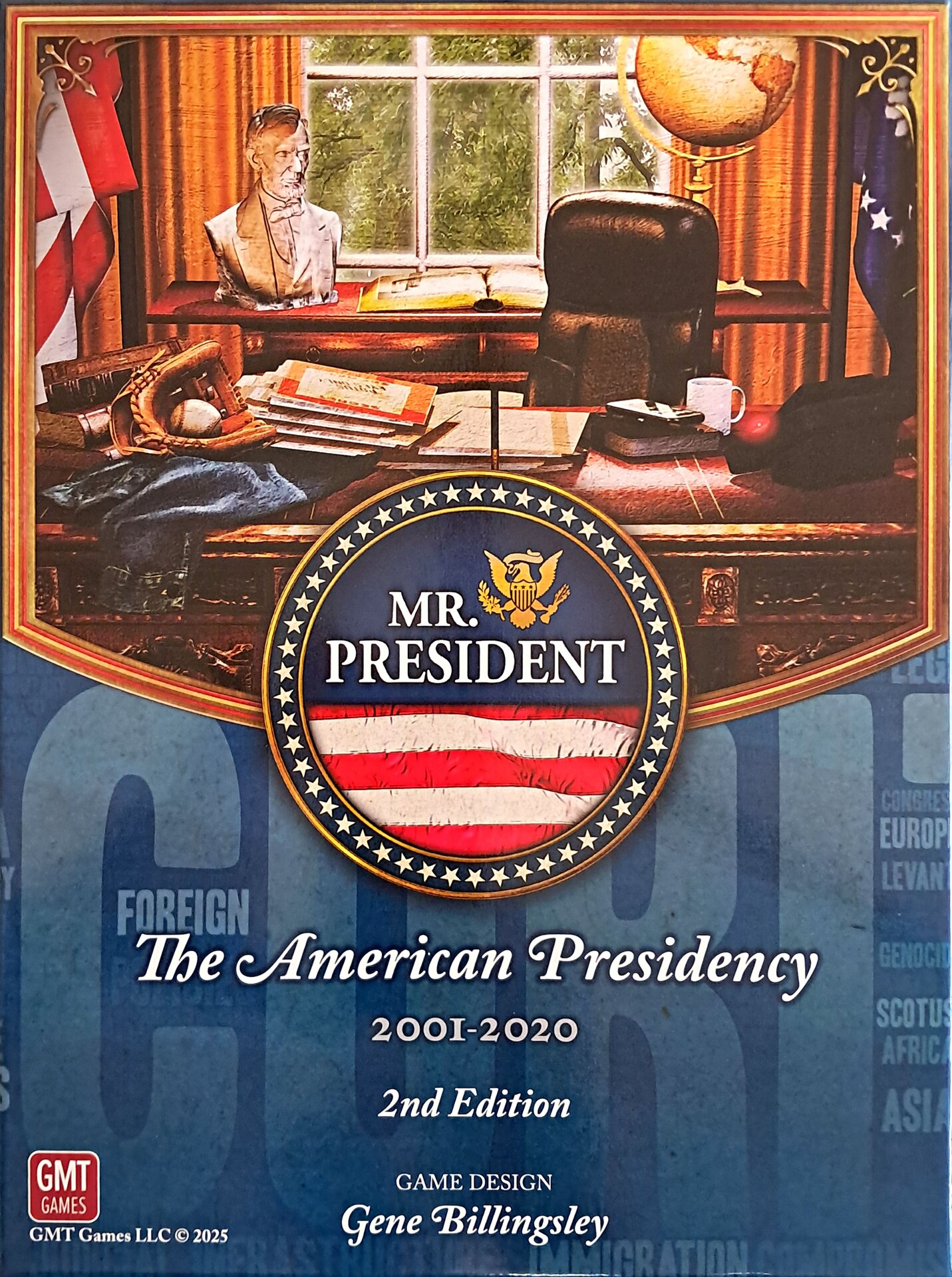 Mr. President: The American Presidency, 2001-2020 – 2nd Edition
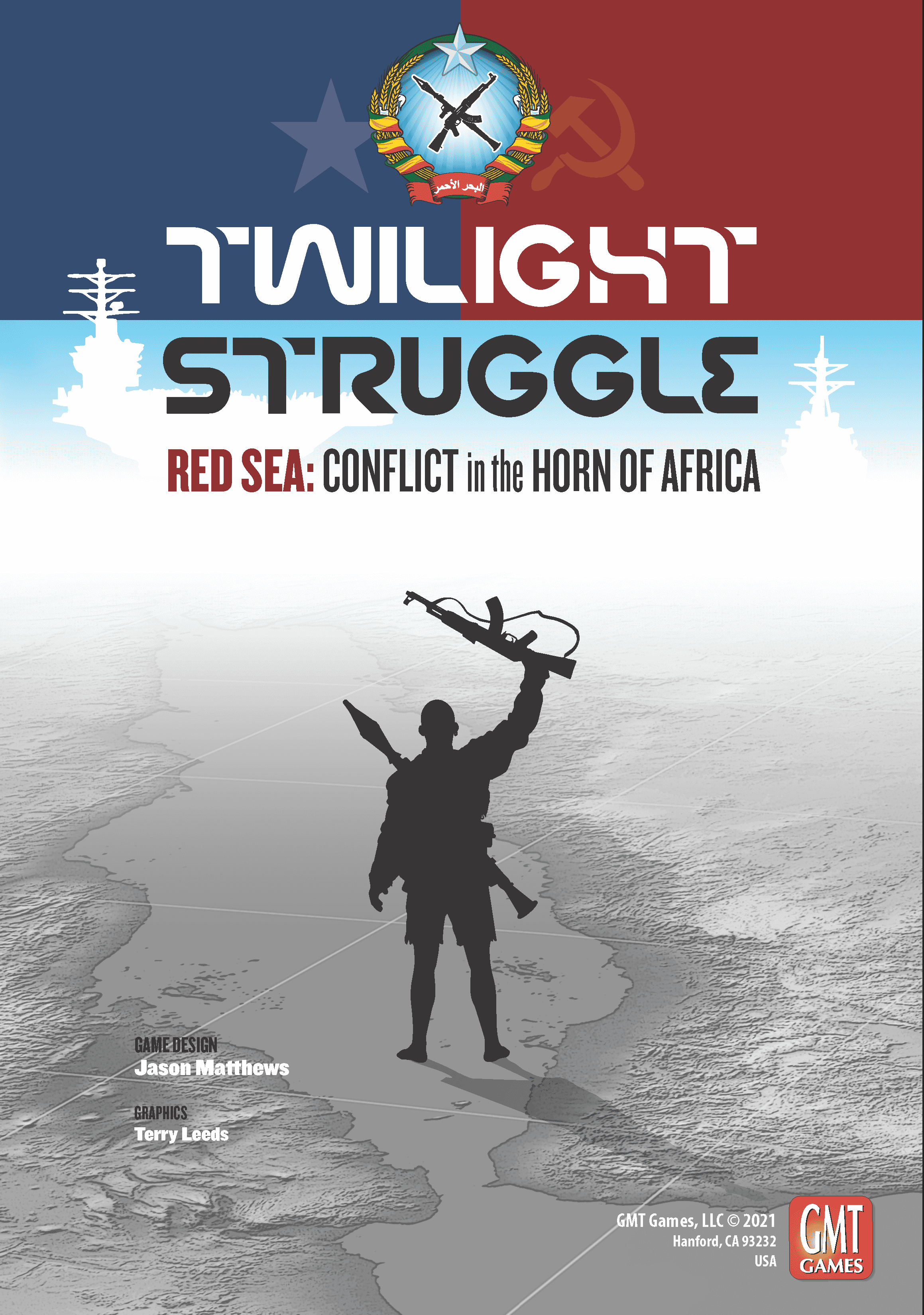 Twilight Struggle: Red Sea – Conflict in the Horn of Africa
 Mr. President: The American Presidency, 2001-2020
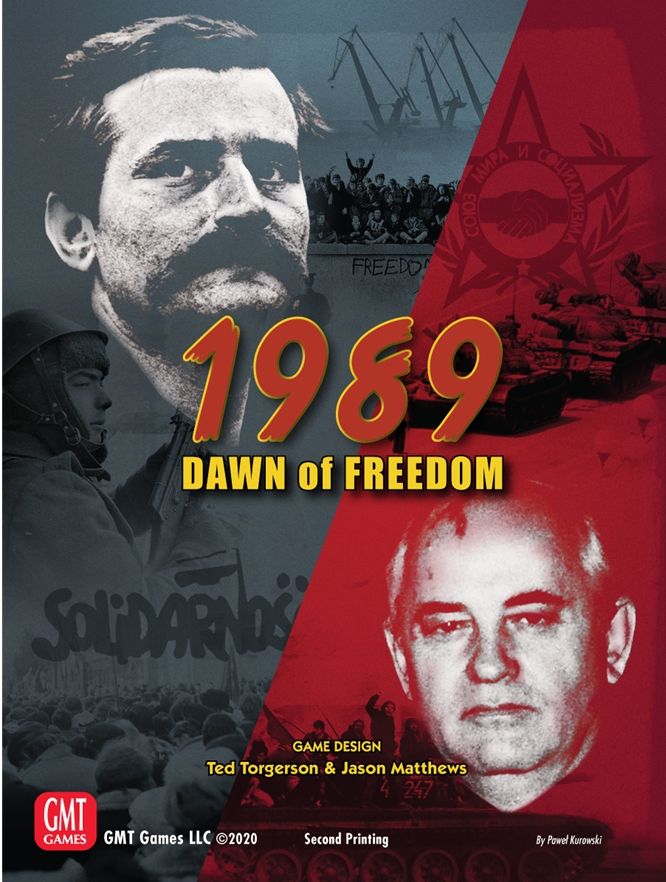 1989: Dawn of Freedom
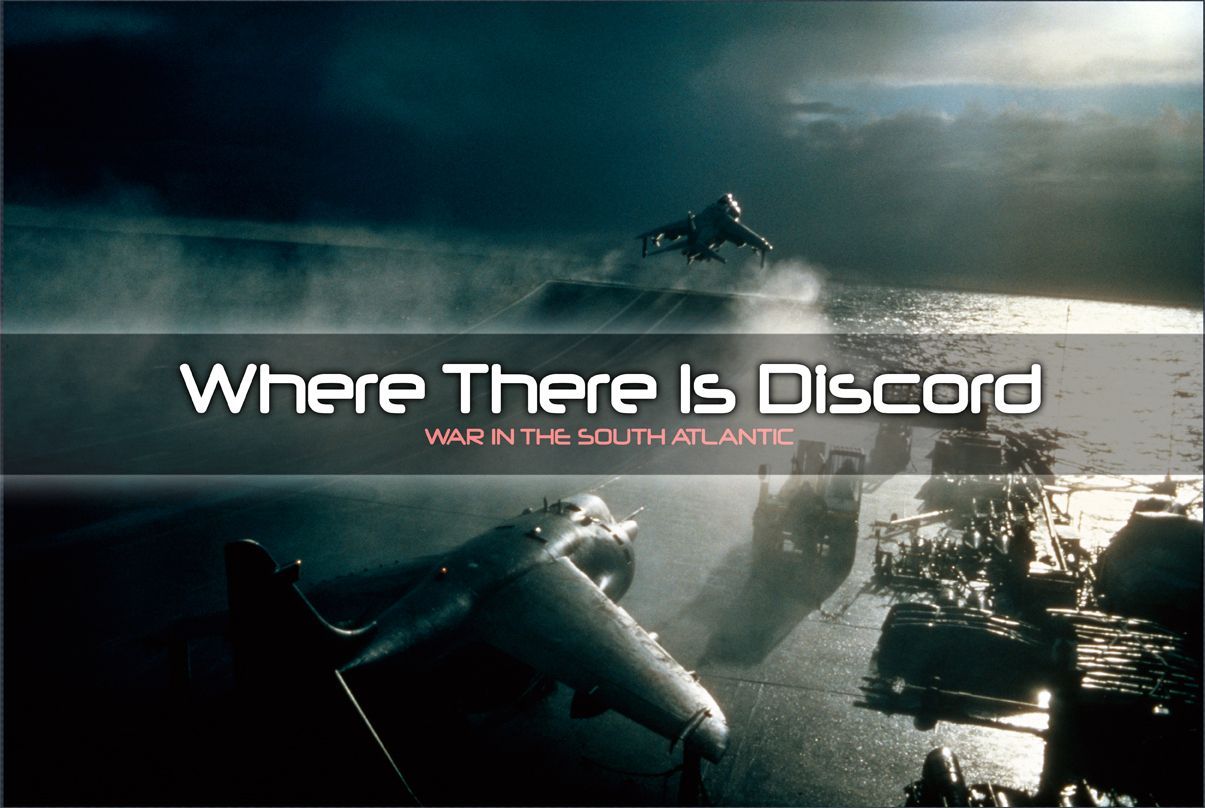 Where There Is Discord: War in the South Atlantic
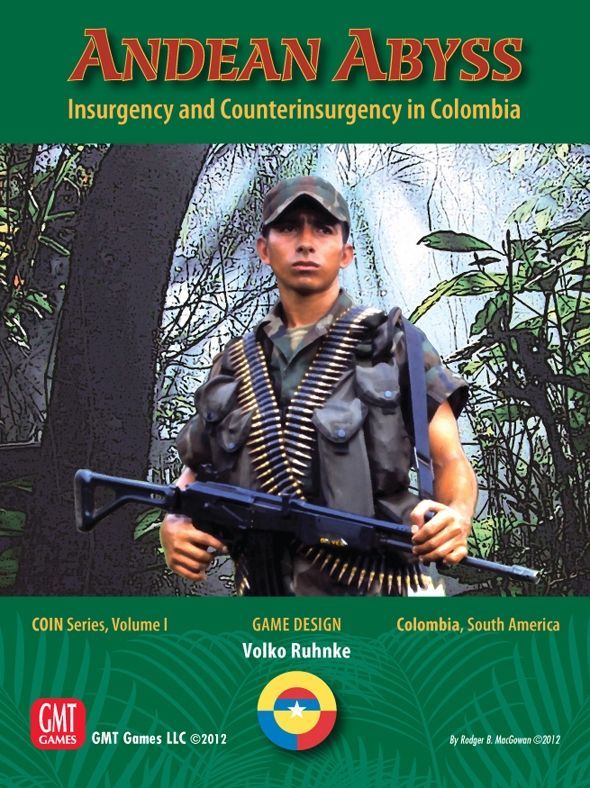 Andean Abyss
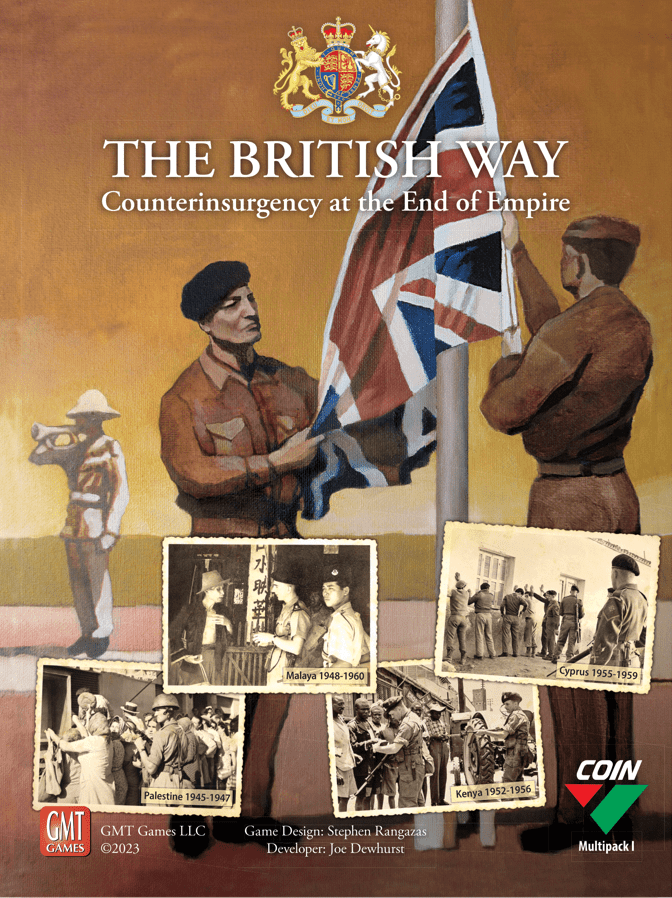 The British Way: Counterinsurgency at the End of Empire
 Cuba Libre
