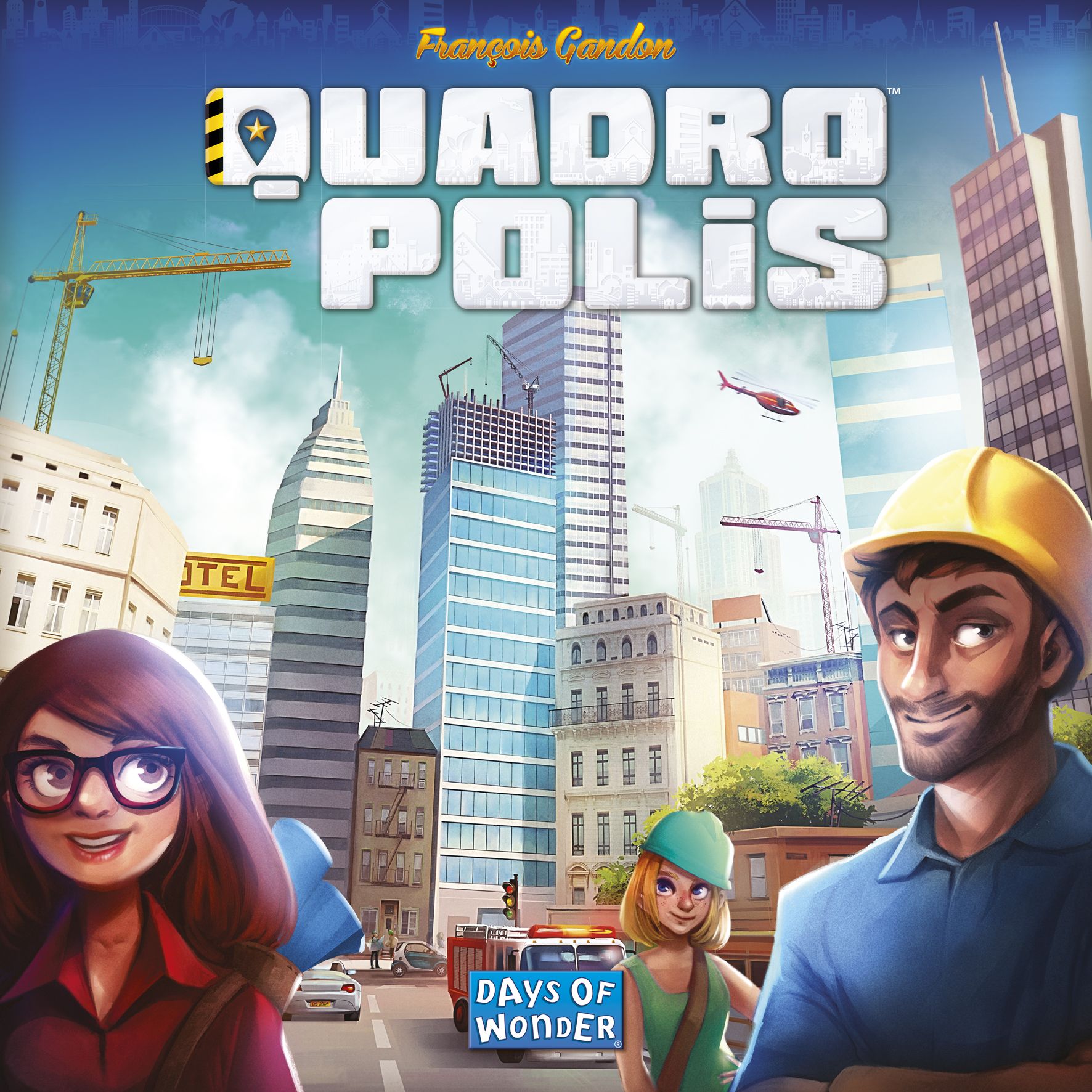
Quadropolis
Days of Wonder, ADC Blackfire Entertainment, Asterion Press · Board game · 2016What do you want to do now
Ask anything about Quadropolis: rules, setup, components, complexity, price, or whether it fits your group.
If you enjoy a spatial puzzle with a dash of competition, Quadropolis is a fantastic choice! The tile selection mechanism is brilliant and keeps you thinking every turn.
- Clever tile drafting
- Constant strategic planning
- Engaging city building
- Interesting blocking mechanic
- High replayability
- Can feel a bit abstract
- Initial learning curve
- Indirect interaction
About the game
What you do in a play session
This chosen tile goes into your own city, a personal 4x4 board, in the row or column that matches the number of the architect used. When you take a tile, you also collect resources like inhabitants or energy, essential for activating your buildings at the end of the game. With each choice, the strategy becomes tighter, as the space from which you took the tile becomes blocked for the next player in that row or column, and you cannot use the same architect twice in the same round. After all architects have been used, the round ends, and new tiles are laid out. At the end of four rounds, it's time to tally points! Scoring depends on how you organized your city and activated your buildings with the correct resources. Residential buildings score by height, shops by customers, public services by distribution, parks by adjacency, harbors by longest rows, and factories by adjacent buildings. Whoever has the highest score earns the title of best urban planner!
Expansions
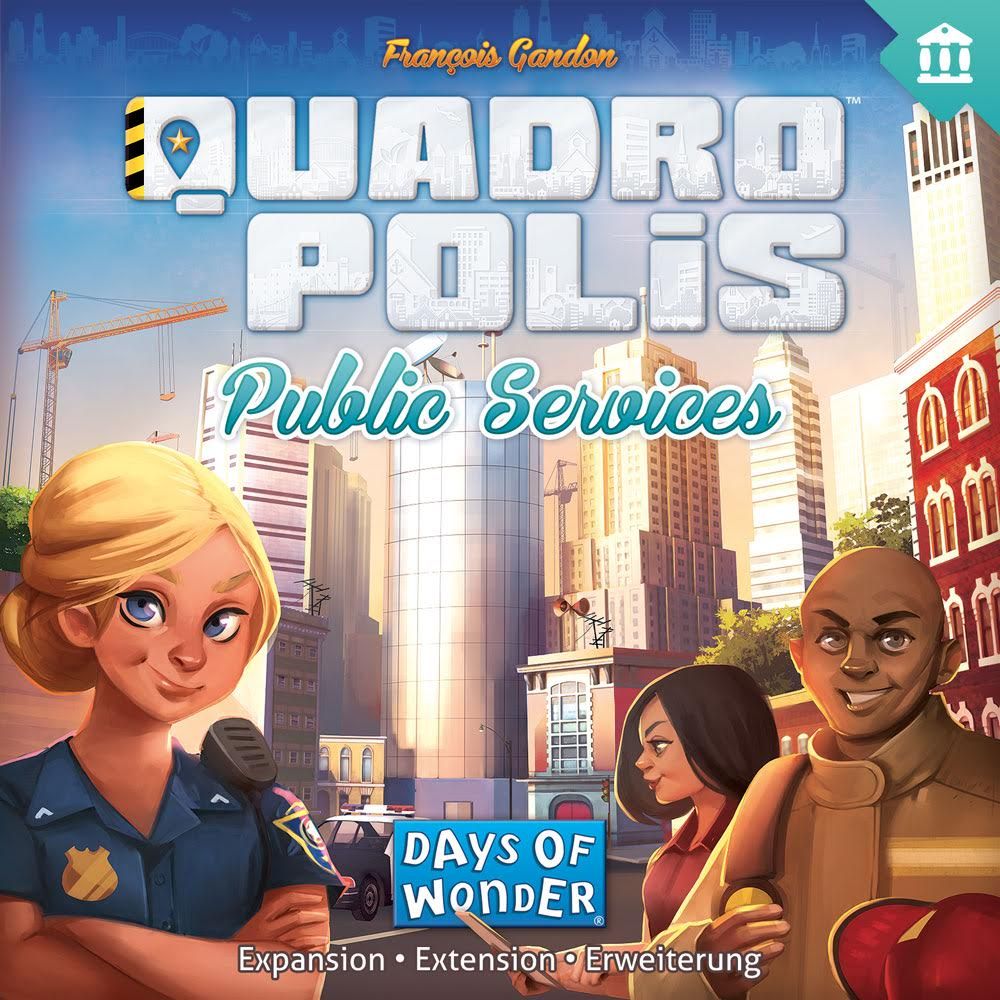
Published additional content

Gallery
Box and component photos
Tap any photo to open fullscreen. Photos submitted by the community or publisher.
Rules videos
Learn by watching before you open the box


Rules manual
Official PDF file
Best player count
BGG community vote
Soundtrack
Ambience suggested by Melodice
Where to Buy
Prices monitored daily
Price history — last 6 months (lowest new offer)
As an Amazon Associate I earn from qualifying purchases. Prices and availability subject to change.
Alert enabled!
Join the BoardGamesBot deals group
Get the best board game deals every day — without message spam.
Join the WhatsApp groupGame details
Mechanics, categories, families and credits
Mechanics
Categories
Families
Community
Data from BoardGameGeek
Frequently Asked Questions
Quick answers before you buy
What is the complexity of Quadropolis?
How many players can play a game?
What is the average game time?
Who is Quadropolis recommended for?
Are the components of good quality?
Is there any language dependency in the game?
What makes the tile drafting so interesting?
Other Games You'll Like
Based on mechanics and theme