
8.0
rating
Ludopedia
7.8
rating
BGG
Our Verdict
RECOMMENDED
A strategic and compact upgrade for those who already rule the streets of Quadropolis.
Highlights
- Adds new tactical choices
- Immediate inhabitant dynamics
- Easy to integrate into gameplay
Keep in mind
- Does not absorb pollution
- Limited number of new tiles
Rules manual not indexed yet
Upload the PDF rulebook to ask questions about this game with AI.
About the game
What you do in a play session
If you're already an experienced urban planner in Quadropolis and feel your city needs a bit more life (and maybe a little less pollution?), the Playgrounds expansion is exactly the spice your table needs! Don't let the compact size of this mini-expansion fool you; it introduces a very interesting decision-making dynamic to your urban planning.
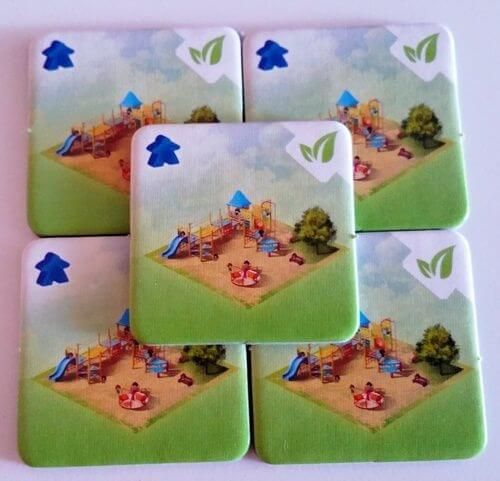
What actually changes? You get 5 new Park tiles called 'Playgrounds'. They function almost exactly like the traditional parks from the base game—meaning they occupy space and count toward your urban layout—but with a strategic twist. Instead of being just passive green areas that help clean up city pollution at the end of the game, these playgrounds come 'pre-populated'. Each one comes with 1 integrated Inhabitant, which can be a valuable boost for your density scores or neighborhood requirements.
On the flip side, there is an opportunity cost involved: since they are focused on immediate fun and leisure, they do not have the ability to absorb pollution at the end of the game. This means that by choosing a Playground, you are trading environmental cleanliness for a direct gain in inhabitants. It's that classic dilemma every mayor faces: invest in immediate well-being infrastructure or focus on long-term sustainability to avoid problems later?
It is a small addition, but it shifts the game's balance, forcing players to think twice before simply filling the map with standard parks. If you are looking for an extra layer of tactical decision-making without having to learn a 50-page manual, Playgrounds is the way to go. It's guaranteed fun for anyone looking to upgrade their metropolis!
What actually changes? You get 5 new Park tiles called 'Playgrounds'. They function almost exactly like the traditional parks from the base game—meaning they occupy space and count toward your urban layout—but with a strategic twist. Instead of being just passive green areas that help clean up city pollution at the end of the game, these playgrounds come 'pre-populated'. Each one comes with 1 integrated Inhabitant, which can be a valuable boost for your density scores or neighborhood requirements.
On the flip side, there is an opportunity cost involved: since they are focused on immediate fun and leisure, they do not have the ability to absorb pollution at the end of the game. This means that by choosing a Playground, you are trading environmental cleanliness for a direct gain in inhabitants. It's that classic dilemma every mayor faces: invest in immediate well-being infrastructure or focus on long-term sustainability to avoid problems later?
It is a small addition, but it shifts the game's balance, forcing players to think twice before simply filling the map with standard parks. If you are looking for an extra layer of tactical decision-making without having to learn a 50-page manual, Playgrounds is the way to go. It's guaranteed fun for anyone looking to upgrade their metropolis!
Expansion for
Published additional content

Gallery
Box and component photos
Tap any photo to open fullscreen. Photos submitted by the community or publisher.
Best player count
BGG community vote
2
OK
3
OK
4
OK
Soundtrack
Ambience suggested by Melodice
Loading playlist...
Where to Buy
Prices monitored daily
Finding best prices...
Prices unavailable at this time.
Price history — last 6 months (lowest new offer)
As an Amazon Associate I earn from qualifying purchases. Prices and availability subject to change.
Alert enabled!
Join the BoardGamesBot deals group
Get the best board game deals every day — without message spam.
Join the WhatsApp groupGame details
Mechanics, categories, families and credits
Mechanics
Categories
Families
Publisher
Days of Wonder
Designer
Cyrille Daujean, Sabrina Miramon
Community
Data from BoardGameGeek
248owners
12wishlist
11want to play
Frequently Asked Questions
Quick answers before you buy
Do I need the base game to use this expansion?
Absolutely! It is a mini-expansion designed specifically to complement the original Quadropolis game.
How much longer does a game take with these new tiles?
The playtime remains practically the same, between 30 to 60 minutes, as the change only affects tile selection.
Are Playgrounds better than regular parks?
It depends on your strategy! They provide immediate inhabitants but don't help reduce pollution at the end of the game.
How many players can use it?
The expansion works perfectly for the 2-4 player range of the base game.
Is it hard to learn?
Not at all! If you already know how to play Quadropolis, it will take you only a second to understand the difference.
