
Sekigahara: The Unification of Japan
GMT Games, Devir, GaGa Games · Board game · 2011
2 · best 2
180 min
Weight 2.8/5
8.9
rating
Ludopedia
8.0
rating
BGG
8.9
rating
Ludopedia
8.0
rating
BGG
Our Verdict
Perfect for those wanting to dive into wargaming without suffering through endless rulebooks; the bluffing tension is the highlight.
Highlights
- Constant and gripping psychological tension
- Lean and intuitive ruleset
- Great Japanese-themed components
- High replayability via variable setup
Keep in mind
- Strictly for two players
- Length can be taxing for some
RECOMMENDED
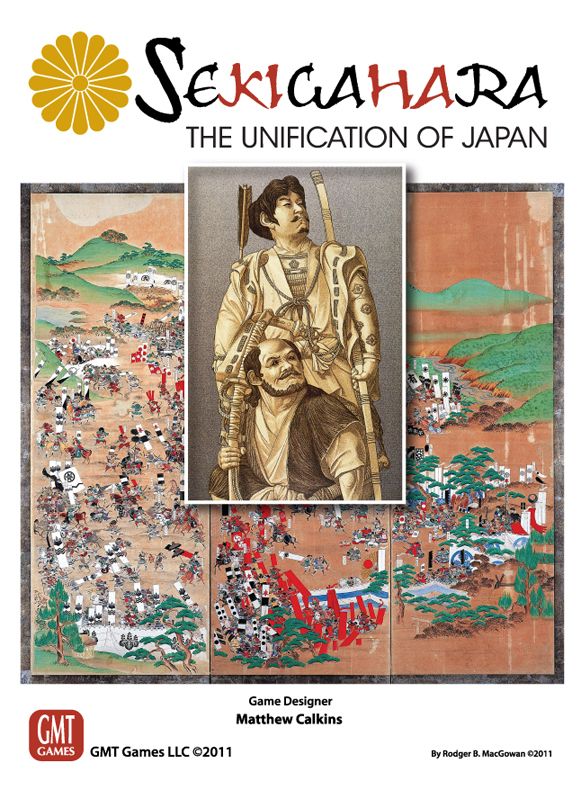
Prepare yourself to command the forces of feudal Japan in Sekigahara, a strategic duel where loyalty is as unstable as the weather. You take on the role of Ishida Mitsunari or Tokugawa Ieyasu in a frantic seven-week campaign that decided the nation's fate for over two centuries. The goal? Unify Japan, but to achieve that, you'll need more than just numbers; you'll need influence.
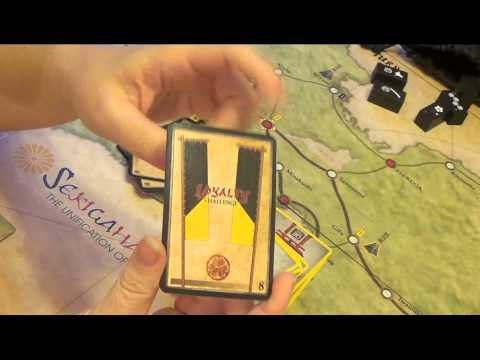
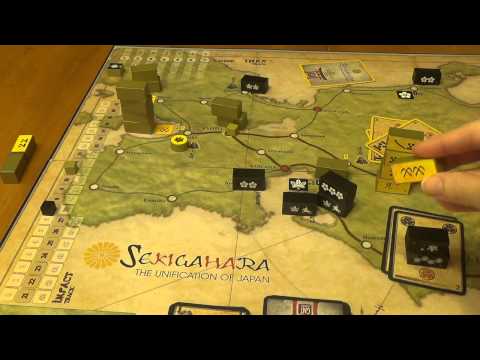
The game shines by replacing the luck of the dice with pure psychological tension. Here, wooden blocks represent your armies, but cards represent motivation. If you don't have the matching card, your army simply refuses to fight. 'Legitimacy' — represented by your hand size — fluctuates as you capture castles, creating a cycle where military success generates more political power, which in turn allows you to control more troops.
Bluffing is the soul of the game. With variable setup, every match begins with a fresh scenario, and hidden information (who is in which block and which cards you hold) turns the map into a mental minefield. You'll have to balance defending your castles with the need to attack economic centers, all while hoping your allies don't switch sides in the middle of the battle. It is an elegant wargame that manages to deliver historical depth and tactical tension in a three-hour session, without the need for hundred-page manuals. If you enjoy games where reading your opponent is as important as moving your pieces, Sekigahara is the place for you.
The game shines by replacing the luck of the dice with pure psychological tension. Here, wooden blocks represent your armies, but cards represent motivation. If you don't have the matching card, your army simply refuses to fight. 'Legitimacy' — represented by your hand size — fluctuates as you capture castles, creating a cycle where military success generates more political power, which in turn allows you to control more troops.
Bluffing is the soul of the game. With variable setup, every match begins with a fresh scenario, and hidden information (who is in which block and which cards you hold) turns the map into a mental minefield. You'll have to balance defending your castles with the need to attack economic centers, all while hoping your allies don't switch sides in the middle of the battle. It is an elegant wargame that manages to deliver historical depth and tactical tension in a three-hour session, without the need for hundred-page manuals. If you enjoy games where reading your opponent is as important as moving your pieces, Sekigahara is the place for you.
GALLERY
11 photos · from the community
Tap any photo to open fullscreen. Photos submitted by the community or publisher.
In English
-
 Sekigahara - How To Play
-
 Sekigahara Play Through Part 1/5
-
 Sekigahara Play Through Part 2/5
-
 Sekigahara: The Unification of Japan
-
 Sekigahara Play Through Part 5/5
-
 Sekigahara Play Through Part 4/5
-
 Sekigahara Play Through Part 3/5
-
 Sekigahara Unification of Japan GMT Demo Part 1
-
 SEKIGAHARA Strategy Guide / SEKIGAHARA: The Unification of Japan Board Game
-
 Sekigahara Unification of Japan GMT Demo Part 2
-
 Seki - intro
-
 Sekigahara: Combat Rules
2
BEST
Loading playlist...
Finding best prices...
Prices unavailable at this time.
Price history — last 6 months (lowest new offer)
Mechanics
Categories
Families
Publisher
GMT Games, Devir, GaGa Games, Korea Boardgames
Designer
Matt Calkins
Artist
Mark Mahaffey, Rodger B. MacGowan
Is the game too complex for someone who doesn't like wargames?
Not at all! Despite being a wargame, the rules are surprisingly short (only 6 pages) and the mechanics are intuitive, making it a great entry point for the genre.
Can it be played with more than two people?
No, Sekigahara was specifically designed as a duel for exactly two players.
Is there a lot of luck involved?
Almost none. There are no dice. Uncertainty comes from hidden information and opponent choices, making the game more about strategy and bluffing than luck.
How long does a game take?
On average 3 hours, though this may vary depending on the players' experience.
What are the wooden blocks for?
They represent the armies. The advantage is that they hide the unit's identity, so your opponent doesn't know who is attacking until the battle is resolved.

