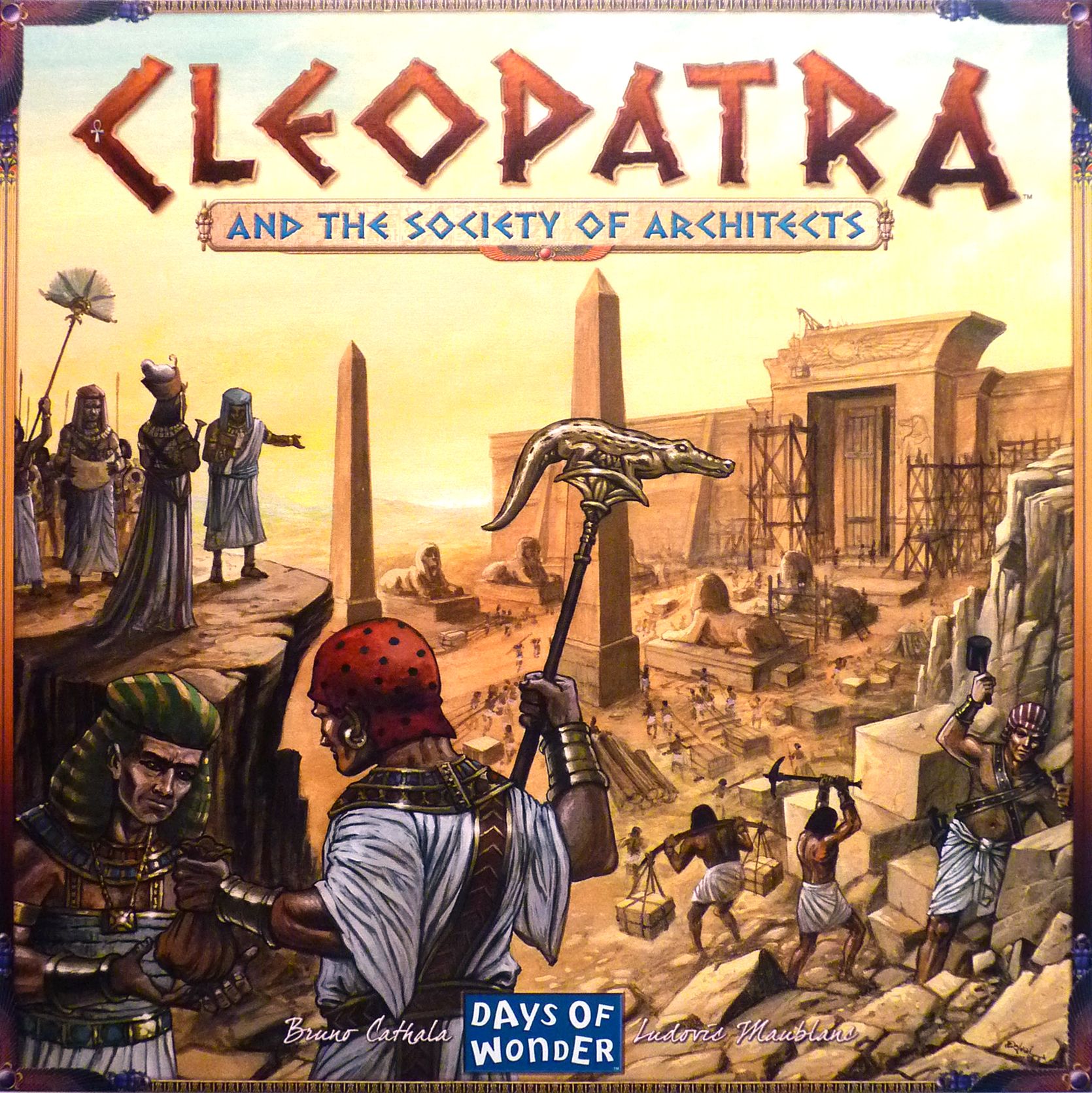
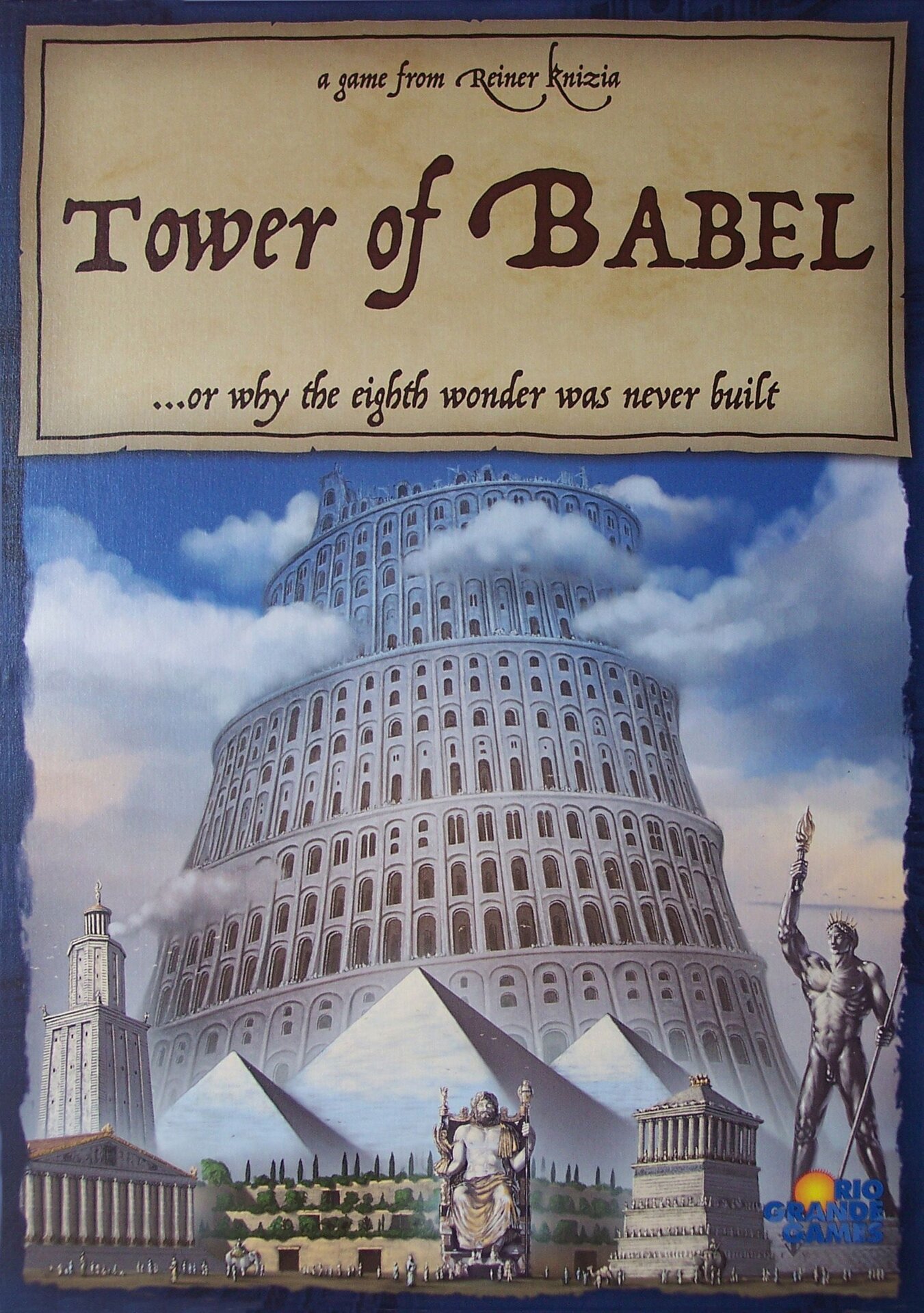
If you are looking for a classic with incredible tactile components and a forgiving-free auction mechanic, this game is for you. The experience is a constant balance between planning your pyramid and trying to guess what your opponents will bid on. It shines through its strategic simplicity and the retro charm of its triangular box. A solid experience that is still a lot of fun on any table.
thumb_up
Highlights
check_circle
High-quality tactile components
check_circle
Tense and strategic auctions
check_circle
Satisfying construction mechanics
check_circle
Iconic and nostalgic design
warning_amber
Keep in mind
report_problem
Relies heavily on player interaction
report_problem
Losing auctions can be frustrating
report_problem
Limited market availability
upload_file
Rules manual not indexed yetUpload the PDF rulebook to ask questions about this game with AI.
info
About the game
What you do in a play session
Tal der Könige is one of those 90s gems that catches your eye immediately, not just because of its iconic triangular box, but because of the quality of its components. We are talking about a game where the visuals aren't just for show; the large, colorful blocks used to build your pyramids provide a tactile satisfaction that many modern games lose along the way. The core objective is to be the most efficient architect, creating pyramids with as few colors as possible to maximize your score. However, as you might imagine, life isn't easy in Ancient Egypt. The big challenge here is the auction system: you must compete for the necessary blocks against your opponents, and managing these resources is what separates master builders from bankrupt pharaohs. It is a classic strategy game where you need to read the table well and decide when it's worth investing heavily in a bid and when it's better to save your energy. The tension rises as the game progresses, since the "Pharaoh's Pyramid," located in the center of the table, is built using the blocks left over by the players. When it is completed, the game ends, creating a natural clock for the match. With a medium weight, it is the type of game that delivers interesting depth without needing a five-hundred-page manual. It is an experience that blends resource management with the direct interaction of auctions, making each round a fierce dispute for those blocks that seem perfect for your construction. If you enjoy games with a historical theme, monument building, and the social interaction that only a good auction can provide, Tal der Könige is a collector's piece that is still a lot of fun on the table. It is a classic that has aged well, maintaining the charm and functionality that made it a standout at the time of its release. Get ready to plan, bid, and hope your opponents don't snatch the exact block you needed to finish your masterpiece.
photo_library
Gallery
Box and component photos
11 photos · from the community
01 / 11
Tap any photo to open fullscreen. Photos submitted by the community or publisher.
groups
Best player count
BGG community vote
2–4 players
2
REC
3
BEST
4
BEST
BestRecommendedWorks
music_note
Soundtrack
Ambience suggested by Melodice
music_noteLoading playlist...
sell
Where to Buy
Prices monitored daily
shopping_cartFinding best prices...
US$
infoPrices unavailable at this time.
Price history — last 6 months (lowest new offer)
As an Amazon Associate I earn from qualifying purchases. Prices and availability subject to change.
notifications_active
Alert enabled!
Join the BoardGamesBot deals group
Get the best board game deals every day — without message spam.