
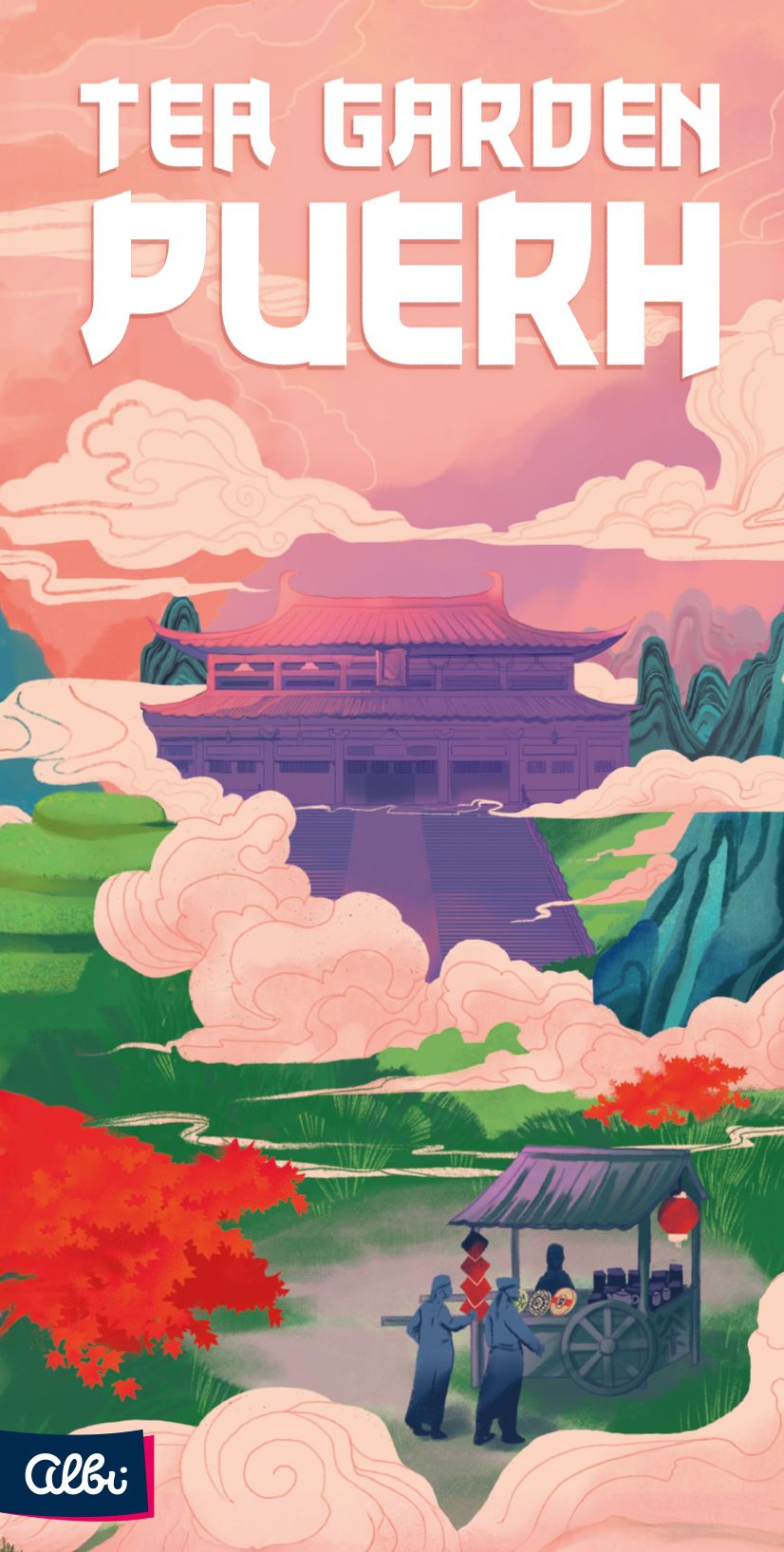
Tea Garden: Puerh — Prices
Albi, Albi Polska, Capstone Games · Board game · 2025What do you want to do now
Ask anything about Tea Garden: Puerh: rules, setup, components, complexity, price, or whether it fits your group.
Perfect for those seeking more strategic depth and who enjoy production combos. The game becomes denser and more rewarding.
- New actions expand strategic options
- Puer combos are very satisfying
- Solo mode now available
- Court majority fighting is fun
- Significantly increases complexity
- Game sessions take longer
About the game
What you do in a play session
The real highlight, however, is the puer market. Here, the strategy shifts: you can link pieces together to create bonus combos, where new additions enhance the value of previous ones. It's a game of long-term planning; if you're too impulsive, you might miss the chance to build the perfect production chain. Additionally, completing puers grants extra points at the end of the game, making time and resource management even more critical.
Fair warning: prepare your mind and your clock. The complexity of Tea Garden climbs a significant step with Puer, and playtimes tend to be longer. This is no longer a quick session; it's for those who enjoy burning brain cells with extra layers of strategy and Imperial decrees that shift the game's dynamics. To top it all off, the expansion solves the problem for solo gamers by including dedicated components for a single-player mode. If you love economic games with depth and want to turn your garden into an empire, this expansion is the way to go.
Expansion for
Published additional content
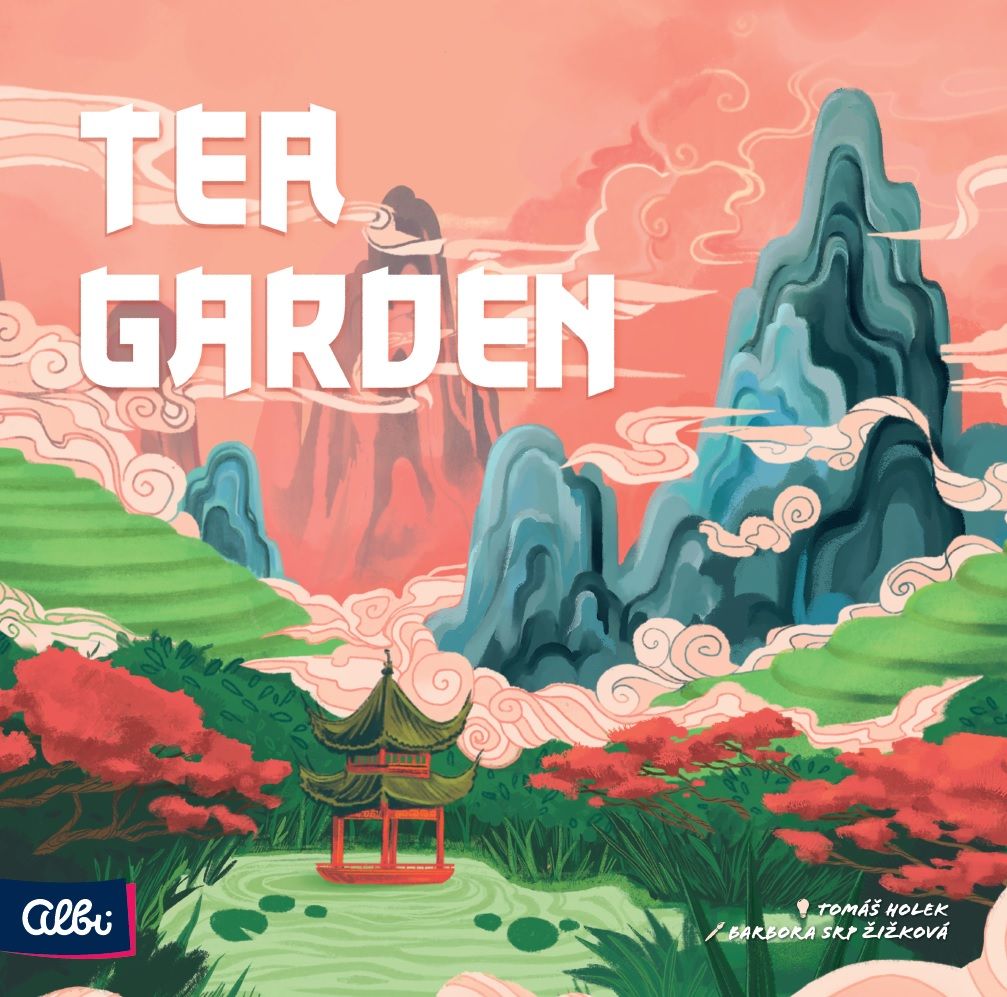
Gallery
Box and component photos
Tap any photo to open fullscreen. Photos submitted by the community or publisher.
Rules videos
Learn by watching before you open the box
Rules manual
Official PDF file
Best player count
BGG community vote
Soundtrack
Ambience suggested by Melodice
Where to Buy
Prices monitored daily
Price history — last 6 months (lowest new offer)
As an Amazon Associate I earn from qualifying purchases. Prices and availability subject to change.
Alert enabled!
Join the BoardGamesBot deals group
Get the best board game deals every day — without message spam.
Join the WhatsApp groupGame details
Mechanics, categories, families and credits
Mechanics
Categories
Families
Community
Data from BoardGameGeek
Frequently Asked Questions
Quick answers before you buy
