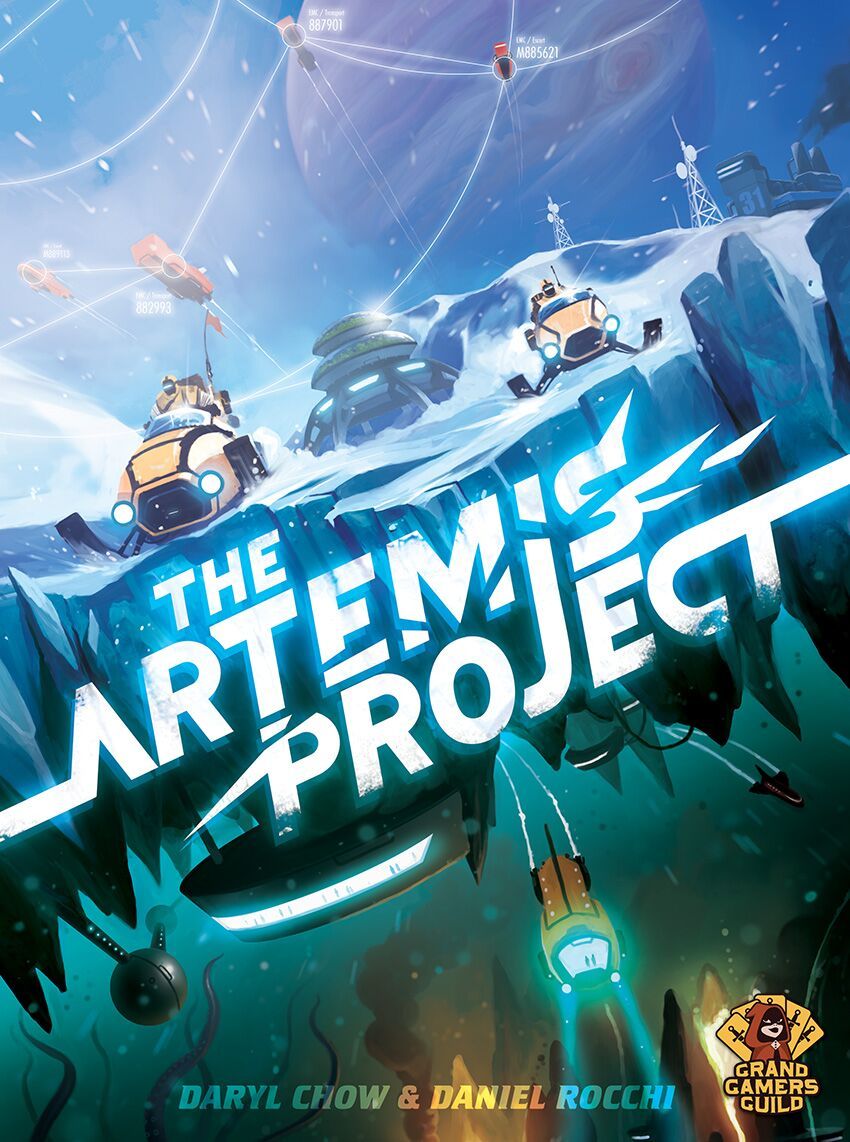
The Artemis Project
Grand Gamers Guild, Board Game Rookie, Bureau de Juegos · Board game · 2019
1–5 · best 3
Solo
60–75 min
Weight 2.9/5
Buy · from US$ 20.42
7.8
rating
Ludopedia
7.2
rating
BGG
Our Verdict
HIGHLY RECOMMENDED
If you love dice games, strategy, and space colonization, The Artemis Project will surprise you.
Highlights
- Engaging dice mechanic
- Unique blend of bidding and collection
- Underwater colony construction
- Resource management challenges
Keep in mind
- Moderate playtime
- Learning curve a bit steep
Rules manual not indexed yet
Upload the PDF rulebook to ask questions about this game with AI.
About the game
What you do in a play session
Released in 2019 by Goliath Games, The Artemis Project is a dice‑centric, bidding and engine‑building game set on Europa, Saturn’s icy moon. The goal is to turn the frozen surface into a sustainable habitat by colonizing the sub‑glacial caverns and harvesting minerals, energy, and biological resources.
The board is modular, made of hexes that represent caverns, underwater rivers, and mining zones. Each game starts with a variable setup: the placement of caverns, the amount of available resources, and the initial worker distribution. This variability ensures that no two games are identical, keeping replayability high.
Players take on the roles of four types of colonists – Pioneers, Engineers, Marines, and Administrators – each with distinct abilities. To progress, you place colored dice on board spaces. The dice’s position determines the action: mining, research, construction, or defense. The “Worker Placement with Dice” mechanic forces you to predict which dice will roll and where they can be used, blending placement strategy with dice randomness.
Beyond worker placement, there are building auctions. Each building offers production bonuses, storage capacity, or access to new technologies. Players bid using production points, creating tension and investment decisions. Collecting sets of resources – minerals, energy, and biomes – is essential to complete construction cards that unlock technological advancements.
The game also features an expedition phase. Once the sub‑aquatic base is stable, players can send teams to explore deeper caverns. Expeditions are resolved with dice rolls and can yield treasures, scientific discoveries, or even threats from hostile sea creatures. Managing the risk of these expeditions is part of the strategy.
With 200 colored dice, colonist tokens, construction cards, and a detailed rulebook, The Artemis Project delivers a rich experience of dice, economy, and tension. If you enjoy games that demand careful planning, negotiation, and a dash of randomness, this title will keep you entertained for hours.
The board is modular, made of hexes that represent caverns, underwater rivers, and mining zones. Each game starts with a variable setup: the placement of caverns, the amount of available resources, and the initial worker distribution. This variability ensures that no two games are identical, keeping replayability high.
Players take on the roles of four types of colonists – Pioneers, Engineers, Marines, and Administrators – each with distinct abilities. To progress, you place colored dice on board spaces. The dice’s position determines the action: mining, research, construction, or defense. The “Worker Placement with Dice” mechanic forces you to predict which dice will roll and where they can be used, blending placement strategy with dice randomness.
Beyond worker placement, there are building auctions. Each building offers production bonuses, storage capacity, or access to new technologies. Players bid using production points, creating tension and investment decisions. Collecting sets of resources – minerals, energy, and biomes – is essential to complete construction cards that unlock technological advancements.
The game also features an expedition phase. Once the sub‑aquatic base is stable, players can send teams to explore deeper caverns. Expeditions are resolved with dice rolls and can yield treasures, scientific discoveries, or even threats from hostile sea creatures. Managing the risk of these expeditions is part of the strategy.
With 200 colored dice, colonist tokens, construction cards, and a detailed rulebook, The Artemis Project delivers a rich experience of dice, economy, and tension. If you enjoy games that demand careful planning, negotiation, and a dash of randomness, this title will keep you entertained for hours.
Gallery
Box and component photos
Tap any photo to open fullscreen. Photos submitted by the community or publisher.
Rules videos
Learn by watching before you open the box
In English
-
 Learn To Play: Artimas Project
-
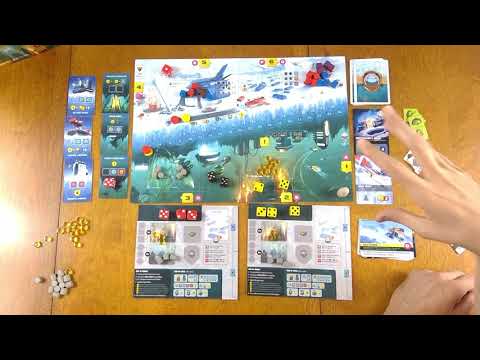 Review, How to and Commentary
-
 The Artemis Project Board Game – How to Play & Setup
-
 The Artemis Project Solo Mode Overview
-
 The Artemis Project - A Dicey Walkthrough!
-
 The Artemis Project - Full Solo Playthrough
-
 How to play The Aretmis Project
-
 How to Play The Artemis Project
-
 The Artemis Project Overview
Best player count
BGG community vote
1
REC
2
REC
3
BEST
4
BEST
5
REC
Soundtrack
Ambience suggested by Melodice
Loading playlist...
Where to Buy
Prices monitored daily
Finding best prices...
Prices unavailable at this time.
Price history — last 6 months (lowest new offer)
As an Amazon Associate I earn from qualifying purchases. Prices and availability subject to change.
Alert enabled!
Join the BoardGamesBot deals group
Get the best board game deals every day — without message spam.
Join the WhatsApp groupGame details
Mechanics, categories, families and credits
Mechanics
Categories
Families
Publisher
Grand Gamers Guild, Board Game Rookie, Bureau de Juegos, Gen-X Games (GenX), Grimspire, Super Meeple
Designer
Daniel Rocchi, Daryl Chow
Artist
Dominik Mayer, Josh Cappel
Community
Data from BoardGameGeek
4,393owners
1,123wishlist
167want to play
Frequently Asked Questions
Quick answers before you buy
How many players can play?
1 to 5 players.
How long does a game last?
60 to 75 minutes.
What is the complexity?
Medium to high; requires attention to dice and resource production details.
What components are included?
200 colored dice, colonist tokens, construction cards, modular board and rulebook.
Who is the target audience?
Players who enjoy dice, engine building, and science‑fiction themes.
Is there an expansion?
No official expansion, but the designer often releases community events.
Is there a digital version?
Yes, there is a BoardGamePlay implementation.
Other Games You'll Like
Based on mechanics and theme