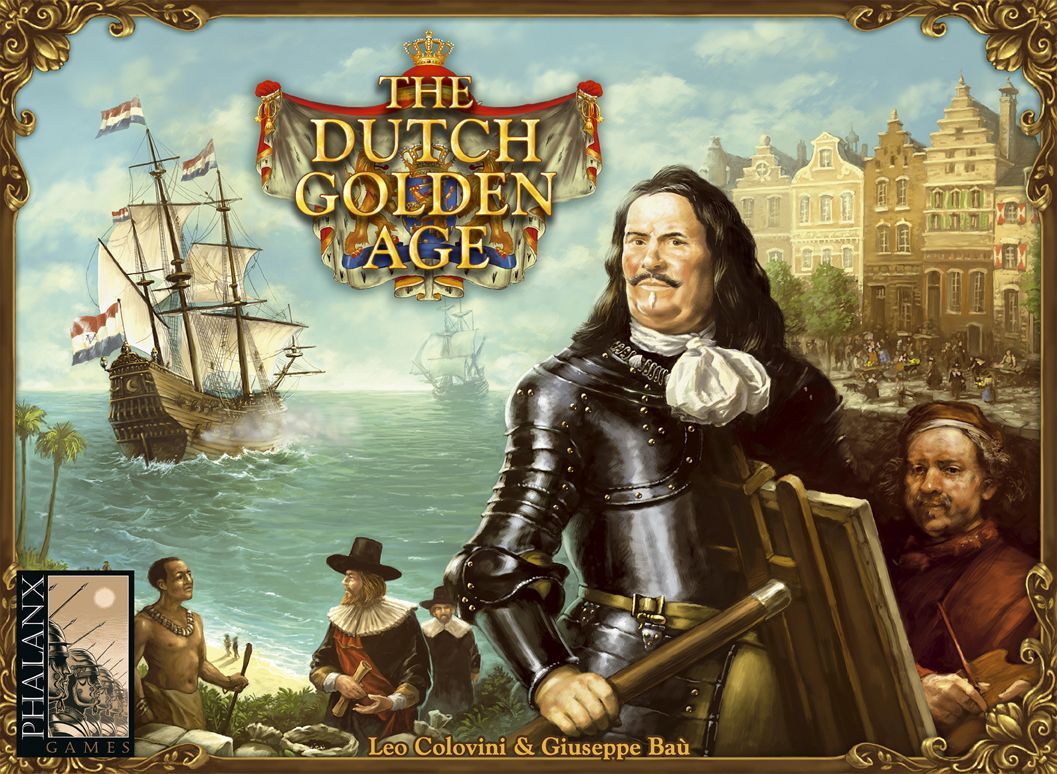
The Dutch Golden Age
Mayfair Games, Millenium, Phalanx Games B.V. · Board game · 2008The Dutch Golden Age is a great choice for those who enjoy economic games with a well-integrated historical theme. The experience of managing multiple fronts — from local investments to colonial expeditions — creates a constant sense of progress and urgency. It is a game that balances strategic planning well with the need to adapt to what the card decks offer. If you like influence-based competition on a classic board, you will feel right at home.
- Diverse deck management system
- Well-integrated historical theme
- Exciting race-style dynamics
- Rewarding economic decisions
- Card draw luck factor
- Interaction can feel indirect
- Dated visual style
About the game
What you do in a play session
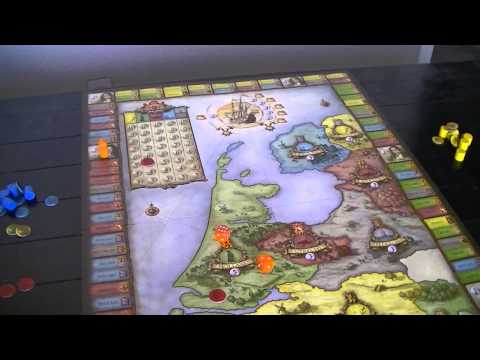
The core mechanic revolves around managing cards from six distinct decks, each with a specific focus. For example, while investment cards offer increasing financial returns if you manage to form sets, artist cards are long-term investments that require patience and constant funding before they start yielding points. Colonial expansion requires you to outfit your expeditions with ships, captains, and cannons, paving the way for access to more lucrative investment decks. The board also features a movement track that dictates income based on your influence in the provinces, forcing you to decide between investing locally or expanding your horizons overseas.
The game blends elements of economics, area control, and even a bit of luck with dice, which gives it a well-defined 'race' dynamic. It is a title that requires planning, but also puts you in a position where you need to react to emerging opportunities, especially when civic cards allow you to alter movement rules or secure provincial governorships. It is a classic experience, focused on optimization and timing, perfect for those who enjoy mid-weight games that don't skimp on a rich historical context.
Gallery
Box and component photos
Tap any photo to open fullscreen. Photos submitted by the community or publisher.
Rules videos
Learn by watching before you open the box
In English
Best player count
BGG community vote
Soundtrack
Ambience suggested by Melodice
Where to Buy
Prices monitored daily
Price history — last 6 months (lowest new offer)
As an Amazon Associate I earn from qualifying purchases. Prices and availability subject to change.
Alert enabled!
Join the BoardGamesBot deals group
Get the best board game deals every day — without message spam.
Join the WhatsApp groupGame details
Mechanics, categories, families and credits
Mechanics
Categories
Families
Community
Data from BoardGameGeek
Frequently Asked Questions
Quick answers before you buy
What is the average playtime?
How many players are needed?
Is it a very complex game?
Is the theme just visual or does it impact gameplay?
Does the game rely heavily on luck?
What is the main objective?
Other Games You'll Like
Based on mechanics and theme