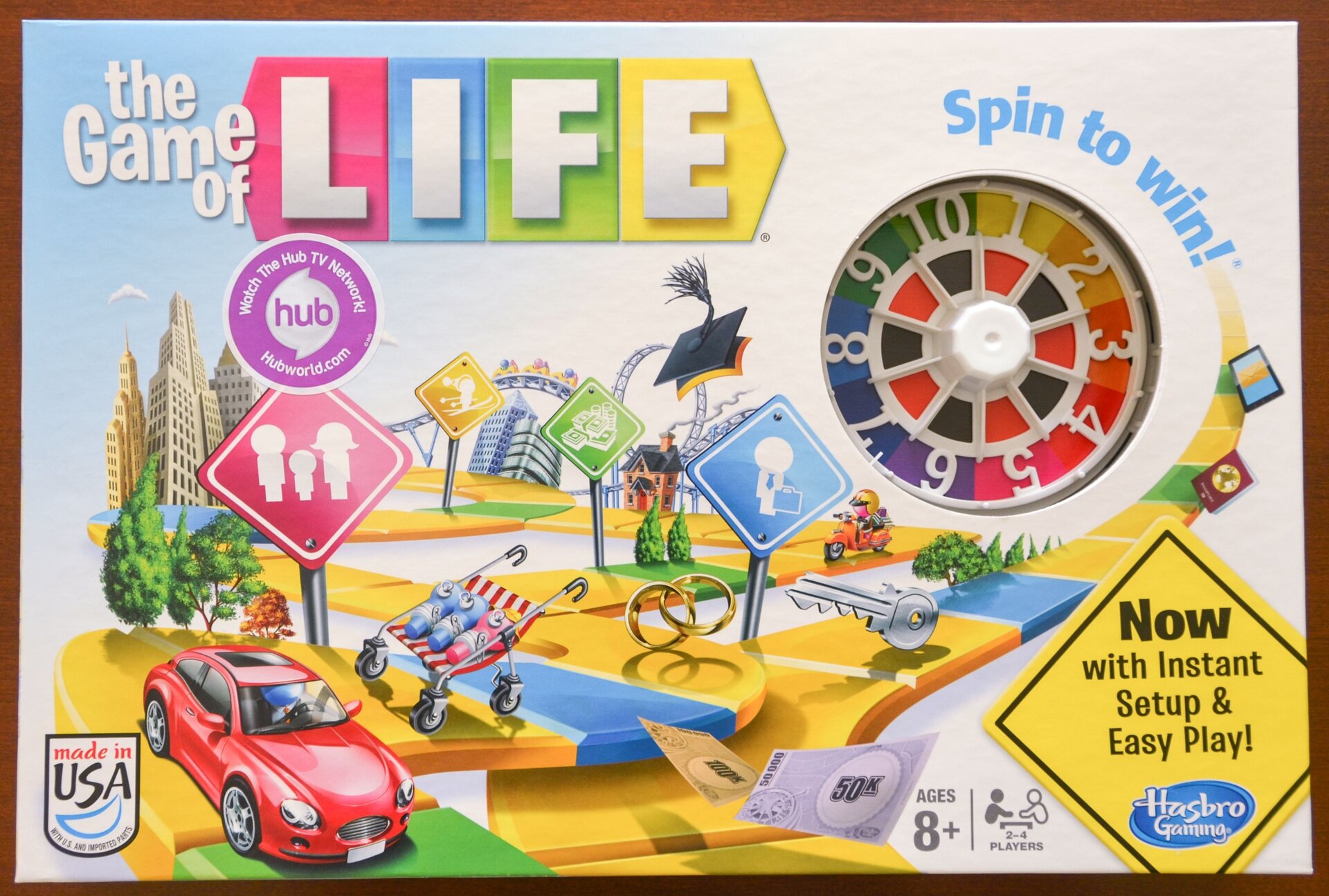
The Game of Life (2013- Editions)
Hasbro · Board game · 2013- Ludopedia
- BoardGameGeek
- Players
- 2–4 · best 4
- Play Time
- 60 min
- Weight
- Weight 1.2/5
- Year
- Year 2013
- Minimum age
- Minimum age 8+
100.0
rating
Ludopedia
5.0
rating
BoardGameGeek
Our Verdict
Fans of life simulation and a touch of luck will love it!
Highlights
- Realistic simulation
- Robust 3D components
- Fun wheel
Keep in mind
- High randomness
- Limited choices
Rules manual not indexed yet
Upload the PDF rulebook to ask questions about this game with AI.
About the game
What you do in a play session
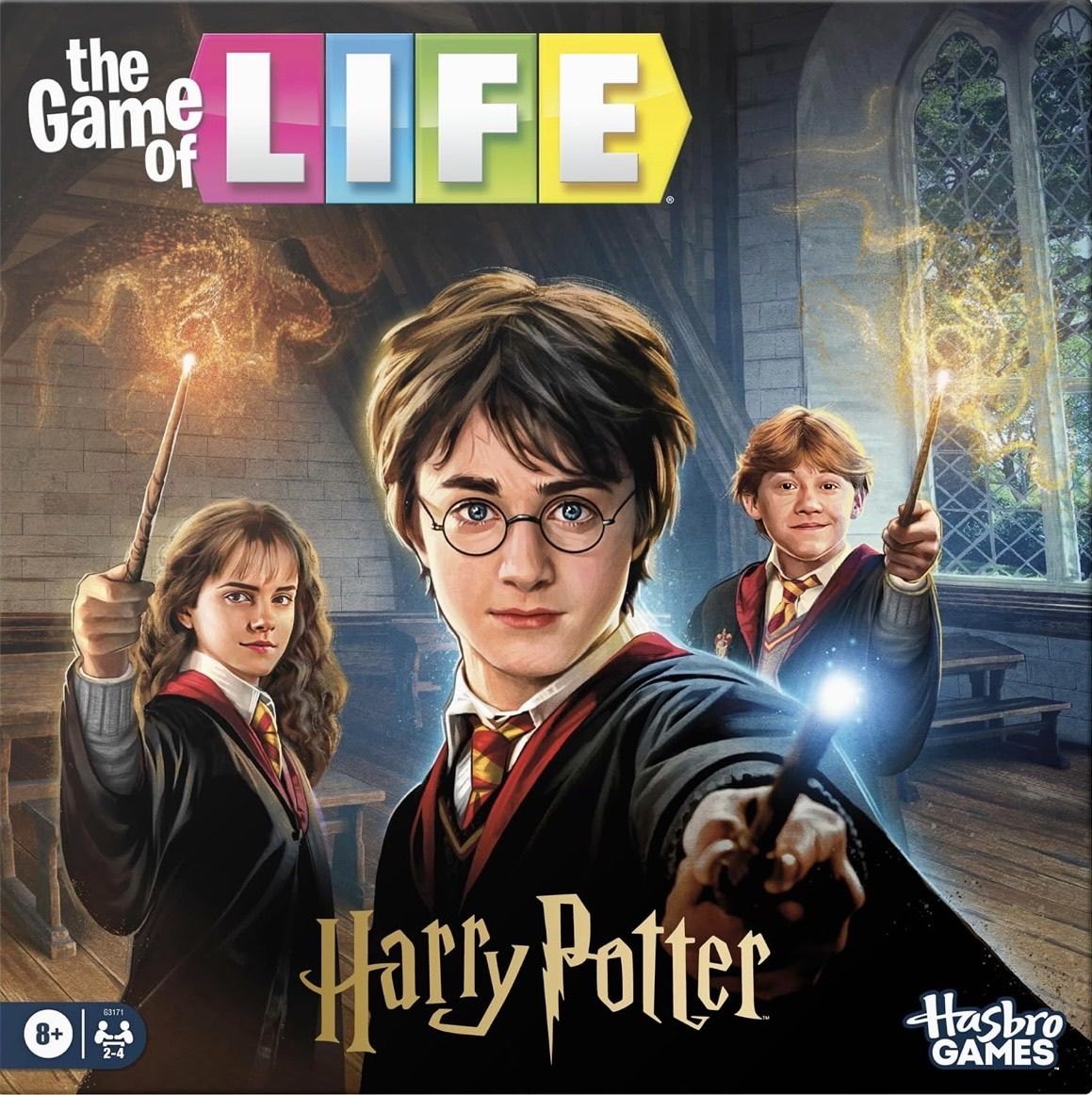
The Game of Life (2013) is the classic that tries to put you in the shoes of someone building a career, buying a house, raising a family, and of course, retiring. The board is simple, almost linear, and everything revolves around a wheel that decides how far you move. When you land on "Payday" spots, that's where the money comes (or goes) – it's the heart of the game. Action cards add that surprise touch, multiplying gains or taking money depending on what the wheel says. The big twist? The choice to go to college or not. If you choose, you take a longer path but receive different career cards that can change your end balance. And don't forget real estate speculation: you can buy houses, but most decisions are more luck than strategy. The game was updated to reduce the max players from six to four and introduced new cards that increase randomness, making each game unique. If you like simulating real life with a sprinkle of luck, you'll enjoy it. But if you're after deep strategic play, you might be skeptical. In short, it's guaranteed fun for those who love the idea of "living life in miniature".
The game supports 2‑4 players, lasts about 60 minutes, and is easy to set up. Components are sturdy: 3‑D pieces, a colorful board, and plenty of cards that give it that classic charm. The wheel-spinning mechanic is quick, but the career choice and investment decisions add some emotional depth. The final score is based on total assets, so whoever ends with the most money, houses, and investments wins. If you have kids at home and want something that teaches about money in a playful way, it's a great pick. If you're a fan of deep strategic games, you might prefer something more complex. Either way, The Game of Life (2013) is a classic that remains fun.
In terms of gameplay experience, the wheel rotation ensures no one sits idle. The game flows well, but the career decision line can frustrate some players when the cards don't favor them. Still, the real-life theme with all its twists makes the game memorable.
The main advantage is that the game is very accessible: short rules, quality components, and a theme everyone gets. The downside is that randomness can dominate, especially in house-buying decisions and action cards. If you like a game that mixes luck and a life theme, you'll love it. If you prefer something that demands meticulous planning, it may not be ideal.
The game is perfect for families, friends, and for nights that call for a quick, fun game session, with a playtime of about an hour, and is ideal for ages 12 and up.
Gallery
Box and component photos
Tap any photo to open fullscreen. Photos submitted by the community or publisher.
Rules videos
Learn by watching before you open the box
In English

Best player count
BGG community vote
2
REC
3
REC
4
BEST
Soundtrack
Ambience suggested by Melodice
Loading playlist...
Where to Buy
Prices monitored daily
Finding best prices...
Prices unavailable at this time.
Price history — last 6 months (lowest new offer)
As an Amazon Associate I earn from qualifying purchases. Prices and availability subject to change.
Alert enabled!
Join the BoardGamesBot deals group
Get the best board game deals every day — without message spam.
Join the WhatsApp groupGame details
Mechanics, categories, families and credits
Mechanics
Categories
Families
Publisher
Hasbro
Community
Data from BoardGameGeek
3,211owners
38wishlist
3want to play
Frequently Asked Questions
Quick answers before you buy
What is the average playtime?
About 60 minutes, perfect for a quick game night.
How many players can play?
2 to 4 players, keeping the game fast and dynamic.
What are the main mechanics?
Spin the wheel to move, action cards that affect money, and career choices.
Is it suitable for kids?
Yes, it's classified as a Children's Game, but recommended for ages 12 and up.
What components does the game have?
Board, 3D pieces, action cards, career cards, and a movement wheel.
How does house buying work?
You can buy houses when landing on specific spaces, but the outcome is luck-based.
Does it have deep strategy?
Strategy is limited; most decisions depend on luck and drawn cards.
Other Games You'll Like
Based on mechanics and theme