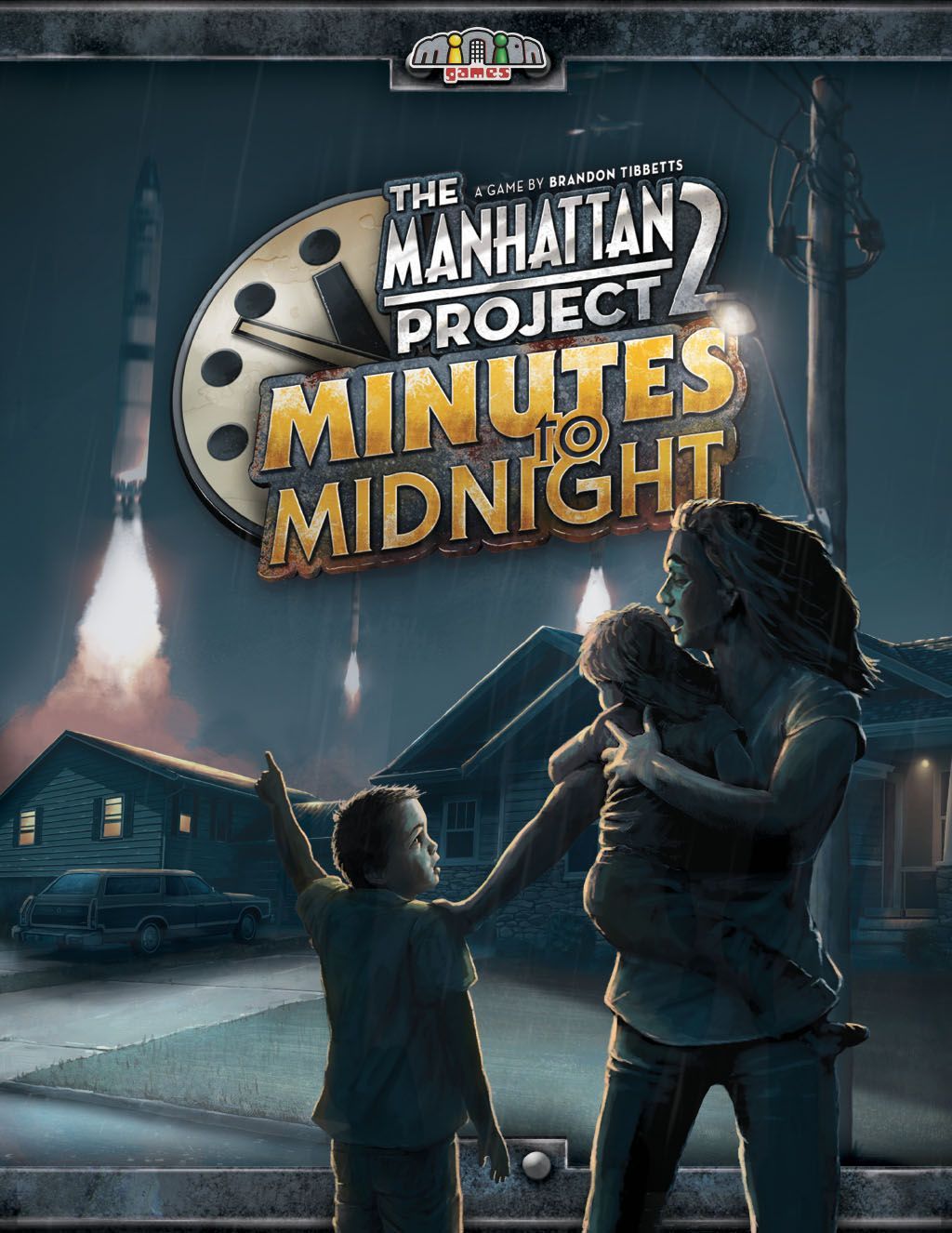
The Manhattan Project 2: Minutes to Midnight
Minion Games, Arrakis Games · Board game · 2018
2–5 · best 4
90–150 min
Weight 3.6/5
Buy · from US$ 44.90
2.0
rating
Ludopedia
7.2
rating
BGG
Our Verdict
RECOMMENDED
If you love heavy strategy with a Cold War vibe, you’ll dig The Manhattan Project 2.
Highlights
- Diverse worker management
- Thematic board layers
- Robust tech trees
Keep in mind
- Steep learning curve
- Long playtime potential
- Scoring rounds can feel repetitive
Rules manual not indexed yet
Upload the PDF rulebook to ask questions about this game with AI.
About the game
What you do in a play session
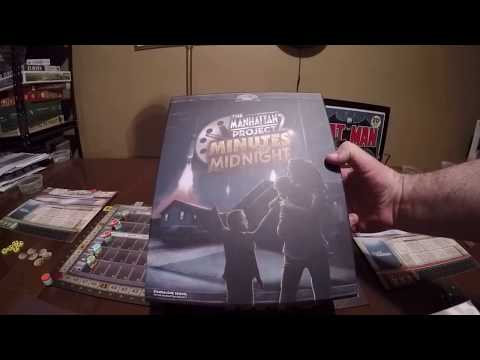
Twenty years after the events of The Manhattan Project, the superpowers resume the arms race, but now the main hurdle isn’t building nukes – everyone can churn them out. The focus shifts to the "Nuclear Triad": strategic bombers, ballistic submarines and intercontinental missiles. Each player commands a nation and, at regular intervals, a scoring round takes place in one of four categories – bombers, subs, ICBMs or short‑range missiles delivered to third‑world states. Besides points for fielding weapons, defensive bonuses are earned by mitigating threats against your realm. To do so you recruit four worker types: Laborers (run factories and facilities), Spies (operate opponents’ buildings), Politicians (generate tax revenue and sway third‑world nations) and Generals (deploy bombers, subs and missiles). The six building types are: Factories (produce aircraft and subs), Research Centers (advance five tech tracks), Reactors (produce warheads), Silos (arm ICBMs), Test Sites (detonate nukes on your own land for points) and ABM Launchers (grant defensive bonuses). The game employs layered boards, area control, open drafting, hand management and multiple worker‑type placement within a Cold‑War, retro‑futuristic setting. Play ends after all scoring events are resolved, and the player with the most points wins. It’s a standalone title, requiring no base game, blending economic strategy, tech development and secret maneuvers into a tense, thematic experience.
Gallery
Box and component photos
Tap any photo to open fullscreen. Photos submitted by the community or publisher.
Rules videos
Learn by watching before you open the box


Best player count
BGG community vote
2
OK
3
REC
4
BEST
5
REC
Soundtrack
Ambience suggested by Melodice
Loading playlist...
Where to Buy
Prices monitored daily
Finding best prices...
Prices unavailable at this time.
Price history — last 6 months (lowest new offer)
As an Amazon Associate I earn from qualifying purchases. Prices and availability subject to change.
Alert enabled!
Join the BoardGamesBot deals group
Get the best board game deals every day — without message spam.
Join the WhatsApp groupGame details
Mechanics, categories, families and credits
Mechanics
Categories
Families
Publisher
Minion Games, Arrakis Games
Designer
Brandon Tibbetts
Artist
Clay Gardner, James Colmer
Community
Data from BoardGameGeek
2,920owners
369wishlist
47want to play
Frequently Asked Questions
Quick answers before you buy
How many players can join?
It supports 2 to 5 players, making it perfect for medium‑sized groups.
What is the typical playtime?
Games run about 90 to 150 minutes, depending on player count and familiarity.
How complex is the game?
Medium‑high complexity; best suited for players comfortable with worker placement and tech trees.
Are there Portuguese components?
No, all cards and tokens are in English, but they’re easy to translate on the fly.
Do I need the base game The Manhattan Project?
No, Minutes to Midnight is a standalone title and does not require the original game.
What worker types are available?
Laborers, Spies, Politicians and Generals, each handling different aspects of the engine.
Are there any expansions planned?
As of now, no official expansions have been announced.
Other Games You'll Like
Based on mechanics and theme