Trimino
Creative Playthings, Ludens Spirit, Schmidt Spiele · Board game · 1969
1–4 · best 2, 3, 4
Solo
—
Weight 1.0/5
Buy
7.1
rating
Ludopedia
6.0
rating
BGG
Our Verdict
RECOMMENDED
Perfect for domino lovers looking for an extra spatial logic challenge.
Highlights
- Simple and intuitive rules
- Great for logical reasoning
- Durable and tactile components
- Fast and dynamic matches
Keep in mind
- Can be repetitive for hardcore gamers
- Requires table space to expand
Rules manual not indexed yet
Upload the PDF rulebook to ask questions about this game with AI.
About the game
What you do in a play session
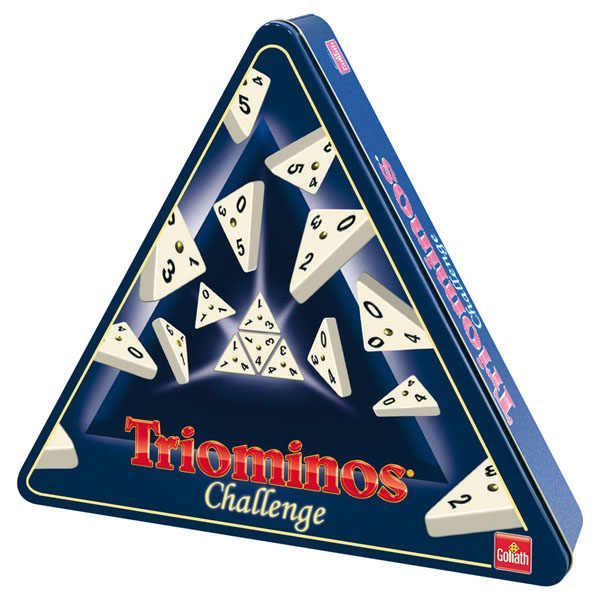
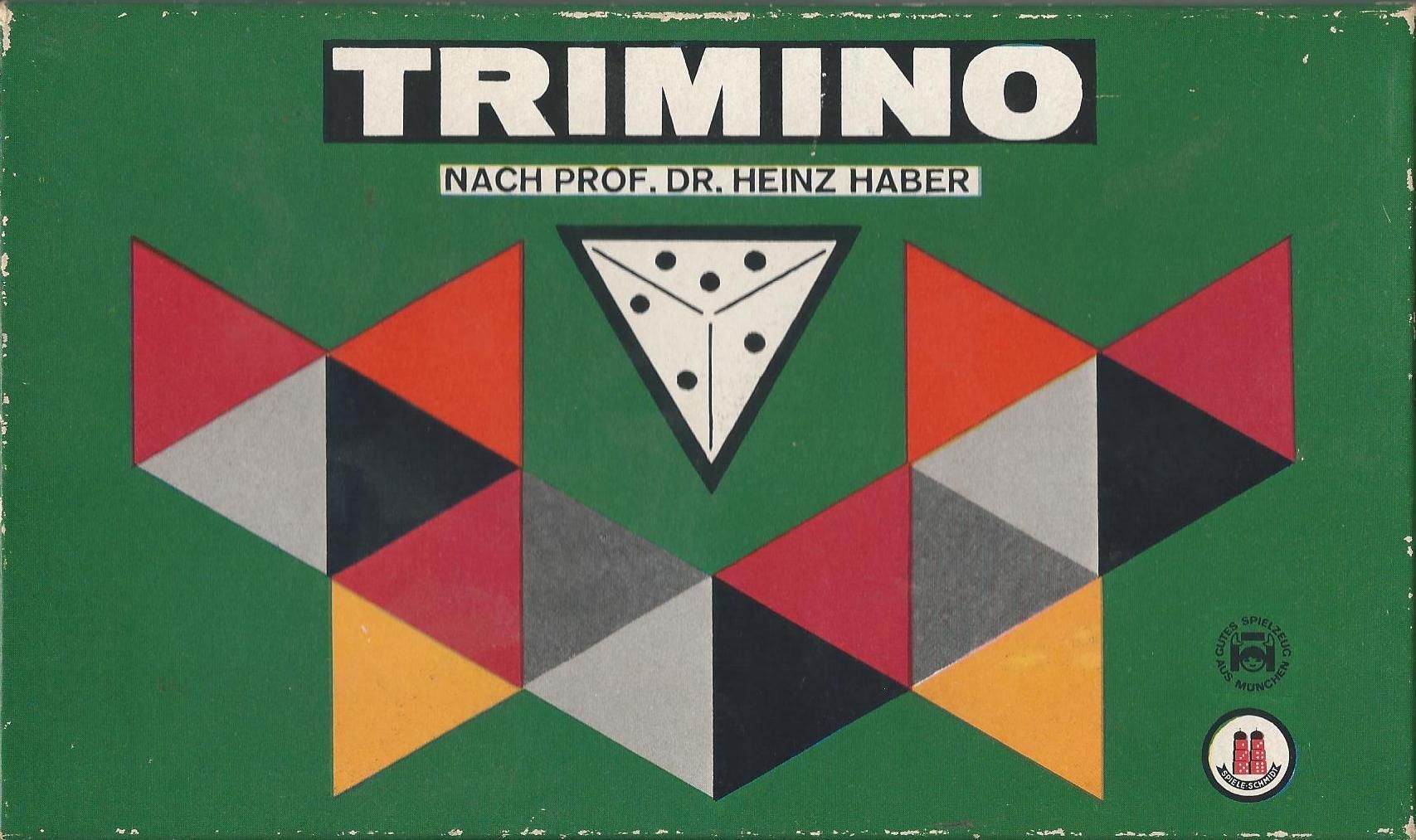
You know that classic domino game everyone knows? Now imagine it with a geometric twist that will challenge your brain a bit more. Triminó brings triangular pieces that completely change the fitting dynamics. Instead of just two ends, you deal with three sides, where numbers are distributed along the edges, challenging your spatial perception and planning skills.
The objective here is simple but requires some cunning: you need to fit your pieces following the numerical logic, trying to get rid of all your tiles as quickly as possible. The game features 45 numbered tiles (typically from 0 to 5), and the fun lies in watching how the game's pattern expands across the table. If you get stuck and cannot make a move, the tension rises, as every tile remaining in your hand at the end of the match counts as negative points.
For beginners, the manual provides some assembly templates that help you understand the connection possibilities. It's the kind of game where you 'learn by doing,' where the simplicity of the rules hides an interesting tactical depth. It's ideal for those who enjoy logic games, want to exercise their minds, or are looking for something quick to play with the family without needing to read a 50-page manual. Since it is language-independent, you can play with anyone, making it a perfect wildcard for social gatherings where the focus is healthy competition and logical reasoning.
The objective here is simple but requires some cunning: you need to fit your pieces following the numerical logic, trying to get rid of all your tiles as quickly as possible. The game features 45 numbered tiles (typically from 0 to 5), and the fun lies in watching how the game's pattern expands across the table. If you get stuck and cannot make a move, the tension rises, as every tile remaining in your hand at the end of the match counts as negative points.
For beginners, the manual provides some assembly templates that help you understand the connection possibilities. It's the kind of game where you 'learn by doing,' where the simplicity of the rules hides an interesting tactical depth. It's ideal for those who enjoy logic games, want to exercise their minds, or are looking for something quick to play with the family without needing to read a 50-page manual. Since it is language-independent, you can play with anyone, making it a perfect wildcard for social gatherings where the focus is healthy competition and logical reasoning.
Gallery
Box and component photos
Tap any photo to open fullscreen. Photos submitted by the community or publisher.
Best player count
BGG community vote
1
OK
2
BEST
3
BEST
4
BEST
Soundtrack
Ambience suggested by Melodice
Loading playlist...
Where to Buy
Prices monitored daily
Finding best prices...
Prices unavailable at this time.
Price history — last 6 months (lowest new offer)
As an Amazon Associate I earn from qualifying purchases. Prices and availability subject to change.
Alert enabled!
Join the BoardGamesBot deals group
Get the best board game deals every day — without message spam.
Join the WhatsApp groupGame details
Mechanics, categories, families and credits
Mechanics
Categories
Families
Publisher
Creative Playthings, Ludens Spirit, Schmidt Spiele
Designer
Dr. Heinz Haber
Community
Data from BoardGameGeek
75owners
8wishlist
Frequently Asked Questions
Quick answers before you buy
Is it hard to learn?
Not at all! If you've played dominoes, you'll get the hang of it in minutes. The only difference is the triangular shape.
How many people can play?
The game supports 1 to 4 players. You can even play solo to test patterns!
How long does a match last?
It's very quick. Depending on the number of players, the match flows in just a few minutes.
Do I need to speak English to play?
No. The game is language-independent, as it only uses numbers on the tiles.
Is it suitable for children?
Yes, it's excellent for developing spatial perception and basic math in a fun way.
What happens if I can't make a move?
You pass your turn, but remember: tiles in hand at the end of the game deduct points!
Other Games You'll Like
Based on mechanics and theme