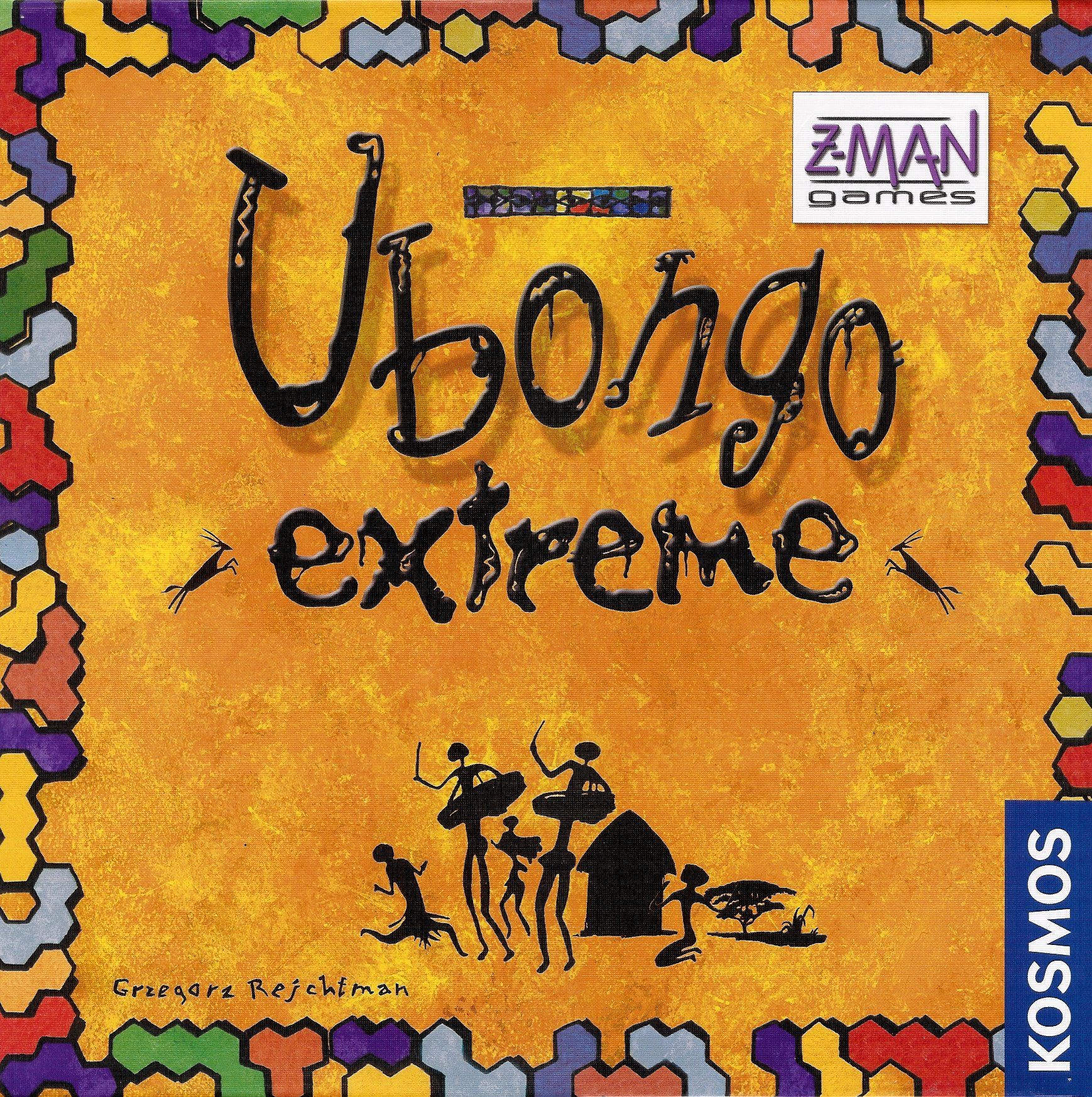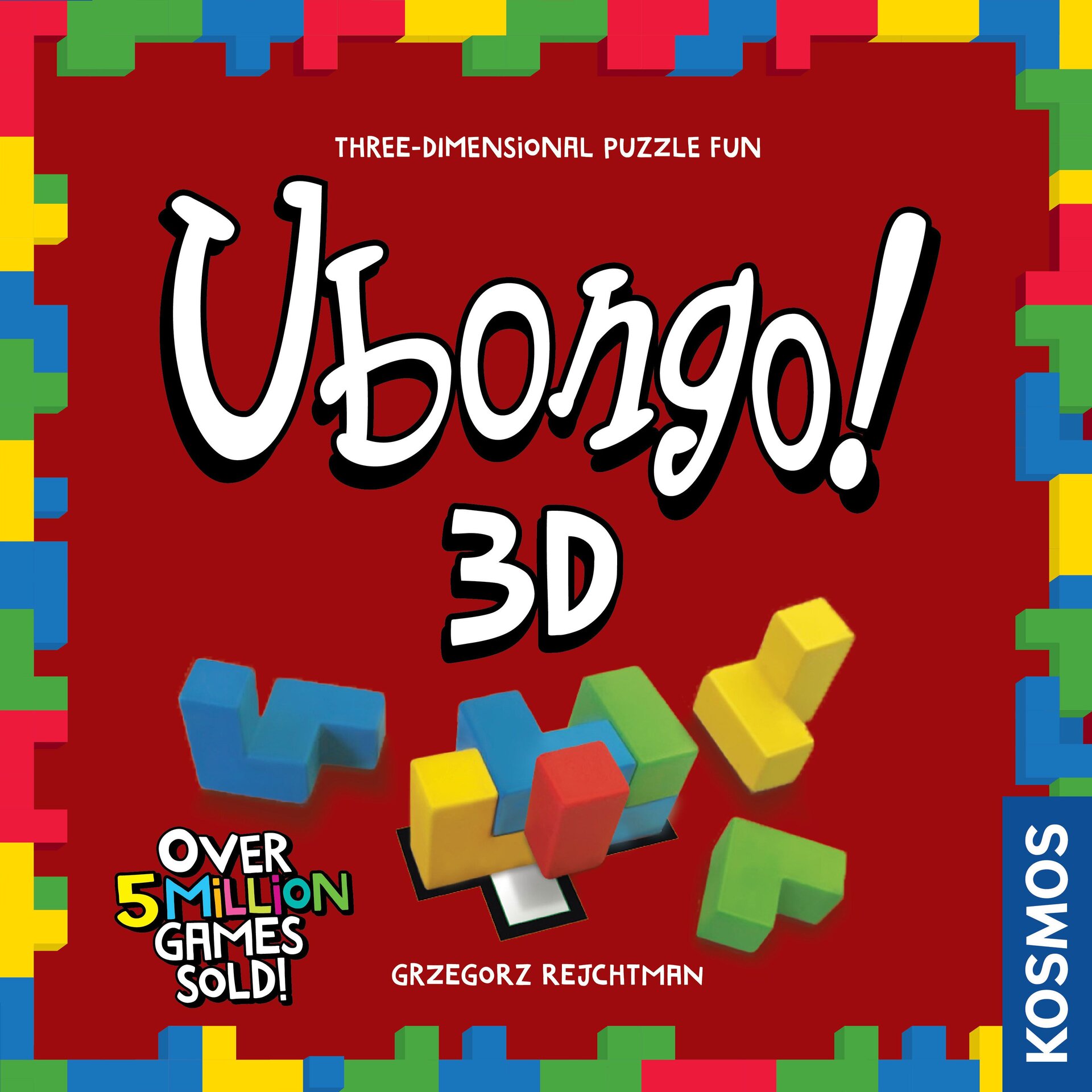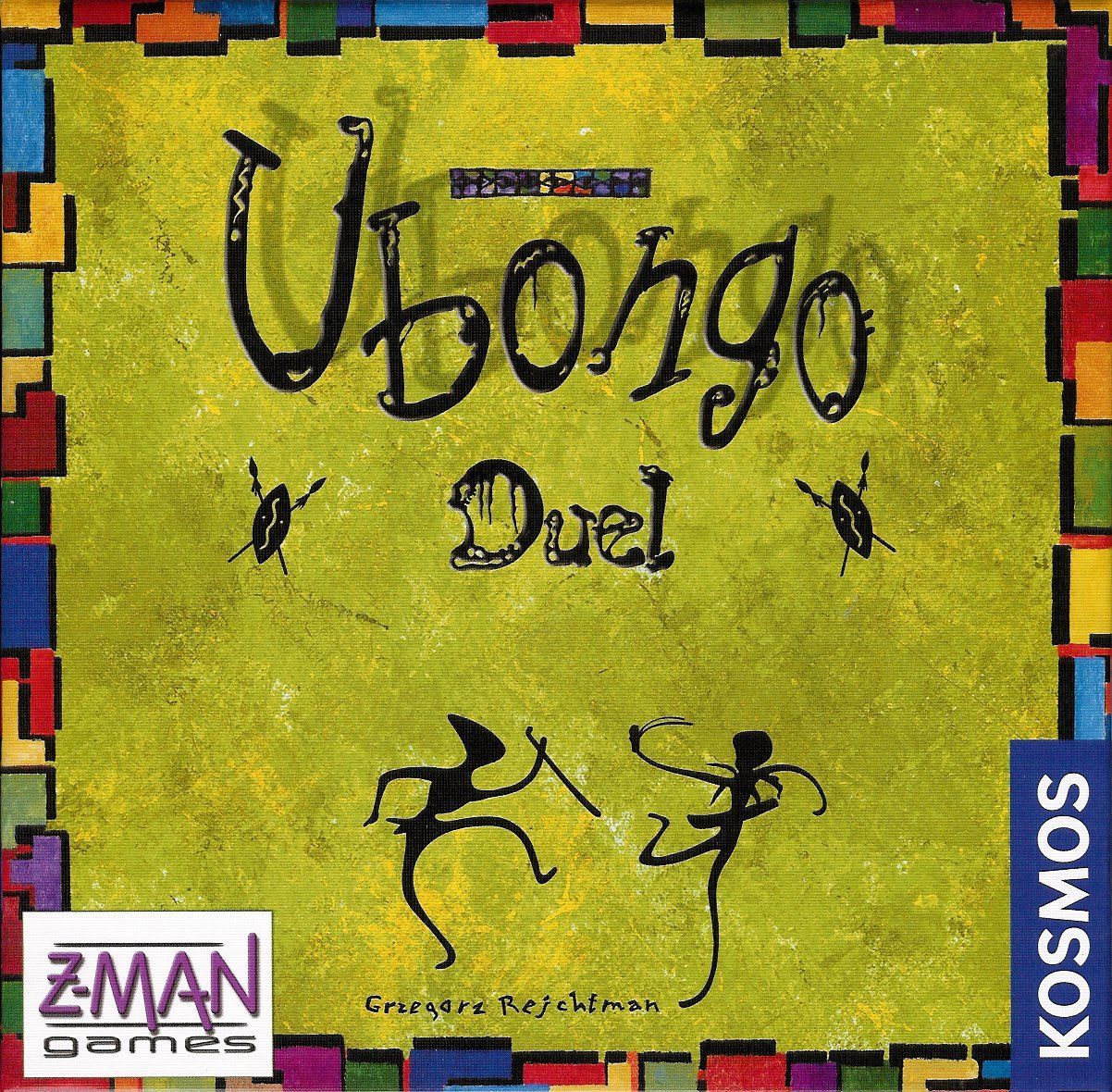
Ubongo: Duel
KOSMOS, Albi, Competo / Marektoy · Board game · 2008
2 · best 2
15–40 min
Weight 1.8/5
Buy · from US$ 15.99
7.9
rating
Ludopedia
6.8
rating
BGG
Our Verdict
HIGHLY RECOMMENDED
Speed lovers and duel junkies will love Ubongo: Duel!
Highlights
- Fast and addictive
- Real‑time challenge
- Compact and portable
Keep in mind
- No time limit per puzzle
- Short learning curve
Rules manual not indexed yet
Upload the PDF rulebook to ask questions about this game with AI.
About the game
What you do in a play session
Ubongo: Duel brings the adrenaline of a real‑time duel to the puzzle world you love. Instead of racing the clock, you and your opponent try to solve the same puzzles as fast as possible, using the same set of pieces. Each game starts with 21 tiles and a stack of challenge sheets. A twenty‑sided die decides which pieces are used each round, so you must place the correct shapes on the sheet before your opponent does. When someone finishes first, they shout ‘Ubongo!’ and advance a step on the scoring track. The first to win five duels takes the crown. The pattern‑building mechanic becomes even sharper, as you need to visualise the space quickly and fit the shapes. The lack of a time limit for each puzzle adds pressure, making every second count. If you enjoy fast challenges that require spatial thinking and speed, Ubongo: Duel is perfect for testing your mind in two‑player duels.
The game keeps the simplicity of the original components: polyomino pieces, polyhedral dice, and challenge sheets, but the real‑time dynamic creates a more intense and unpredictable experience. The learning curve is short, but strategic depth emerges as you learn to prioritise which pieces to use each round and anticipate your opponent’s moves. Ideal for 15‑40 minute sessions, Ubongo: Duel is a great addition to game nights with friends who enjoy direct competition and logic.
In short, Ubongo: Duel turns the classic logic game into a speed‑and‑strategy duel, keeping everything compact and accessible. If you know the original Ubongo or want a quick, challenging game, this two‑player duel will take off.
The game keeps the simplicity of the original components: polyomino pieces, polyhedral dice, and challenge sheets, but the real‑time dynamic creates a more intense and unpredictable experience. The learning curve is short, but strategic depth emerges as you learn to prioritise which pieces to use each round and anticipate your opponent’s moves. Ideal for 15‑40 minute sessions, Ubongo: Duel is a great addition to game nights with friends who enjoy direct competition and logic.
In short, Ubongo: Duel turns the classic logic game into a speed‑and‑strategy duel, keeping everything compact and accessible. If you know the original Ubongo or want a quick, challenging game, this two‑player duel will take off.
Gallery
Box and component photos
Tap any photo to open fullscreen. Photos submitted by the community or publisher.
Best player count
BGG community vote
2
BEST
Soundtrack
Ambience suggested by Melodice
Loading playlist...
Where to Buy
Prices monitored daily
Finding best prices...
Prices unavailable at this time.
Price history — last 6 months (lowest new offer)
As an Amazon Associate I earn from qualifying purchases. Prices and availability subject to change.
Alert enabled!
Join the BoardGamesBot deals group
Get the best board game deals every day — without message spam.
Join the WhatsApp groupGame details
Mechanics, categories, families and credits
Mechanics
Categories
Families
Publisher
KOSMOS, Albi, Competo / Marektoy, Egmont Polska, White Goblin Games, Z-Man Games
Designer
Grzegorz Rejchtman
Artist
Nicolas Neubauer
Community
Data from BoardGameGeek
2,021owners
189wishlist
49want to play
Frequently Asked Questions
Quick answers before you buy
How long does a typical game of Ubongo: Duel last?
A typical game lasts between 15 and 40 minutes, depending on the players' experience level.
How many players can play?
The game is specifically designed for two players, making it ideal for direct duels.
What is the difficulty level?
The difficulty ramps up because you must solve more complex puzzles in real time, requiring fast spatial thinking.
What components come with the game?
The set includes polyomino pieces, 20‑sided polyhedral dice, and challenge sheets.
Is any language knowledge required?
No, the game is language‑independent, so it can be played anywhere.
Who is the target audience?
Players who enjoy logic, speed, and direct competition, especially fans of Ubongo or puzzle games.
Does using the same set of pieces provide an advantage?
Yes, using the same set creates a fair competition and increases tension, as both players must optimize piece use each round.
Other Games You'll Like
Based on mechanics and theme