Warhammer 40,000 (Third Edition)
Games Workshop Ltd. · Board game · 1998- Ludopedia
- BoardGameGeek
- Players
- 2–6 · best 2
- Play Time
- 30–120 min
- Weight
- Weight 3.5/5
- Year
- Year 1998
- Minimum age
- Minimum age 17+
40.0
rating
Ludopedia
6.5
rating
BoardGameGeek
Our Verdict
RECOMMENDED
If you love miniatures and deep tactics, Warhammer 40K (3rd ed.) serves up epic battles with massive customization.
Highlights
- Extremely varied factions
- Unique powers per army
- High thematic immersion
Keep in mind
- Steep learning curve
- Requires many miniatures
- Games can run long
Rules manual not indexed yet
Upload the PDF rulebook to ask questions about this game with AI.
About the game
What you do in a play session
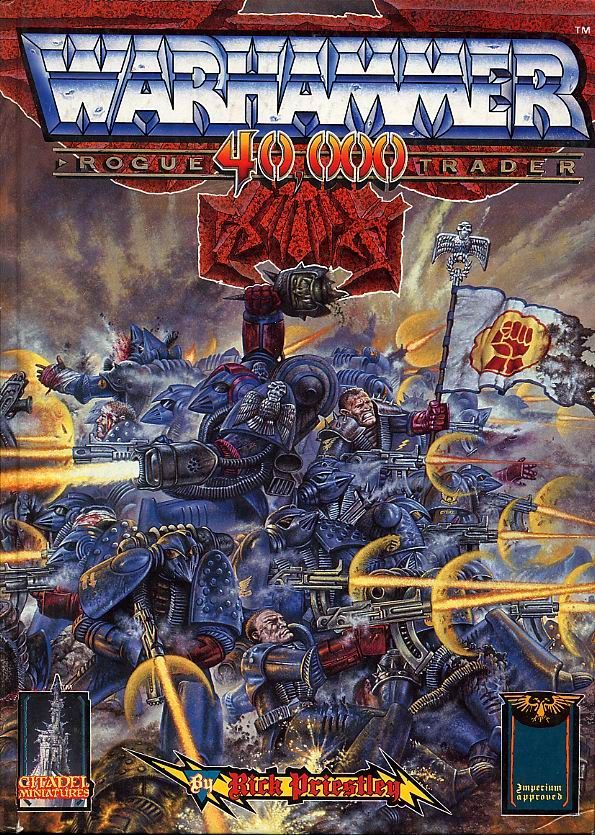
Warhammer 40,000 (Third Edition) brings the classic miniature combat to the tabletop, set in a dystopian future where factions such as Space Marines, Imperial Guard, Eldar, Tyranids and Chaos armies clash. Each player builds an army from the miniatures they own, assigning point values (and optional upgrades) to balance forces. Games can host 2‑6 players, though most matches are head‑to‑head. There is no fixed board; participants create or purchase their own terrain using modular pieces, allowing endless battlefield configurations.
A turn is divided into phases covering movement, melee, shooting and event resolution. Physical measurement determines movement and range, while dice (including special scatter dice) resolve damage, morale, psychic powers and random events like gas clouds or fire. Victory conditions depend on the scenario: earn victory points by completing preset objectives and destroying enemy units after a set number of turns.
The Variable Player Powers mechanic ensures each faction has unique abilities, making every clash feel different. The game stresses tactical simulation with line‑of‑sight rules, measured movement and templates that speed play. Regular expansions add new armies, rules and scenarios, keeping the hobby fresh. Although the learning curve and the need for a sizable collection of miniatures can be daunting, the immersive experience of commanding a force in such a rich universe rewards dedicated wargamers.
Gallery
Box and component photos
Tap any photo to open fullscreen. Photos submitted by the community or publisher.
Rules videos
Learn by watching before you open the box


Best player count
BGG community vote
2
BEST
3
OK
4
REC
5
OK
6
OK
Soundtrack
Ambience suggested by Melodice
Loading playlist...
Where to Buy
Prices monitored daily
Finding best prices...
Prices unavailable at this time.
Price history — last 6 months (lowest new offer)
As an Amazon Associate I earn from qualifying purchases. Prices and availability subject to change.
Alert enabled!
Join the BoardGamesBot deals group
Get the best board game deals every day — without message spam.
Join the WhatsApp groupGame details
Mechanics, categories, families and credits
Mechanics
Categories
Families
Publisher
Games Workshop Ltd.
Designer
Andy Chambers, Gavin Thorpe, Jervis Johnson, Rick Priestley
Artist
John Blanche
Community
Data from BoardGameGeek
3,473owners
91wishlist
45want to play
Frequently Asked Questions
Quick answers before you buy
How many players can join?
From 2 to 6, though most games are head‑to‑head.
How long does a game take?
Typically 30–120 minutes, depending on the scenario and turn count.
Do I need to own every miniature?
You need enough models to meet the agreed point limit, but you don’t have to collect every faction.
What’s the rule complexity?
Medium to high; it’s best to read the rulebook and run a few introductory battles.
What components are essential?
Miniatures, dice (including scatter dice), rulers or tapes, movement templates, and modular terrain.
Who is this game for?
Fans of tactical wargames, miniature hobbyists, and anyone who loves the Warhammer 40K setting.
How is victory determined?
By earning victory points through scenario objectives and destroying enemy units.
Other Games You'll Like
Based on mechanics and theme