1880: China — Prices
Double-O Games, Lookout Games · Board game · 2010
3–7 · best 4
300 min
Weight 4.2/5
Buy · from US$ 59.99
100.0
rating
Ludopedia
7.9
rating
BGG
Our Verdict
FOR GENRE FANS
For those craving the controlled chaos of stock markets and railways in China!
Highlights
- Intense financial speculation
- High-level strategy
- Classic 18xx gameplay
- Real economic depth
Keep in mind
- Very long playtimes
- Steep learning curve
Rules manual not indexed yet
Upload the PDF rulebook to ask questions about this game with AI.
About the game
What you do in a play session
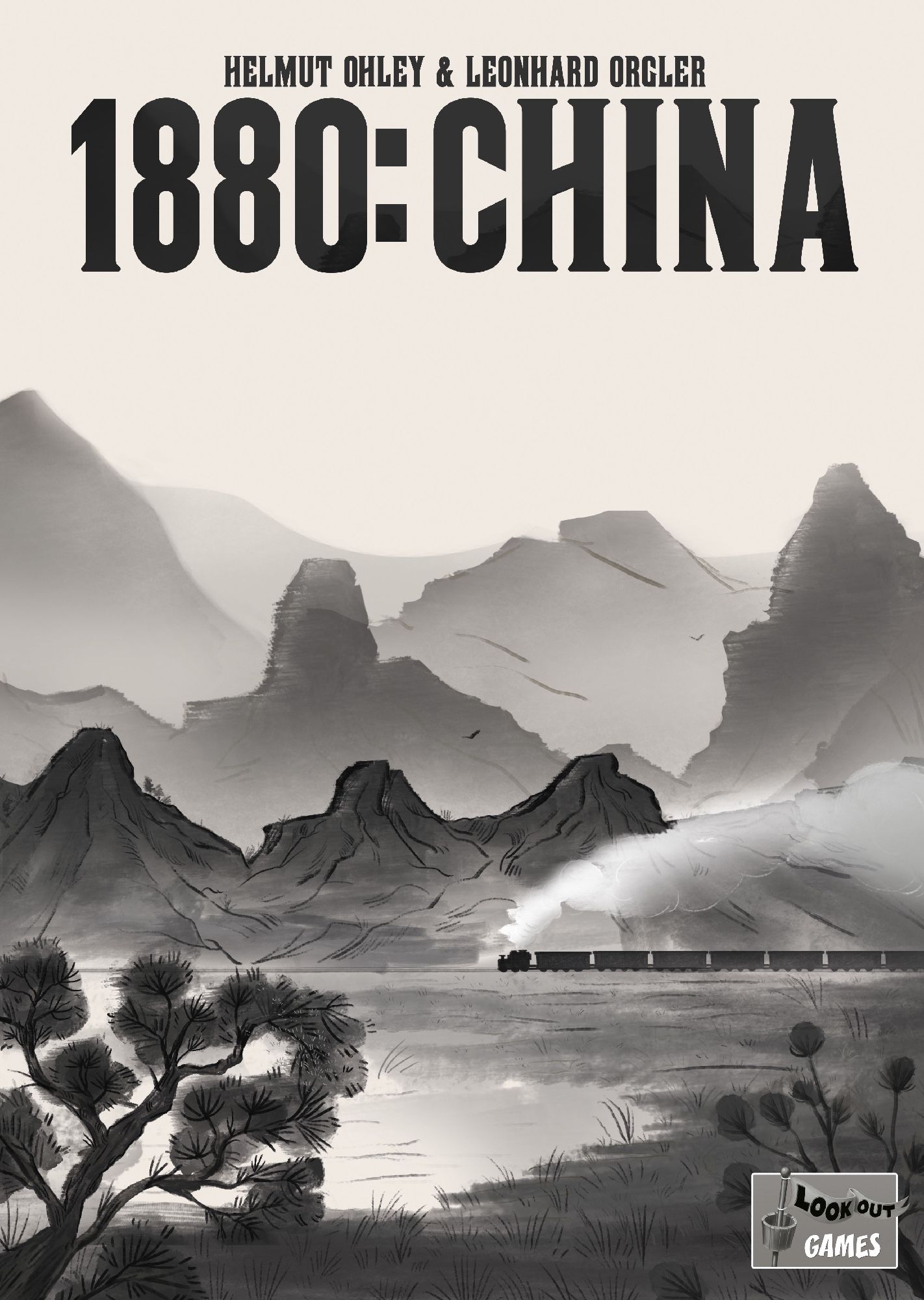
If you think the financial market is a headache, grab some coffee because 1880: China is about to put you to the test! This isn't just any train game; we're talking about a classic 18xx title that drops you straight into 19th-century China. Here, you aren't just a train operator—you are a true railway tycoon. The goal is simple in theory but brutal in practice: accumulate as much wealth as possible by combining your cash with the value of your shares in various railway companies.
To win, you'll need to master two distinct worlds: railway operations and stock market speculation. You will build networks, expand routes, and ensure your trains run efficiently to generate profit. But don't expect it to be easy. You'll be buying and selling shares of historical Chinese railway companies, constantly trying to sell at the peak and buy at the bottom. This version introduces some clever innovations compared to its predecessors, such as a turn order system that remains stable regardless of stock price fluctuations, adding a deep layer of strategic planning. Additionally, the ratio between stock rounds and operating rounds is player-driven, creating a dynamic pace that can shift from frantic to tense in an instant.
This is a heavy-hitter, both in terms of playtime and mental complexity. If you crave deep strategy games where every investment decision could mean total victory or complete bankruptcy, 1880: China is your playground. Get ready for a high-stakes economic experience where history and mathematics collide to decide who will rule the Chinese railway empire.
To win, you'll need to master two distinct worlds: railway operations and stock market speculation. You will build networks, expand routes, and ensure your trains run efficiently to generate profit. But don't expect it to be easy. You'll be buying and selling shares of historical Chinese railway companies, constantly trying to sell at the peak and buy at the bottom. This version introduces some clever innovations compared to its predecessors, such as a turn order system that remains stable regardless of stock price fluctuations, adding a deep layer of strategic planning. Additionally, the ratio between stock rounds and operating rounds is player-driven, creating a dynamic pace that can shift from frantic to tense in an instant.
This is a heavy-hitter, both in terms of playtime and mental complexity. If you crave deep strategy games where every investment decision could mean total victory or complete bankruptcy, 1880: China is your playground. Get ready for a high-stakes economic experience where history and mathematics collide to decide who will rule the Chinese railway empire.
Gallery
Box and component photos
Tap any photo to open fullscreen. Photos submitted by the community or publisher.
Rules videos
Learn by watching before you open the box


Best player count
BGG community vote
3
REC
4
BEST
5
REC
6
BEST
7
REC
Soundtrack
Ambience suggested by Melodice
Loading playlist...
Where to Buy
Prices monitored daily
Finding best prices...
Prices unavailable at this time.
Price history — last 6 months (lowest new offer)
Alert enabled!
Join the BoardGamesBot deals group
Get the best board game deals every day — without message spam.
Join the WhatsApp groupGame details
Mechanics, categories, families and credits
Mechanics
Categories
Families
Publisher
Double-O Games, Lookout Games
Designer
Helmut Ohley, Leonhard "Lonny" Orgler
Artist
Sofia Zhong
Community
Data from BoardGameGeek
1,446owners
307wishlist
92want to play
Frequently Asked Questions
Quick answers before you buy
How long does a game last?
Prepare yourself! Games can last around 5 hours, depending on the number of players.
Is it a difficult game?
Yes, it's a heavy game. If you've never played 18xx before, be ready to study the rules thoroughly.
How many players can play?
The game is ideal for 3 to 7 players; more players mean more market chaos!
Do I need to know much about economics?
You don't need to be an economist, but understanding supply, demand, and share value helps immensely.
What makes this 18xx different?
It introduces innovations in turn order and the pace of market rounds, setting it apart from older models.
Other Games You'll Like
Based on mechanics and theme