Alubari: A Nice Cup of Tea — Prices
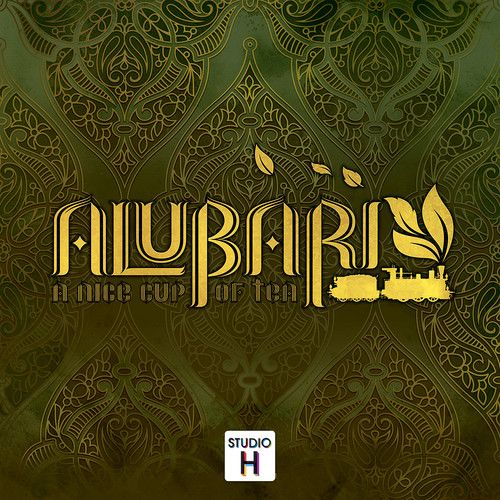
Studio H, Board Game Box, Buró · Board game · 2019Perfect for those who love dense Eurogames with historical themes and enjoy optimizing every single move. The highlight is the integration between tea production and railway construction.
- Immersive and well-explored theme
- Interesting synergy between resources and actions
- Thematically strong components
- Rewarding strategic challenge
- Slightly steep learning curve
- Requires external translations for smooth play
About the game
What you do in a play session
The heart of the game lies in workforce management. Through a worker placement system, you must decide where to invest your efforts: will you focus on cultivating and harvesting the finest tea leaves to ensure production quality, or would you rather invest in the construction of the Darjeeling Himalayan Railway? The railway, stretching from Siliguri Town to the summit at Ghum, is pivotal, and those who contribute most to the construction and the growth of towns along the way will gain a massive edge in the final scoring.
But it's not just about planting and building. There's a crucial detail: the Chai! You can use your harvested tea leaves to brew a proper cup of tea for your workforce. This isn't just for flavor; giving an energy boost to your team allows your actions to be much more efficient, adding strategic layers of optimization to your turn.
As part of the Snowdonia family, the title brings that robust Eurogame feel where every placement decision matters. You'll need to balance the maintenance of your tea gardens with the ambition of becoming the region's greatest infrastructure contributor. In the end, the winner is the player who achieves the best combination of prosperous gardens, developed towns, and railway influence. It's a game of strategy, planning, and, of course, plenty of tea to keep the momentum going!
Gallery
Box and component photos
Tap any photo to open fullscreen. Photos submitted by the community or publisher.
Rules videos
Learn by watching before you open the box
In English


Best player count
BGG community vote
Soundtrack
Ambience suggested by Melodice
Where to Buy
Prices monitored daily
Price history — last 6 months (lowest new offer)
As an Amazon Associate I earn from qualifying purchases. Prices and availability subject to change.
Alert enabled!
Join the BoardGamesBot deals group
Get the best board game deals every day — without message spam.
Join the WhatsApp groupGame details
Mechanics, categories, families and credits
Mechanics
Categories
Families
Community
Data from BoardGameGeek
Frequently Asked Questions
Quick answers before you buy
Is the game too complex?
How long does a game last?
Does it work well in solo mode?
Is there a lot of text on the components?
What is the main mechanic?
Other Games You'll Like
Based on mechanics and theme