Bruxelles 1893 — Price & soundtrack
Pearl Games, asmodee, Heidelberger Spieleverlag · Board game · 2013
2–5 · best 4
50–125 min
Weight 3.6/5
Buy · from US$ 5.62
100.0
rating
Ludopedia
7.6
rating
BGG
Our Verdict
FOR GENRE FANS
Perfect for those who love dense Eurogames with a sophisticated theme and risk management. The highlight is the tension between financial cost vs. losing workers.
Highlights
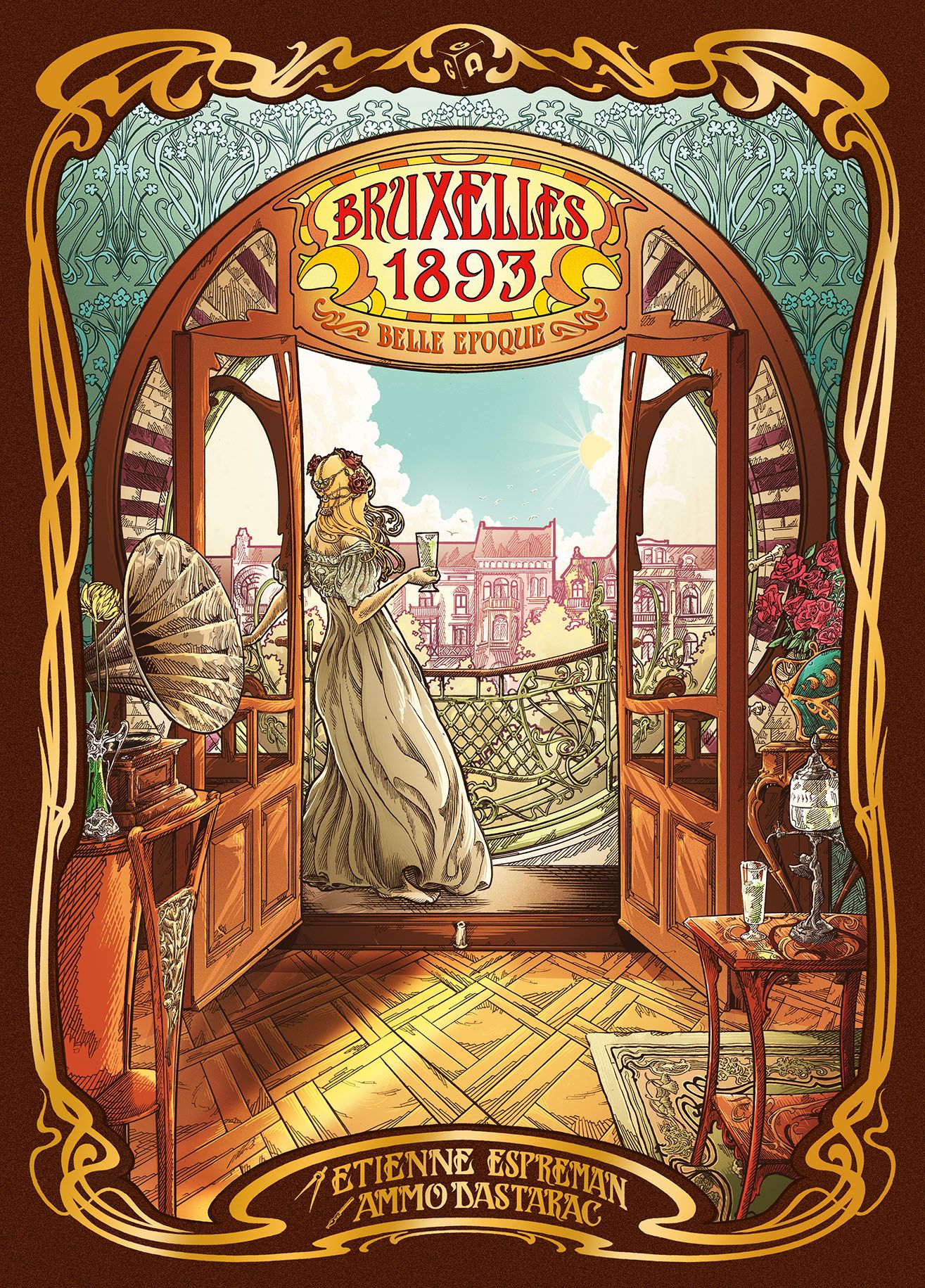
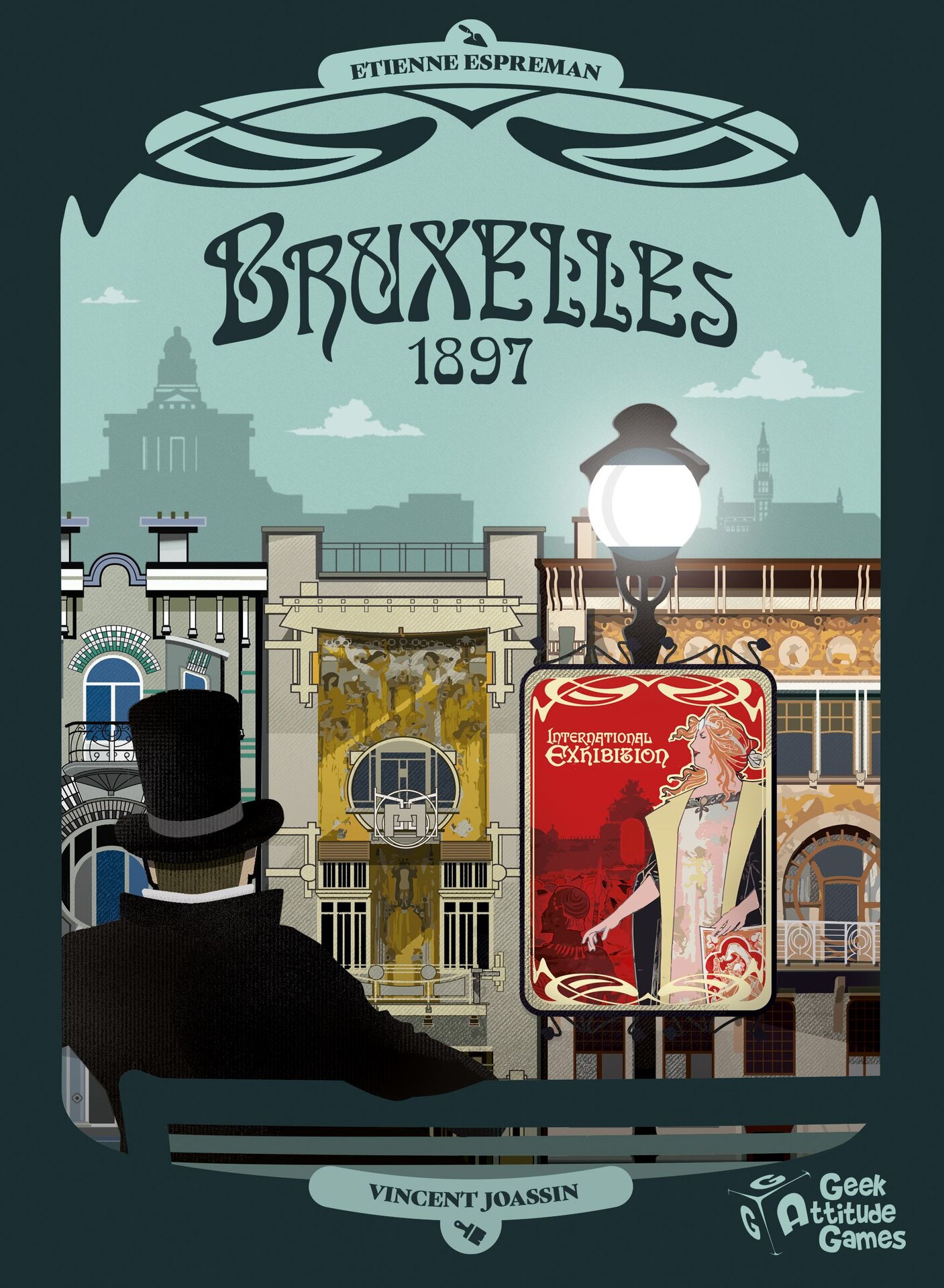
- Beautiful Art Nouveau theme
- Intriguing risk management
- Dynamic modular board
- Tight economic systems
Keep in mind
- Steep learning curve
- Can be punishing for beginners
Rules manual not indexed yet
Upload the PDF rulebook to ask questions about this game with AI.
About the game
What you do in a play session
Imagine yourself as a visionary architect in the late 19th century, striving to leave your mark on the world through the elegance of Art Nouveau. In Bruxelles 1893, your goal is to construct the most impressive architectural work in Brussels, but to achieve this, you'll need more than just talent: you'll need money, connections, and impeccable management of your workers.
The game blends worker placement with a modular board, meaning available actions shift, and you won't always have access to everything you want exactly when you need it. Risk management is key here. There are 'safe' actions that cost money (such as acquiring high-quality materials or finding patrons), and then there are 'free' actions that might come at a high price: you might get what you want without spending a dime, but you risk losing one of your workers in the process. Is the gamble worth it?
Beyond the main construction, you can create works of art to gain prestige and extra points. The game flow is dynamic: after the action phase, an art exhibition takes place where you attempt to sell your creations to raise cash or increase your status. The final score is a combination of everything you've achieved: your architect level, accumulated bonus cards, the quality of your completed work, and the money left in your pocket. It's an economic strategy game where every decision carries weight, requiring you to balance artistic ambition with the financial realities of the era. If you enjoy games where efficiency is everything and the theme is sophisticated, this is the game for you.
The game blends worker placement with a modular board, meaning available actions shift, and you won't always have access to everything you want exactly when you need it. Risk management is key here. There are 'safe' actions that cost money (such as acquiring high-quality materials or finding patrons), and then there are 'free' actions that might come at a high price: you might get what you want without spending a dime, but you risk losing one of your workers in the process. Is the gamble worth it?
Beyond the main construction, you can create works of art to gain prestige and extra points. The game flow is dynamic: after the action phase, an art exhibition takes place where you attempt to sell your creations to raise cash or increase your status. The final score is a combination of everything you've achieved: your architect level, accumulated bonus cards, the quality of your completed work, and the money left in your pocket. It's an economic strategy game where every decision carries weight, requiring you to balance artistic ambition with the financial realities of the era. If you enjoy games where efficiency is everything and the theme is sophisticated, this is the game for you.
Gallery
Box and component photos
Tap any photo to open fullscreen. Photos submitted by the community or publisher.
Rules videos
Learn by watching before you open the box


Best player count
BGG community vote
2
REC
3
REC
4
BEST
5
REC
Soundtrack
Ambience suggested by Melodice
Loading playlist...
Where to Buy
Prices monitored daily
Finding best prices...
Prices unavailable at this time.
Price history — last 6 months (lowest new offer)
Alert enabled!
Join the BoardGamesBot deals group
Get the best board game deals every day — without message spam.
Join the WhatsApp groupGame details
Mechanics, categories, families and credits
Mechanics
Categories
Families
Publisher
Pearl Games, asmodee, Heidelberger Spieleverlag, uplay.it edizioni, Z-Man Games
Designer
Etienne Espreman
Artist
Alexandre Roche
Community
Data from BoardGameGeek
6,585owners
1,602wishlist
344want to play
Frequently Asked Questions
Quick answers before you buy
Is the game very complex?
Yes, it's considered an 'Expert' game. If you're used to modern Euros, you'll be fine, but it might be a steep jump for beginners.
How long does a game take?
It varies, from 50 minutes with experienced players to up to 2 hours in more contested games or when learning.
Does it work well with 2 players?
Yes, the game supports 2 to 5 players, maintaining competitive tension even in a duo.
What happens if I lose a worker?
Losing a worker reduces your ability to perform actions in subsequent rounds, which can delay your construction plans.
Is the game language dependent?
No, the game has very little text, making it language independent.
Who would I recommend this game to?
To those who enjoy resource management, worker placement, and historical or artistic themes.
Other Games You'll Like
Based on mechanics and theme