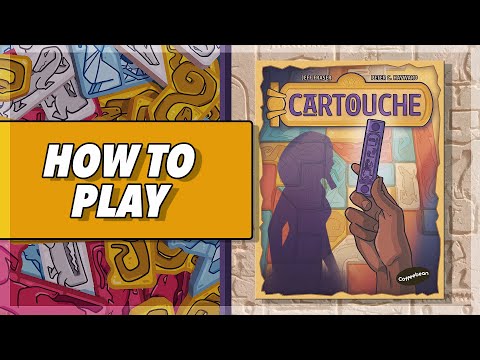
Cartouche
Coffeebean Games, Blue Beard Entertainment · Board game · 2023- Ludopedia
- BoardGameGeek
- Players
- 1–4 · best 3, 4
- Players
- Solo
- Play Time
- 20–80 min
- Weight
- Weight 2.2/5
- Year
- Year 2023
- Minimum age
- Minimum age 14+
Cartouche is an elegant tile-placement game that forces you to think outside the box by making empty spaces just as valuable as filled ones. The simultaneous drafting keeps the table engaged with a snappy pace, making it a perfect pick for those who enjoy historical puzzles without unnecessary complexity. It’s a highly satisfying experience that scales well, including a solid solo mode.
- Innovative empty-space scoring mechanic
- Snappy, simultaneous gameplay pace
- Immersive and thematic artwork
- Well-integrated solo mode
- Can feel repetitive after many plays
- Indirect player interaction only
About the game
What you do in a play session
The gameplay loop is smooth and divided into three clear phases. First, there’s the draft, where you pick story cards and mural tiles to build your board. Then, everyone places their tiles simultaneously, which keeps the momentum high and avoids that frustrating downtime where you're just waiting for others to finish their turns. Finally, scoring happens simultaneously, rewarding those who best organized their space and met the game's objectives. It’s a game that requires careful planning but doesn't feel overly taxing, making it perfect for those looking for a light-to-medium weight challenge.
With art that captures the essence of Ancient Egypt and a highly satisfying tile-placement mechanic, Cartouche shines by balancing competition with the joy of seeing your mural come together. Since the game ends when the story deck runs out, you always feel the pressure to optimize every turn. It’s a great experience whether you’re playing with friends or tackling it solo, as the solitaire mode is well-integrated. If you enjoy games that blend drafting with tile placement and want a well-themed historical experience, Cartouche is an excellent addition to your collection.
Gallery
Box and component photos
Tap any photo to open fullscreen. Photos submitted by the community or publisher.
Rules videos
Learn by watching before you open the box
In English
Best player count
BGG community vote
Soundtrack
Ambience suggested by Melodice
Where to Buy
Prices monitored daily
Price history — last 6 months (lowest new offer)
As an Amazon Associate I earn from qualifying purchases. Prices and availability subject to change.
Alert enabled!
Join the BoardGamesBot deals group
Get the best board game deals every day — without message spam.
Join the WhatsApp groupGame details
Mechanics, categories, families and credits
Mechanics
Categories
Families
Community
Data from BoardGameGeek
Frequently Asked Questions
Quick answers before you buy
Does it work well as a solo game?
How long does an average game take?
Is it difficult to learn?
How many players can play?
Is there a lot of direct player interaction?
Is the archaeology theme well-represented?
Other Games You'll Like
Based on mechanics and theme