Christmas Tree — Prices
Clevergreen Board Games, Nasza Księgarnia · Board game · 2017
2–4 · best 4
30–45 min
Weight 2.1/5
Buy · from US$ 27.90
—
rating
Ludopedia
7.1
rating
BGG
Our Verdict
RECOMMENDED
If you enjoy light, family-friendly games with a super cute Christmas theme, Christmas Tree is the perfect choice to gather everyone and compete for the most beautiful tree!
Highlights
- Charming Christmas theme
- Easy to learn
- Fun interaction
- Lovely production
- Good for all ages
Keep in mind
- Can be a bit repetitive
- Lighter strategy
- Best with 3-4 players
Rules manual not indexed yet
Upload the PDF rulebook to ask questions about this game with AI.
About the game
What you do in a play session
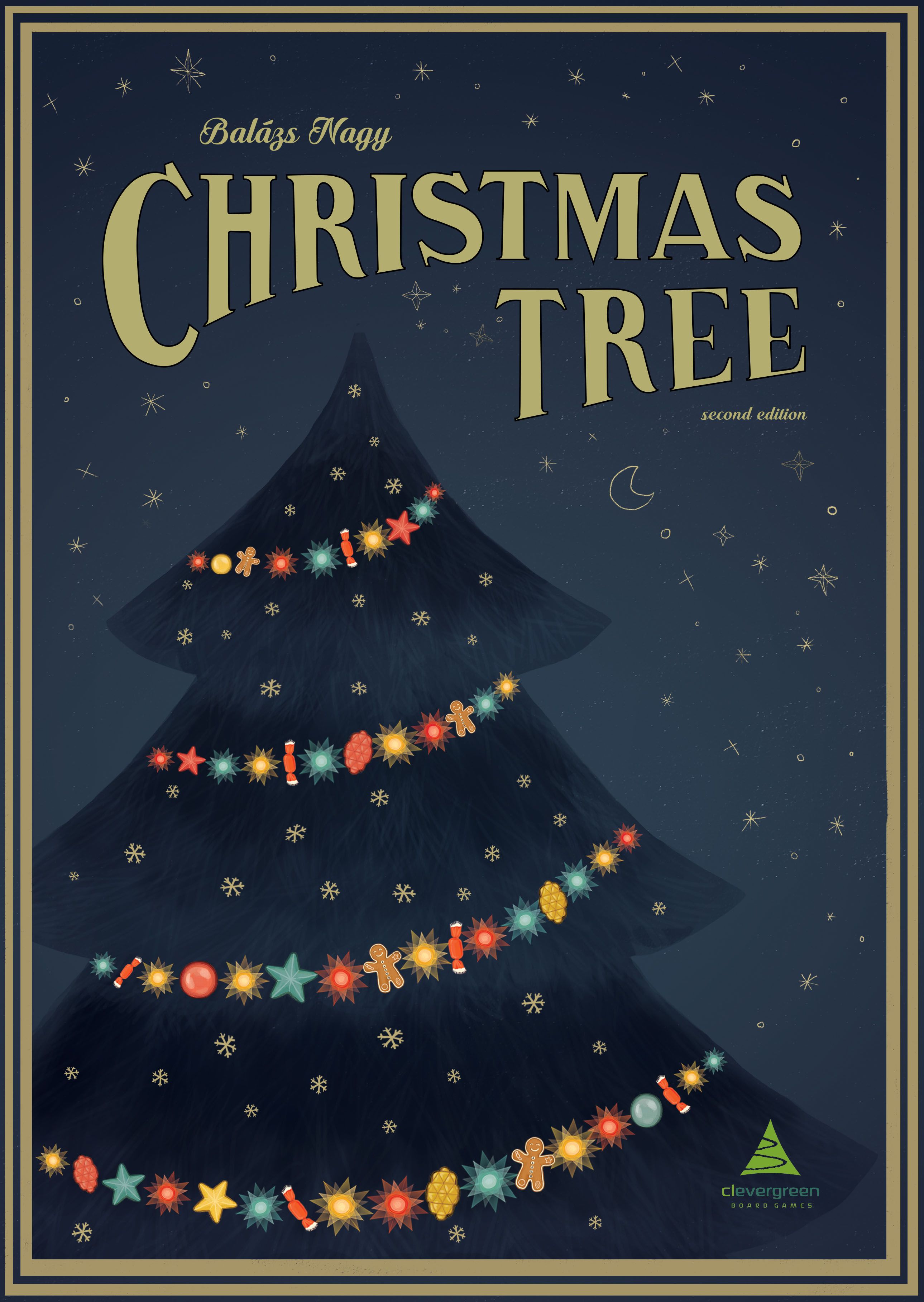
Embark on a quest to have the most dazzling Christmas tree in Christmas Tree, a charming card game that invites 2 to 4 players to a festive decorating competition! Here, the idea is simple but full of strategy: each participant assembles and adorns their own tree, seeking the most valuable ornaments and combining them cleverly. But don't think it's just about looking at your side of the table; the trick is to keep an eye on what everyone else is doing, because the trees are evaluated multiple times throughout the game and, of course, at the end. Whoever has the most beautiful and valuable tree, full of points, takes the victory!
The game is a delight for the whole family, from the little ones to more experienced players who enjoy a light strategic challenge. The dynamics involve open drafting of ornament cards, set collection of specific items to maximize your score, and simultaneous action selection, which adds a touch of tension and foresight. Plus, the tile placement (the ornaments on your tree) is super intuitive. Inside the box, you'll find individual player boards, a bunch of varied ornament cards (glass baubles, gingerbreads, wrapped candies), objective cards that guide your strategy, and score tokens to keep track of who's ahead. Oh, and if you get the second edition, you'll notice the score tracker has been replaced by score tokens, which is a nice touch! Get ready for a Christmas full of strategy and decorations!
The game is a delight for the whole family, from the little ones to more experienced players who enjoy a light strategic challenge. The dynamics involve open drafting of ornament cards, set collection of specific items to maximize your score, and simultaneous action selection, which adds a touch of tension and foresight. Plus, the tile placement (the ornaments on your tree) is super intuitive. Inside the box, you'll find individual player boards, a bunch of varied ornament cards (glass baubles, gingerbreads, wrapped candies), objective cards that guide your strategy, and score tokens to keep track of who's ahead. Oh, and if you get the second edition, you'll notice the score tracker has been replaced by score tokens, which is a nice touch! Get ready for a Christmas full of strategy and decorations!
Gallery
Box and component photos
Tap any photo to open fullscreen. Photos submitted by the community or publisher.
Best player count
BGG community vote
2
REC
3
REC
4
BEST
Soundtrack
Ambience suggested by Melodice
Loading playlist...
Where to Buy
Prices monitored daily
Finding best prices...
Prices unavailable at this time.
Price history — last 6 months (lowest new offer)
Alert enabled!
Join the BoardGamesBot deals group
Get the best board game deals every day — without message spam.
Join the WhatsApp groupGame details
Mechanics, categories, families and credits
Mechanics
Categories
Families
Publisher
Clevergreen Board Games, Nasza Księgarnia
Designer
Nagy Balázs
Artist
Keve Kepes, Marcin Minor, Nagy Balázs, Vörös Judit
Community
Data from BoardGameGeek
1,147owners
361wishlist
77want to play
Frequently Asked Questions
Quick answers before you buy
How many players can play Christmas Tree?
The game is designed for 2 to 4 players, making it perfect for a family game night or a gathering with friends.
What is the average game length?
A game of Christmas Tree typically lasts between 30 and 45 minutes, just enough time for quick and engaging fun without overstaying its welcome.
Is it a complex game? Who is it for?
It's not complex at all! With a BGG weight of 2.14, it's accessible for children and adults, families, and even more experienced players looking for something lighter. It's easy to learn but offers interesting strategic choices.
What are the main components of the game?
You'll find individual player boards, plenty of varied ornament cards (baubles, gingerbread, wrapped candies), objective cards to guide your strategy, and score tokens to keep track of points.
Are there any differences between game editions?
Yes, the second edition replaced the single point tracker with individual score tokens of different values, which is a minor usability improvement.
Does the game have language dependency?
No, the language dependency is minimal. Objective cards might have some text, but the game is mostly visual and symbols are very intuitive, making it accessible to everyone.
Other Games You'll Like
Based on mechanics and theme