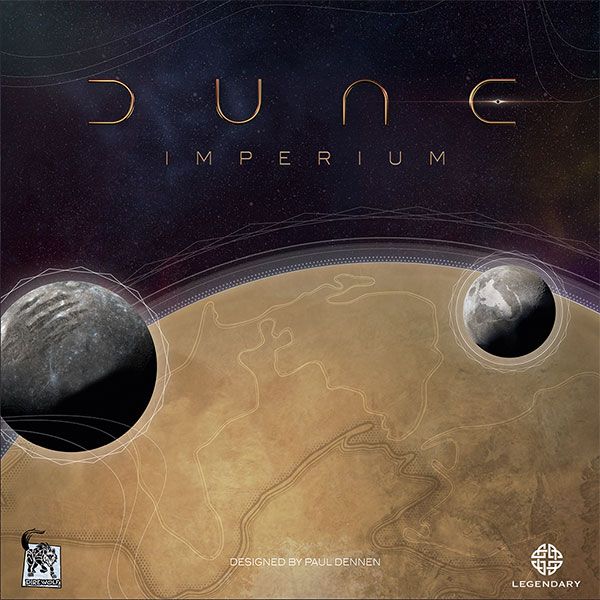
Dune: Imperium
Dire Wolf, Arclight Games, Broadway Toys LTD · Board game · 2020What do you want to do now
Ask anything about Dune: Imperium: rules, setup, components, complexity, price, or whether it fits your group.
If you're a fan of strategic depth and the Dune universe, Dune: Imperium offers a compelling blend of worker placement and deck-building that will keep you engaged. It's a fantastic way to experience the struggle for Arrakis on your tabletop.
- Seamless blend of worker placement and deck-building
- Engaging strategic choices with unique leaders
- Strong thematic integration with Dune universe
- High replayability through varied card acquisition
- Initial learning curve for new mechanics
- Player count impacts strategic feel
About the game
What you do in a play session
Each player begins with a unique leader and an identical starting deck. As the game progresses, your choices in acquiring new cards will shape your strategies, defining your strengths and weaknesses. Cards are the key to sending your Agents to different locations on the game board, meaning your deck's evolution directly impacts your tactics. You might focus on military might, dominating conflicts with more troops, or seek influence with the four political factions in the game: the Emperor, the Spacing Guild, the Bene Gesserit, and the Fremen.
Unlike many deck-building games, you don't play your entire hand at once here. Each round, you draw a hand of cards and take turns with other players, performing one Agent turn at a time—that is, playing one card to place one of your Agents on the board. When you have no more Agents to place, it's time for the Reveal phase. You reveal the remaining cards in your hand, which will provide Persuasion (to acquire more cards) and Swords (to strengthen your troops in the round's conflicts). Defeat your rivals in combat, shrewdly navigate political intrigues, and collect valuable cards. The Spice must flow to lead your House to victory!
Expansions
Published additional content
 Dune: Imperium – Bloodlines
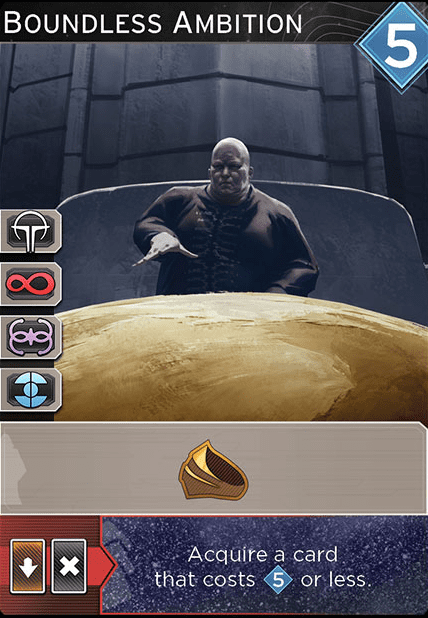 Dune: Imperium – Boundless Ambition Promo Card
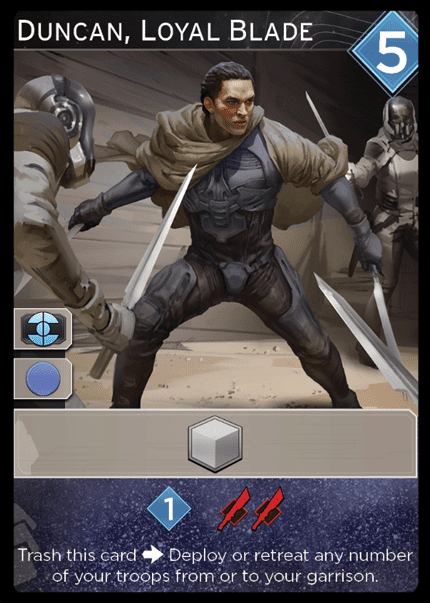 Dune: Imperium – Duncan, Loyal Blade Promo Card
 Dune: Imperium – Immortality
 Dune: Imperium – Jessica of Arrakis Promo Card
 Dune: Imperium – Piter, Genius Advisor Promo Card
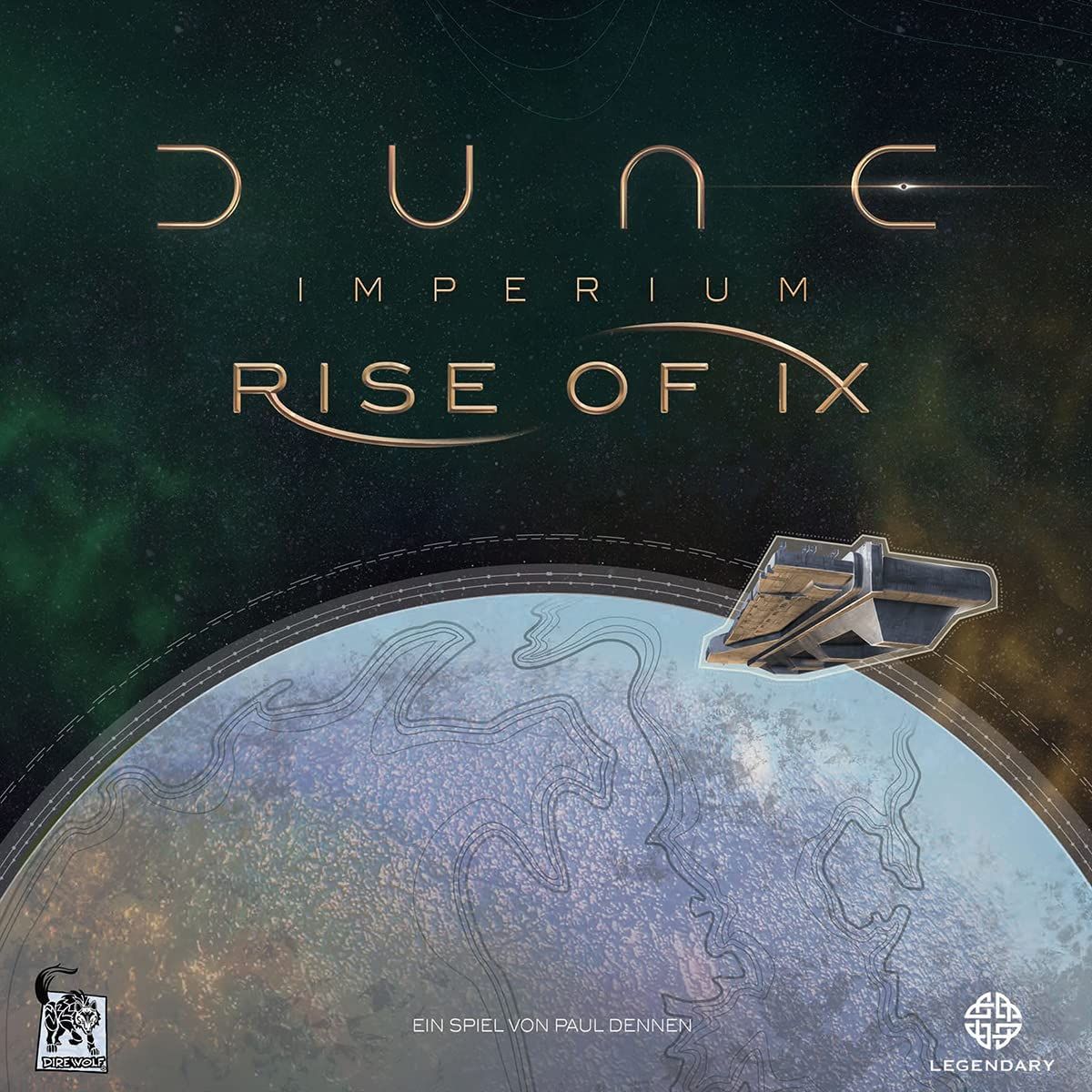 Dune: Imperium – Rise of Ix
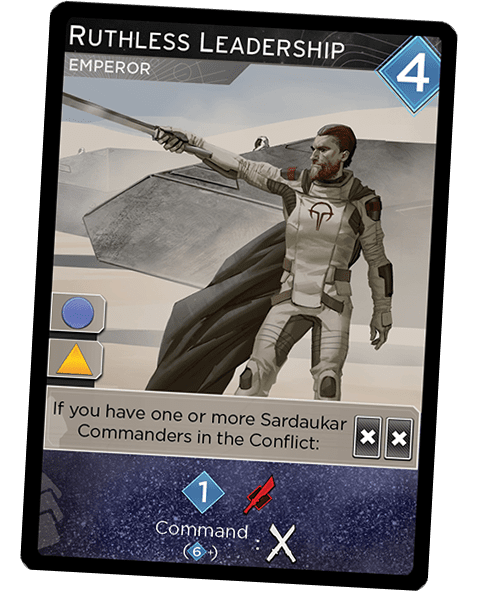 Dune: Imperium – Ruthless Leadership Promo Card
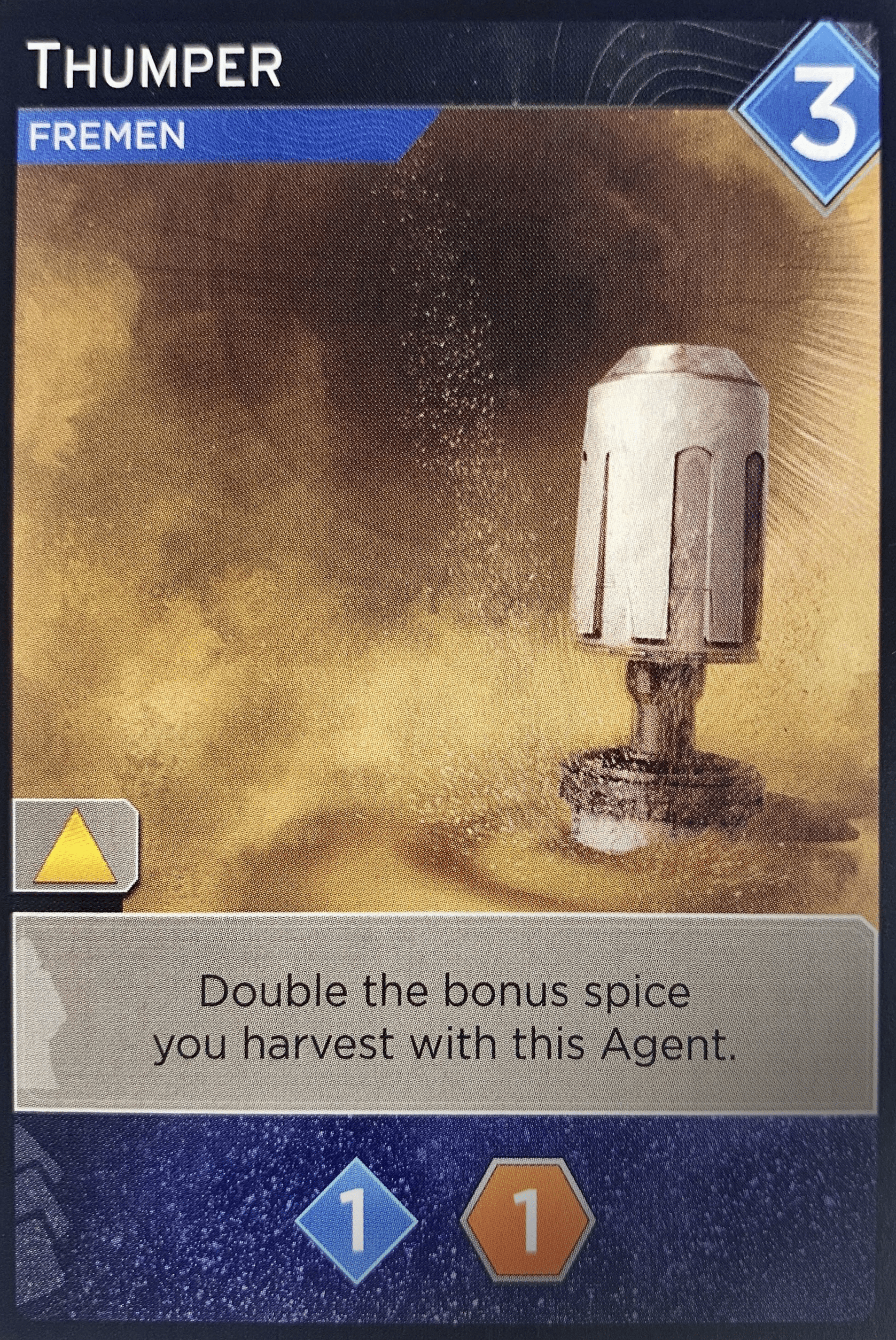 Dune: Imperium – Thumper Promo Card
Gallery
Box and component photos
Tap any photo to open fullscreen. Photos submitted by the community or publisher.
Rules videos
Learn by watching before you open the box
In English
-
 How to Play Dune Imperium in 14 Minutes
-
 Learn how to play Dune Imperium better and faster
-
 Dune: Imperium Rules Challenge
-
 Dune Imperium Solo & 2-Player: How to Play and Tips
-
 Dune Imperium: Basic Strategy to Help You Win
-
 How does Fremen Bond work?
-
 Dune Imperium Rules Refresh
-
 Dune: Imperium | Part 2: how to play | JLTEI
-
 How to Solo: Dune Imperium + Rise of Ix Expansion
-
 Dune Imperium - Strategy Overview
-
 Dune: Imperium | Part 1: game set up | JLTEI
-
 DUNE: IMPERIUM - DELUXE UPGRADE PACK | Showcase
Rules manual
Official PDF file
Best player count
BGG community vote
Soundtrack
Ambience suggested by Melodice
Where to Buy
Prices monitored daily
Price history — last 6 months (lowest new offer)
As an Amazon Associate I earn from qualifying purchases. Prices and availability subject to change.
Alert enabled!
Join the BoardGamesBot deals group
Get the best board game deals every day — without message spam.
Join the WhatsApp groupGame details
Mechanics, categories, families and credits
Mechanics
Categories
Families
Community
Data from BoardGameGeek
Frequently Asked Questions
Quick answers before you buy
How many players can play Dune: Imperium?
What is the average game length?
What is the complexity level of the game?
Do I need to know the Dune universe to play?
What are the main components of the game?
Does Dune: Imperium have a solo mode?
Is there a lot of player interaction in the game?
Other Games You'll Like
Based on mechanics and theme