—
rating
Ludopedia
7.5
rating
BGG
Our Verdict
RECOMMENDED
If you love drawing your own routes and battling intense auctions, Funkenschlag delivers that classic charm.
Highlights
- Free‑hand network drawing
- Strategic bidding
- Deep resource management
Keep in mind
- Blank board, no fixed map
- Long play time
Rules manual not indexed yet
Upload the PDF rulebook to ask questions about this game with AI.
About the game
What you do in a play session
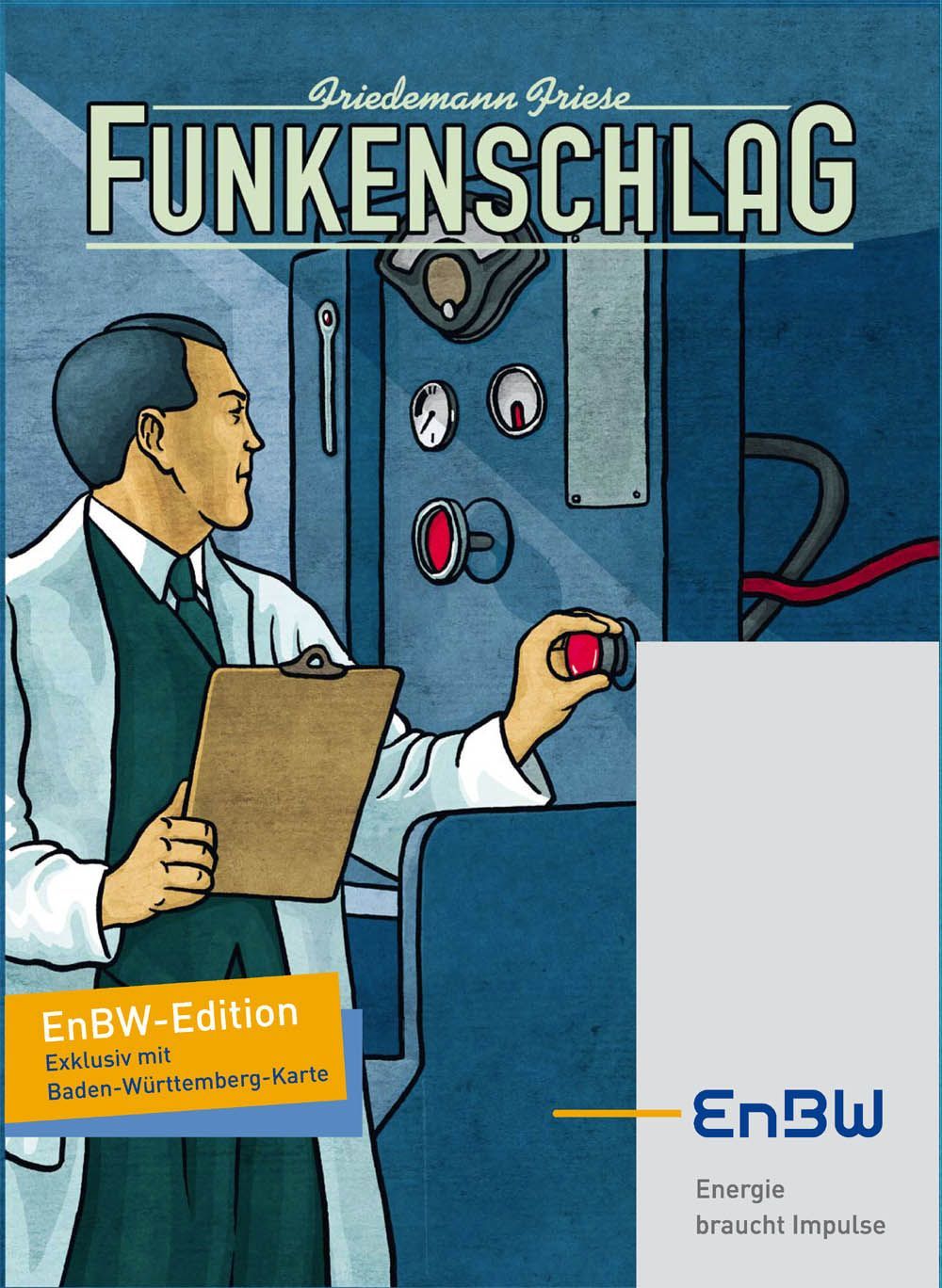
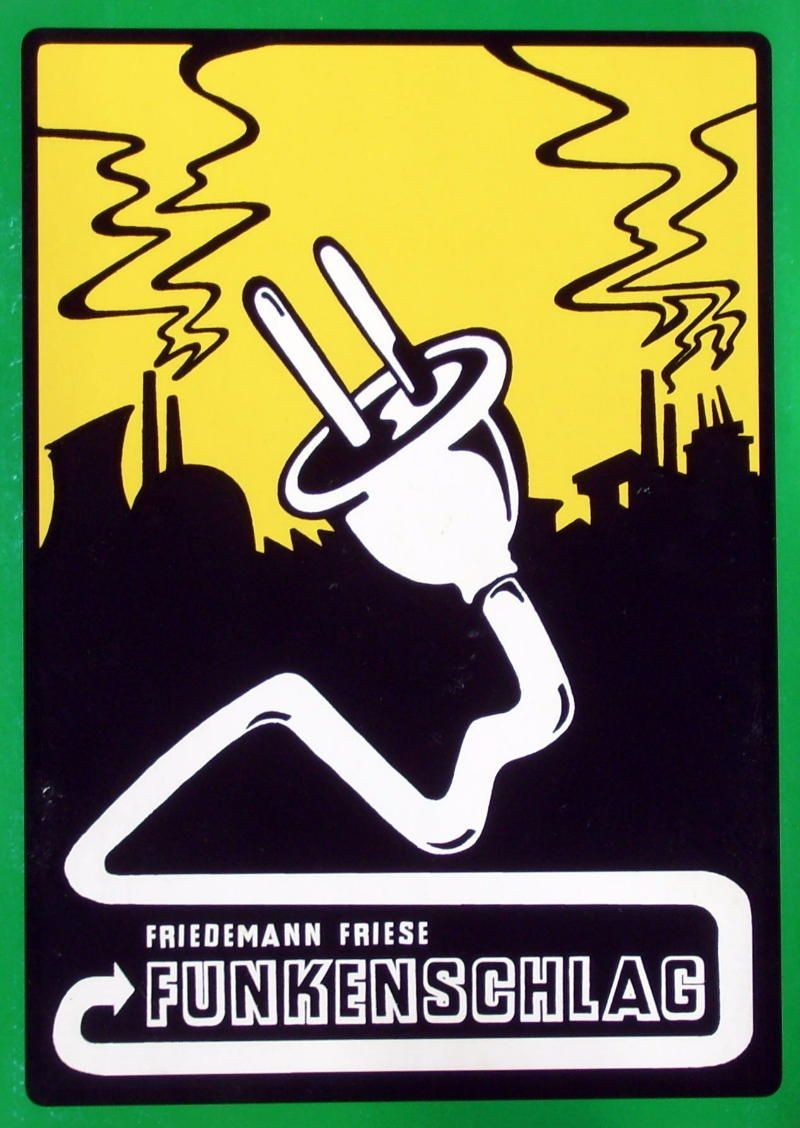
Funkenschlag was the debut of 2F‑Spiele in 2001 and eventually became the game we now know as Power Grid. At the start of each match, players draw, with pencil and ruler, the lines that will connect cities scattered across the board. This freedom to sketch routes adds a handcrafted feel that the modern edition lacks, but it still gives the game a distinctive artisanal character. Once the network is in place, the race to purchase power plants begins: they are auctioned, so the highest bidder (in money or resources) claims the plant. Each plant runs on a specific fuel – coal, oil, trash, uranium, or renewables – and players must buy those resources from a market whose prices shift each round. The ultimate goal is to supply the most cities, paying connection fees and keeping the grid powered. Unlike later versions, the board isn’t fixed; there are no country maps, so each group creates its own map, leading to wildly different strategies from game to game. The game is moderately heavy (weight 3.5/5), but the learning curve is gentle: grasping the auction and resource management takes a few plays, while mastering route optimisation can take many. The original edition was limited to just 500 copies, making it a collector’s item. Components include a blank board, city tokens, power‑plant cards, resource markers and money. A typical session lasts about three hours, perfect for those who enjoy a deep economic challenge without a rush. If you like mixing network planning, tense bidding and investment decisions, Funkenschlag delivers a unique experience that still holds up despite the more polished later editions.
Gallery
Box and component photos
Tap any photo to open fullscreen. Photos submitted by the community or publisher.
Best player count
BGG community vote
2
OK
3
REC
4
BEST
5
BEST
6
REC
Soundtrack
Ambience suggested by Melodice
Loading playlist...
Where to Buy
Prices monitored daily
Finding best prices...
Prices unavailable at this time.
Price history — last 6 months (lowest new offer)
As an Amazon Associate I earn from qualifying purchases. Prices and availability subject to change.
Alert enabled!
Join the BoardGamesBot deals group
Get the best board game deals every day — without message spam.
Join the WhatsApp groupGame details
Mechanics, categories, families and credits
Mechanics
Categories
Families
Publisher
2F-Spiele
Designer
Friedemann Friese
Artist
Maren Rache, PeKa
Community
Data from BoardGameGeek
1,323owners
166wishlist
30want to play
Frequently Asked Questions
Quick answers before you buy
How many players can join?
2 to 6 players, with 4‑5 being the sweet spot for balanced competition and playtime.
How long does a game last?
Approximately 180 minutes, though it can vary with player count and familiarity with the rules.
What is the complexity level?
Weight 3.5/5 – easy to learn rules but deep strategic depth requiring planning.
What components are included in the box?
Blank board, city tokens, power‑plant cards, resource markers, money and connection pieces.
Is any language required to play?
No, the game is language‑independent; all components are symbolic, so it can be played in any language.
Can I use the modern Power Grid version instead?
Yes, the core mechanics are the same, but the hand‑drawn network aspect is lost in the revised edition.
Is it suitable for beginners?
Beginners can learn the basics quickly, but the three‑hour runtime may be demanding for those preferring short sessions.
Other Games You'll Like
Based on mechanics and theme