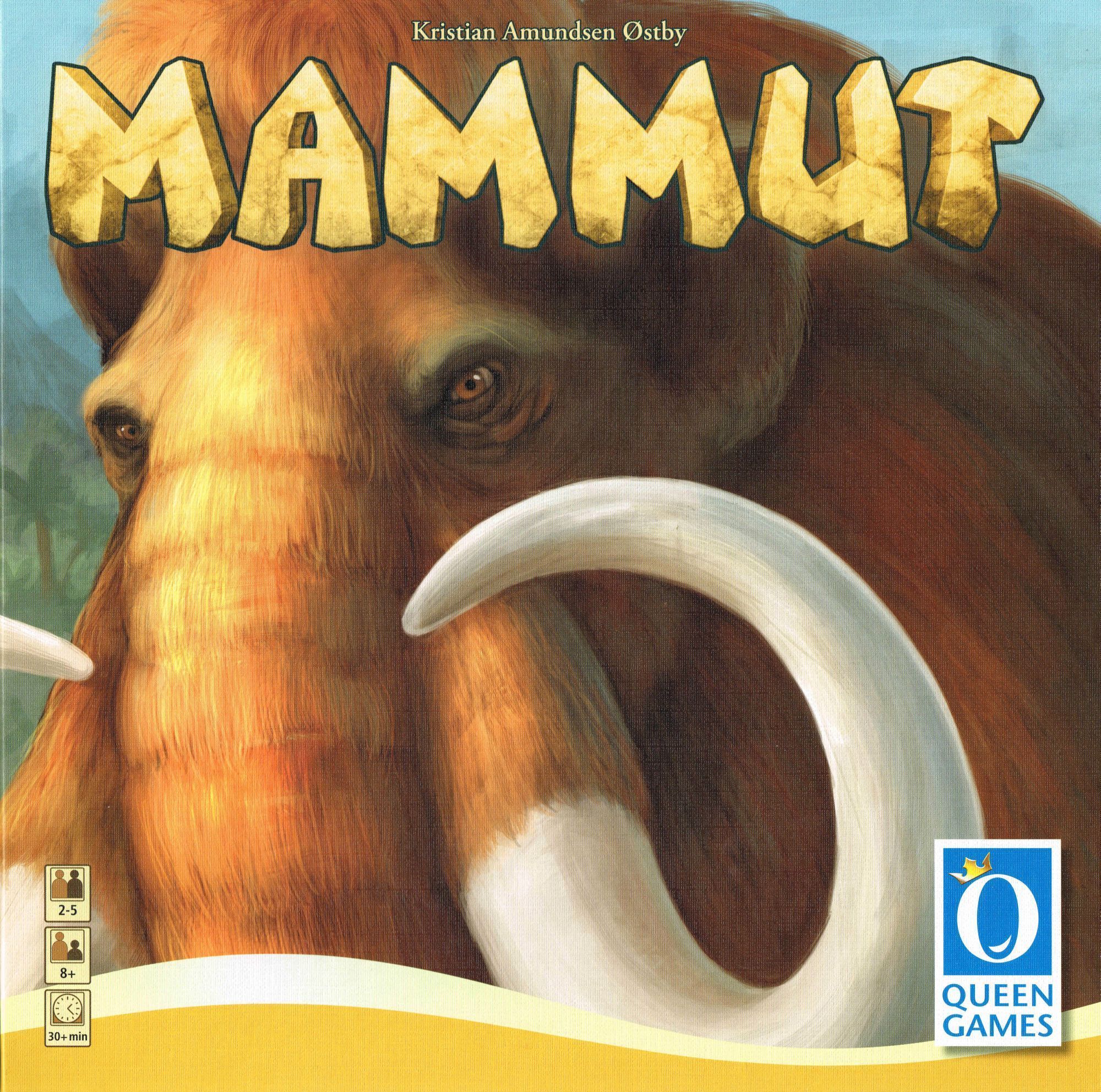
If you enjoy quick games with a dash of negotiation and clever divisions, Mammut might be your new favorite! It's that game that makes you think about how to grab the best without letting others get too much.
- Tense spoils division
- Quick and clever strategy
- Direct player interaction
- Easy to learn and play
- Can generate some "take that"
- Luck in tile draw
- Scoring can be tricky
About the game
What you do in a play session
The division mechanic is the heart of Mammut. Each round, tiles representing the hunt's spoils are tossed onto the table. On your turn, you have two options: take any number of tiles you want, or accuse the previous player of greed and take all their tiles, but with the obligation to return one to the table. This dance of taking and returning continues until the last player without tiles takes what's left. It sounds simple, but the complexity arises in the choices: which tiles to take? When to accuse someone? And most importantly, how to ensure you get the sets that score the most points at the end?
Besides the division, you can use cards for immediate effects or to secretly influence the scoring. Managing your hand of cards and anticipating others' moves is crucial to emerge as the tribe's greatest hunter. Mammut is a light game, perfect for families and for those who enjoy a good dose of interaction and strategy without it dragging on. With games lasting around 30 minutes, it's ideal for kicking off a game night or for a quick match among friends.
Gallery
Box and component photos
Tap any photo to open fullscreen. Photos submitted by the community or publisher.
Best player count
BGG community vote
Soundtrack
Ambience suggested by Melodice
Where to Buy
Prices monitored daily
Price history — last 6 months (lowest new offer)
As an Amazon Associate I earn from qualifying purchases. Prices and availability subject to change.
Alert enabled!
Join the BoardGamesBot deals group
Get the best board game deals every day — without message spam.
Join the WhatsApp groupGame details
Mechanics, categories, families and credits
Mechanics
Categories
Families
Community
Data from BoardGameGeek
Frequently Asked Questions
Quick answers before you buy
What type of player is Mammut for?
How long does a game take?
What is the game's complexity?
Do you need to talk a lot to play?
Are the components in English?
Is it a competitive or cooperative game?
Is it worth it for someone who already owns many 'divide and choose' games?
Other Games You'll Like
Based on mechanics and theme