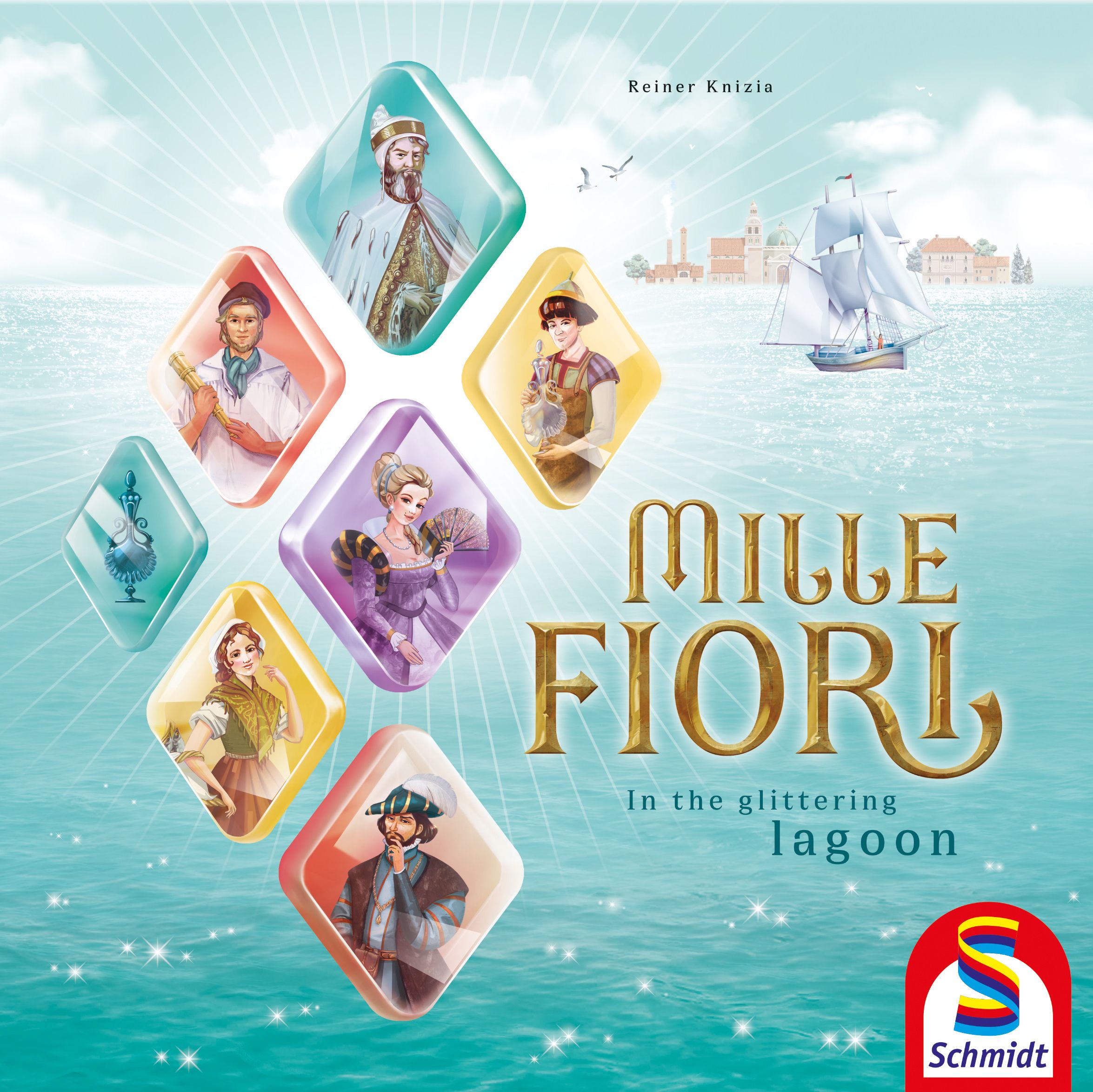
Mille Fiori — Prices
Schmidt Spiele, 999 Games, Devir · Board game · 2021
2–4 · best 4
60–90 min
Weight 2.2/5
Buy · from US$ 22.06
8.3
rating
Ludopedia
7.4
rating
BGG
Our Verdict
RECOMMENDED
Perfect for those who love positioning games with clever combos and an elegant theme. The cascading bonus system is the icing on the cake.
Highlights
- Very satisfying bonus combos
- Intelligent and varied board design
- Dynamic draft keeps the pace
- Elegant and thematic components
Keep in mind
- Initial learning curve for scoring rules
- Moderate dependence on card luck
Rules manual not indexed yet
Upload the PDF rulebook to ask questions about this game with AI.
About the game
What you do in a play session
Imagine yourself as a master glassblower in Renaissance Venice, turning sand and pigments into priceless works of art. In Mille Fiori, designed by the legendary Reiner Knizia, your goal is simple: maximize your profits by dominating the glass production cycle. The board represents the production flow, divided into five distinct areas: Workshops (where the magic happens), Residences (where pieces are installed), Townspeople (patrons who support your business), Trade Shops (where glass is sold), and the Harbor (where exports take place).
The gameplay revolves around a closed drafting mechanic. You receive five cards, pick one, and pass the rest to the next player. Each card corresponds to a specific space on the board. When you play a card, you place your diamond-shaped token and score points based on the area's unique rules. In Workshops, you aim for connected groups; in Residences, you build lines; with Townspeople, you climb influence pyramids; in Trade Shops, it's a fight over who covers more goods; and in the Harbor, you move your ship to secure export bonuses.
The game truly shines with its chain reactions. Special conditions allow you to play bonus cards, which can trigger further bonuses, creating satisfying combos. Additionally, there are long-term goals for each area that grant extra points, but be careful: the more players who claim a bonus, the lower the reward becomes for those who arrive late. The game ends when a player runs out of tokens or the deck is exhausted. It's a game of timing, positioning, and the ability to read the table to act at the perfect moment before the space is taken.
The gameplay revolves around a closed drafting mechanic. You receive five cards, pick one, and pass the rest to the next player. Each card corresponds to a specific space on the board. When you play a card, you place your diamond-shaped token and score points based on the area's unique rules. In Workshops, you aim for connected groups; in Residences, you build lines; with Townspeople, you climb influence pyramids; in Trade Shops, it's a fight over who covers more goods; and in the Harbor, you move your ship to secure export bonuses.
The game truly shines with its chain reactions. Special conditions allow you to play bonus cards, which can trigger further bonuses, creating satisfying combos. Additionally, there are long-term goals for each area that grant extra points, but be careful: the more players who claim a bonus, the lower the reward becomes for those who arrive late. The game ends when a player runs out of tokens or the deck is exhausted. It's a game of timing, positioning, and the ability to read the table to act at the perfect moment before the space is taken.
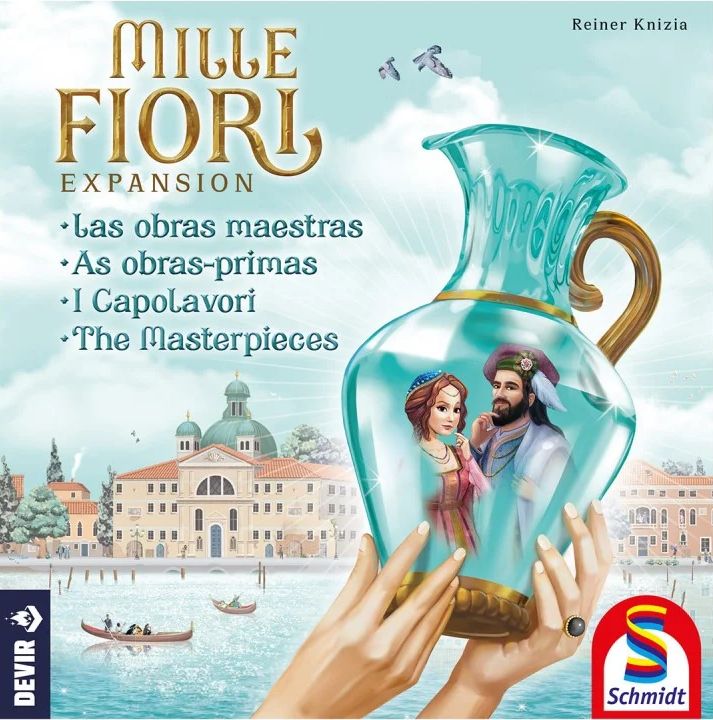
Expansions
Published additional content
Gallery
Box and component photos
Tap any photo to open fullscreen. Photos submitted by the community or publisher.
Rules videos
Learn by watching before you open the box
In English
-
 How To Play Mille Fiori
-
 How to play Mille Fiori board game - Full teach + Visuals - Peaky Boardgamer
-
 How to Play Mille Fiori (Schmidt Spiele) | Tutorial by Ali Plays a Lot
-
 Mille Fiori | How To Play | Learn to Play in 8 Minutes!
-
 How To Play Mille Fiori
-
 How to play Mille Fiori
-
 All the Games with Steph: Mille Fiori
-
 Mille Fiori - How To Play - I Play Red
Best player count
BGG community vote
2
OK
3
REC
4
BEST
Soundtrack
Ambience suggested by Melodice
Loading playlist...
Where to Buy
Prices monitored daily
Finding best prices...
Prices unavailable at this time.
Price history — last 6 months (lowest new offer)
Alert enabled!
Join the BoardGamesBot deals group
Get the best board game deals every day — without message spam.
Join the WhatsApp groupGame details
Mechanics, categories, families and credits
Mechanics
Categories
Families
Publisher
Schmidt Spiele, 999 Games, Devir, Lifestyle Boardgames Ltd, Möbius Games
Designer
Reiner Knizia
Artist
Stephan Lorenz
Community
Data from BoardGameGeek
10,042owners
1,739wishlist
305want to play
Frequently Asked Questions
Quick answers before you buy
Is the game too complex?
It has a medium weight. The basic rules are simple, but since each of the five areas scores differently, it takes a few rounds to fully master everything.
How many people can play?
From 2 to 4 players. The card-passing dynamic works great across this entire range.
How long does a game take?
Usually between 60 and 90 minutes. The pace is fast thanks to the drafting system.
Is it a competitive or cooperative game?
Fully competitive. You are fighting for spaces and bonuses against other players to see who builds the wealthiest dynasty.
Who would you recommend this to?
People who enjoy Eurogames focused on area control and pattern building, as well as fans of Reiner Knizia's designs.
Other Games You'll Like
Based on mechanics and theme