Mundus Novus — Prices
asmodee · Board game · 2011
2–6 · best 4
45–60 min
Weight 2.2/5
Buy · from US$ 9.33
7.3
rating
Ludopedia
6.6
rating
BGG
Our Verdict
RECOMMENDED
A fast-paced, thematic card game for those who love mastering trade routes!
Highlights
- Highly engaging trading mechanic
- Well-applied historical theme
- Quick and fun sessions
- Great mix of luck and strategy
Keep in mind
- Relies heavily on player negotiation
- Can get quite competitive
Rules manual not indexed yet
Upload the PDF rulebook to ask questions about this game with AI.
About the game
What you do in a play session
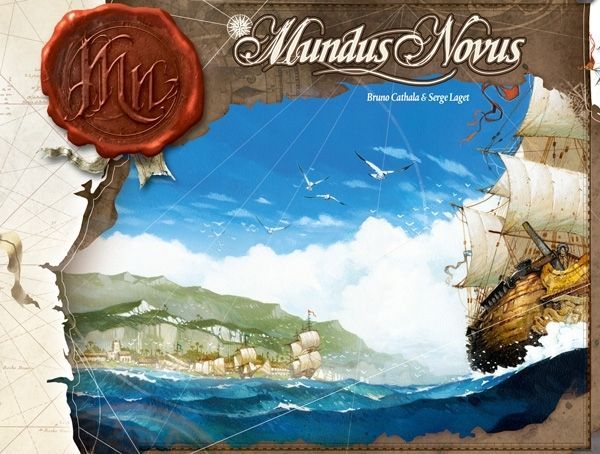
Imagine being a 16th-century tycoon, filled with ambition and caravels ready to sail toward the unknown. In Mundus Novus, the setting is 16th-century Spain, and your goal is crystal clear: dominate the trade of the New World and build an unbeatable empire of wealth. To achieve this, you'll need to manage fleets of ships to collect everything from basic resources to legendary Inca relics, all to build card sets that are worth their weight in gold.
The gameplay is smooth and revolves around well-structured rounds. It all kicks off with an event phase, where luck can shift the tide for everyone. Next comes the supply phase, where you gather your resources and development cards (which provide some pretty cool bonuses). Then, things get intense during the trading phase! There's a 'Trade Master' who dictates the rules of exchange, making player interaction the true heart of the game. Finally, in the progression phase, you convert your treasures into doubloons or development cards that boost your economy.
There are two ways to secure your victory: either become the wealthiest player by accumulating 75 doubloons, or pull off the feat of gathering a complete set of ten different resource types. If time runs out and no one hits these milestones, the player with the most money in their pocket wins. It's a fast-paced card game with a strategic layer of resource management and negotiation that keeps everyone on their toes. If you enjoy card games with a touch of economics and a historical exploration theme, prepare your caravels, because the New World is waiting for you!
The gameplay is smooth and revolves around well-structured rounds. It all kicks off with an event phase, where luck can shift the tide for everyone. Next comes the supply phase, where you gather your resources and development cards (which provide some pretty cool bonuses). Then, things get intense during the trading phase! There's a 'Trade Master' who dictates the rules of exchange, making player interaction the true heart of the game. Finally, in the progression phase, you convert your treasures into doubloons or development cards that boost your economy.
There are two ways to secure your victory: either become the wealthiest player by accumulating 75 doubloons, or pull off the feat of gathering a complete set of ten different resource types. If time runs out and no one hits these milestones, the player with the most money in their pocket wins. It's a fast-paced card game with a strategic layer of resource management and negotiation that keeps everyone on their toes. If you enjoy card games with a touch of economics and a historical exploration theme, prepare your caravels, because the New World is waiting for you!
Gallery
Box and component photos
Tap any photo to open fullscreen. Photos submitted by the community or publisher.
Best player count
BGG community vote
2
REC
3
BEST
4
BEST
5
REC
6
REC
Soundtrack
Ambience suggested by Melodice
Loading playlist...
Where to Buy
Prices monitored daily
Finding best prices...
Prices unavailable at this time.
Price history — last 6 months (lowest new offer)
Alert enabled!
Join the BoardGamesBot deals group
Get the best board game deals every day — without message spam.
Join the WhatsApp groupGame details
Mechanics, categories, families and credits
Mechanics
Categories
Families
Publisher
asmodee
Designer
Bruno Cathala, Serge Laget
Artist
Vincent Dutrait
Community
Data from BoardGameGeek
Frequently Asked Questions
Quick answers before you buy
What is the average playtime?
Games typically last between 45 and 60 minutes.
How many players is it for?
It works great for 2 to 6 players.
Is the game very complex?
Not at all; it has moderate weight, making it easy to learn but strategically deep due to trading.
How do I win?
You can win by accumulating 75 doubloons or by building a set with 10 different resources.
Is there a lot of interaction?
Yes, the trading phase is key and requires constant interaction between players.
What is the main theme?
Maritime exploration and trade during the Age of Discovery.
Other Games You'll Like
Based on mechanics and theme