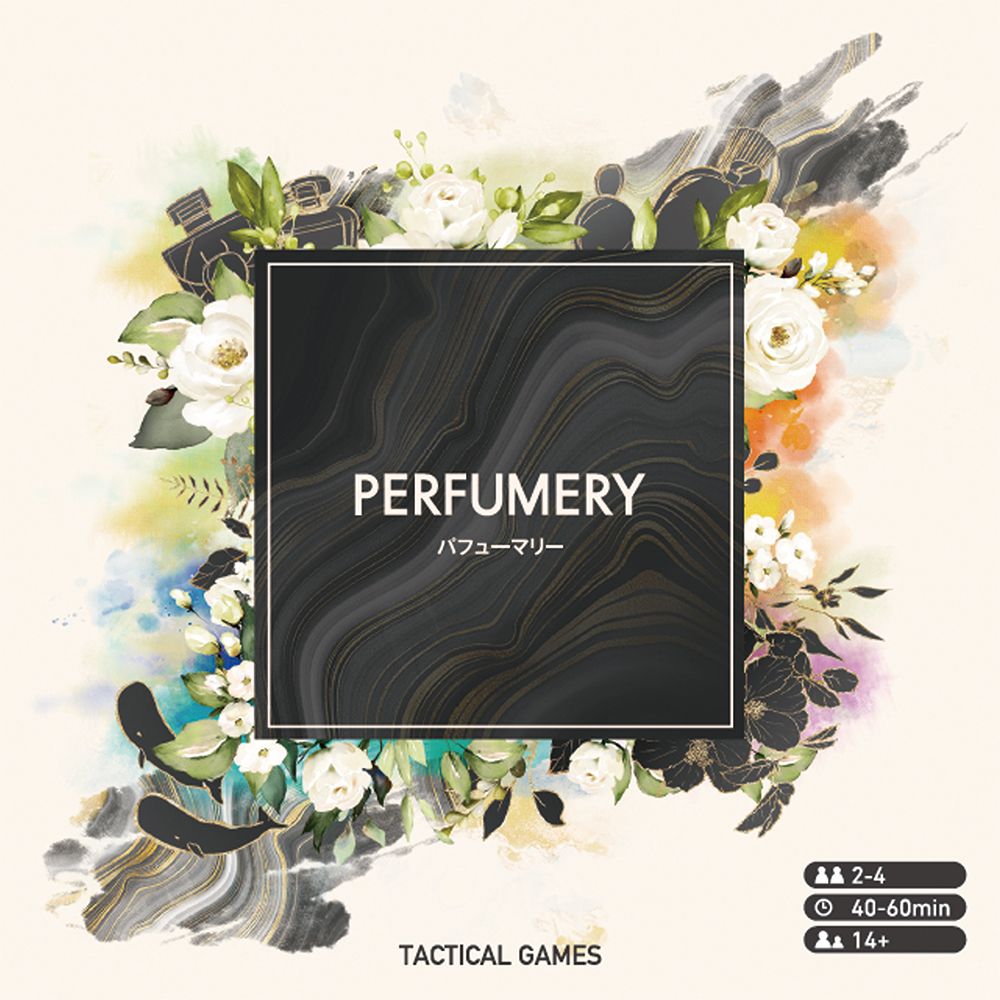
Perfumery
TACTICAL GAMES, Underdog Games (II) · Board game · 2020
2–4 · best 3, 4
40–60 min
Weight 2.4/5
Buy
—
rating
Ludopedia
7.2
rating
BGG
Our Verdict
RECOMMENDED
If you love strategy with a splash of aromatic creativity, Perfumery will be your next favorite.
Highlights
- Engaging open‑draft experience
- Detailed note combinations and challenging
- Long‑term strategic depth for seasoned players
- Unique perfume theme that blends art and science
Keep in mind
- Medium complexity, requires deep thought
- Average playtime 40‑60 minutes
- Patience needed to craft combos
Rules manual not indexed yet
Upload the PDF rulebook to ask questions about this game with AI.
About the game
What you do in a play session
Perfumery is a 2020 Japanese game that puts you in the shoes of an up‑and‑coming perfumer. Instead of just battling for cards, you’ll craft fragrances by blending natural and synthetic scent notes. Each player starts with a set of perfumer pieces that act as workers, letting you expand your top, middle, and base notes as the game unfolds.
At its core is the open‑draft mechanic: when one player grabs a card, the remaining options stay available to the others, creating a mix of competition and cooperation. The game also layers set‑collection – you need to gather specific combinations of notes to finish perfume cards – and worker placement, where each strategic move can secure valuable resources or block rivals.
The board is built in three tiers: top, middle, and base. Each tier receives cards representing ingredients and blends, and that’s where the strategy kicks in. You decide when to use your pieces to upgrade notes, when to buy new cards, or when to complete a perfume to rack up brand points. The final score is based on the quality of the perfumes you produce and the reputation you build over the course of the game.
Perfumery isn’t a lightning‑fast game; it demands deep thought and long‑term planning. Veteran players will appreciate the level of detail in note combinations, while those who enjoy business and manufacturing themes will feel right at home. If you love games that mix strategy, economics, and a dash of aromatic creativity, Perfumery is a solid pick for your table.
The game comes with a perfume deck, an ingredient deck, a set of perfumer worker tokens, four note boards, and brand markers. Each perfume card has a unique recipe requiring different note combinations. Completing a perfume earns you brand points and can grant you extra resources to speed up production. There are also event cards that shake up the draft, forcing players to adapt on the fly.
The average playtime is about 45 minutes, perfect for 2‑4 players. Complexity sits in the middle: rules are approachable, but strategic depth keeps players engaged across multiple sessions. For those who enjoy production, science, and marketing themes, Perfumery offers a unique experience that blends the logic of a card game with the thrill of creating something new and valuable.
At its core is the open‑draft mechanic: when one player grabs a card, the remaining options stay available to the others, creating a mix of competition and cooperation. The game also layers set‑collection – you need to gather specific combinations of notes to finish perfume cards – and worker placement, where each strategic move can secure valuable resources or block rivals.
The board is built in three tiers: top, middle, and base. Each tier receives cards representing ingredients and blends, and that’s where the strategy kicks in. You decide when to use your pieces to upgrade notes, when to buy new cards, or when to complete a perfume to rack up brand points. The final score is based on the quality of the perfumes you produce and the reputation you build over the course of the game.
Perfumery isn’t a lightning‑fast game; it demands deep thought and long‑term planning. Veteran players will appreciate the level of detail in note combinations, while those who enjoy business and manufacturing themes will feel right at home. If you love games that mix strategy, economics, and a dash of aromatic creativity, Perfumery is a solid pick for your table.
The game comes with a perfume deck, an ingredient deck, a set of perfumer worker tokens, four note boards, and brand markers. Each perfume card has a unique recipe requiring different note combinations. Completing a perfume earns you brand points and can grant you extra resources to speed up production. There are also event cards that shake up the draft, forcing players to adapt on the fly.
The average playtime is about 45 minutes, perfect for 2‑4 players. Complexity sits in the middle: rules are approachable, but strategic depth keeps players engaged across multiple sessions. For those who enjoy production, science, and marketing themes, Perfumery offers a unique experience that blends the logic of a card game with the thrill of creating something new and valuable.
Gallery
Box and component photos
Tap any photo to open fullscreen. Photos submitted by the community or publisher.
Best player count
BGG community vote
2
REC
3
REC
4
REC
Soundtrack
Ambience suggested by Melodice
Loading playlist...
Where to Buy
Prices monitored daily
Finding best prices...
Prices unavailable at this time.
Price history — last 6 months (lowest new offer)
As an Amazon Associate I earn from qualifying purchases. Prices and availability subject to change.
Alert enabled!
Join the BoardGamesBot deals group
Get the best board game deals every day — without message spam.
Join the WhatsApp groupGame details
Mechanics, categories, families and credits
Mechanics
Categories
Families
Publisher
TACTICAL GAMES, Underdog Games (II)
Designer
Totsuca Chuo
Artist
Yota Suzuki
Community
Data from BoardGameGeek
147owners
93wishlist
25want to play
Frequently Asked Questions
Quick answers before you buy
How many players?
Perfumery supports 2 to 4 players.
What is the average playtime?
A game lasts between 40 and 60 minutes, averaging about 45 minutes.
How complex is the game?
The game has medium complexity; rules are easy to learn but strategy is deep.
What are the main components?
The game includes 120 perfume cards, 180 ingredient cards, 48 perfumer worker tokens, 4 note boards, and 4 brand markers.
Who is the game recommended for?
It’s ideal for fans of card games, economics, production, and aromatic themes; also for those who enjoy medium‑level strategic challenges.
What is the main mechanic?
The main mechanic is open draft, combined with set collection and worker placement.
Other Games You'll Like
Based on mechanics and theme