Pioneer Days — Prices
Tasty Minstrel Games, Atalia, Doit Games · Board game · 2017
2–4 · best 3
45–75 min
Weight 2.5/5
Buy · from US$ 39.99
8.0
rating
Ludopedia
7.2
rating
BGG
Our Verdict
RECOMMENDED
Perfect for those who enjoy risk management and survival themes with a bit of meanness.
Highlights
- Innovative dice drafting system
- Constant tension from disasters
- Intuitive icon-based components
- Well-balanced game length
Keep in mind
- Dice luck can be frustrating
- Interaction can be quite punitive
Rules manual not indexed yet
Upload the PDF rulebook to ask questions about this game with AI.
About the game
What you do in a play session
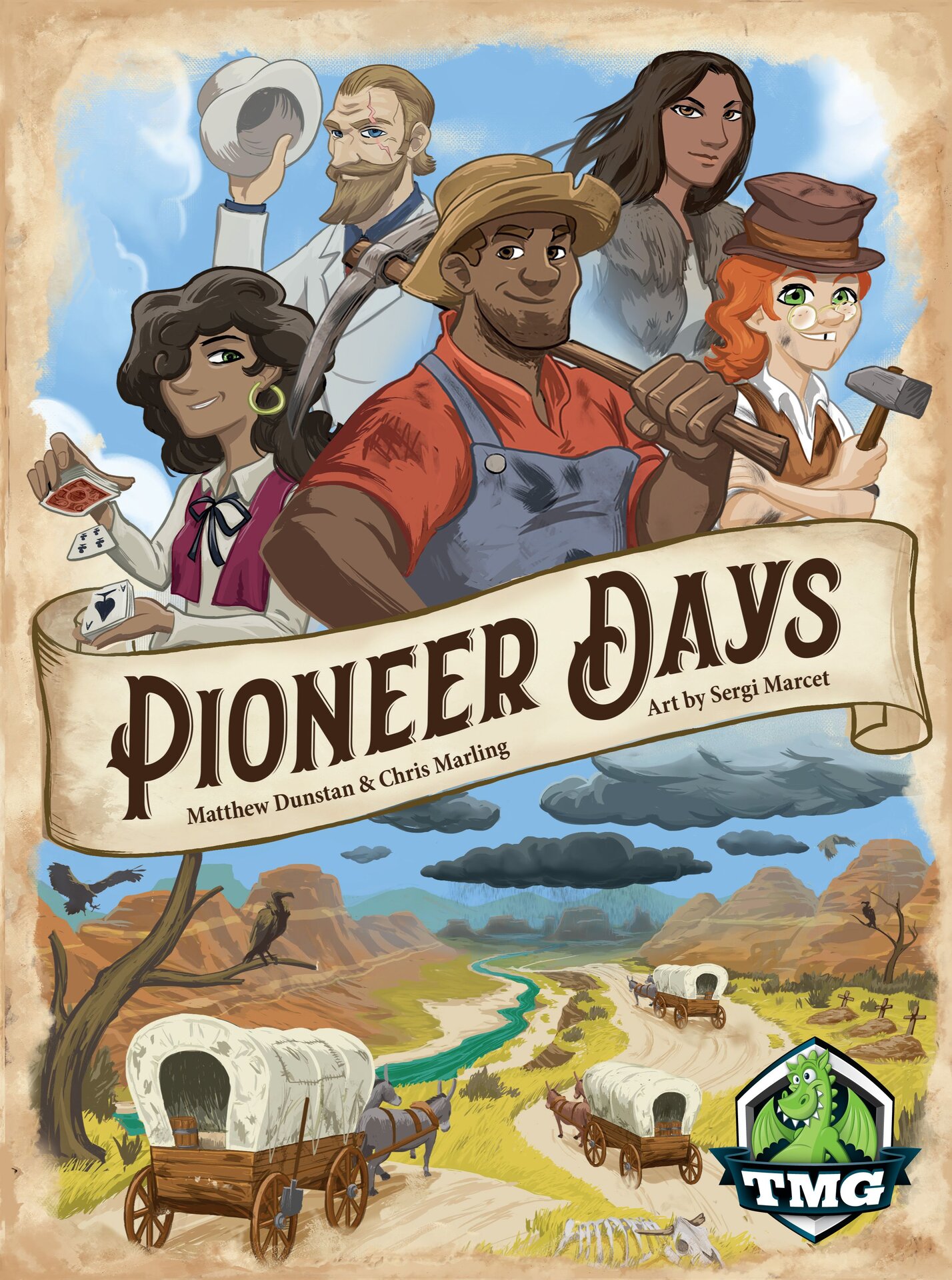
Saddle up and gear up, because the Oregon Trail is a perilous journey! In Pioneer Days, you lead a wagon train across the wild American frontier. The game revolves around a clever dice-drafting system: dice are drawn from a bag and rolled, and players take turns picking one to hire townsfolk, purchase wagons, pan for gold, or raise cattle. However, there's a twist: the dice that remain unchosen advance the disaster tracks.
This creates a constant strategic tension. You might desperately want a die for silver, but ignoring the storm die could lead to your wagons being wrecked. The game is a delicate balance between expanding your resources and preparing for the inevitable. If a disease strikes and you lack medicine for your crew, you'll lose townsfolk. If famine hits and you can't pay for feed, your cattle are gone.
Beyond resource management, you must earn the favor of towns along the way by meeting specific conditions to score extra points. It's the kind of game where you feel like you're always racing against time and bad luck. Strategy isn't just about your own progress, but about what you allow to happen to everyone else. If you can manage the risks while building a resilient team of survivors, victory is yours. It captures the tension of classic survival games but adds a modern layer of dice selection and variable player powers, ensuring that every session feels unique.
This creates a constant strategic tension. You might desperately want a die for silver, but ignoring the storm die could lead to your wagons being wrecked. The game is a delicate balance between expanding your resources and preparing for the inevitable. If a disease strikes and you lack medicine for your crew, you'll lose townsfolk. If famine hits and you can't pay for feed, your cattle are gone.
Beyond resource management, you must earn the favor of towns along the way by meeting specific conditions to score extra points. It's the kind of game where you feel like you're always racing against time and bad luck. Strategy isn't just about your own progress, but about what you allow to happen to everyone else. If you can manage the risks while building a resilient team of survivors, victory is yours. It captures the tension of classic survival games but adds a modern layer of dice selection and variable player powers, ensuring that every session feels unique.
Gallery
Box and component photos
Tap any photo to open fullscreen. Photos submitted by the community or publisher.
Rules videos
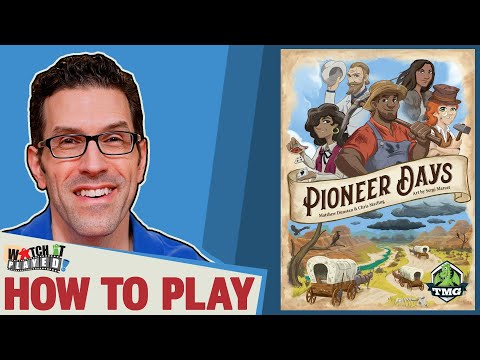
Learn by watching before you open the box


Best player count
BGG community vote
2
REC
3
BEST
4
REC
Soundtrack
Ambience suggested by Melodice
Loading playlist...
Where to Buy
Prices monitored daily
Finding best prices...
Prices unavailable at this time.
Price history — last 6 months (lowest new offer)
Alert enabled!
Join the BoardGamesBot deals group
Get the best board game deals every day — without message spam.
Join the WhatsApp groupGame details
Mechanics, categories, families and credits
Mechanics
Categories
Families
Publisher
Tasty Minstrel Games, Atalia, Doit Games, Fentasy Games, sternenschimmermeer, Sylex
Designer
Chris Marling, Matthew Dunstan
Artist
Guille Longhini, Sergi Marcet
Community
Data from BoardGameGeek
3,321owners
846wishlist
209want to play
Frequently Asked Questions
Quick answers before you buy
Is the game too complex for beginners?
Not at all! It has a moderate weight (2.53). The rules are straightforward, and the icons on the dice make actions easy to grasp.
How long does a game take?
Usually between 45 and 75 minutes, depending on the player count and how long you spend debating the draft.
Does it work well with 2 players?
Yes, it supports 2 to 4 players, keeping the drafting tension intact even in smaller groups.
Is the game too luck-dependent?
There's luck in the roll, but the strategy lies in how you manage risks and prepare for the inevitable disasters.
Is there a lot of reading during the game?
Very little. There's minimal text, making the gameplay very fluid and easy to memorize.
Other Games You'll Like
Based on mechanics and theme