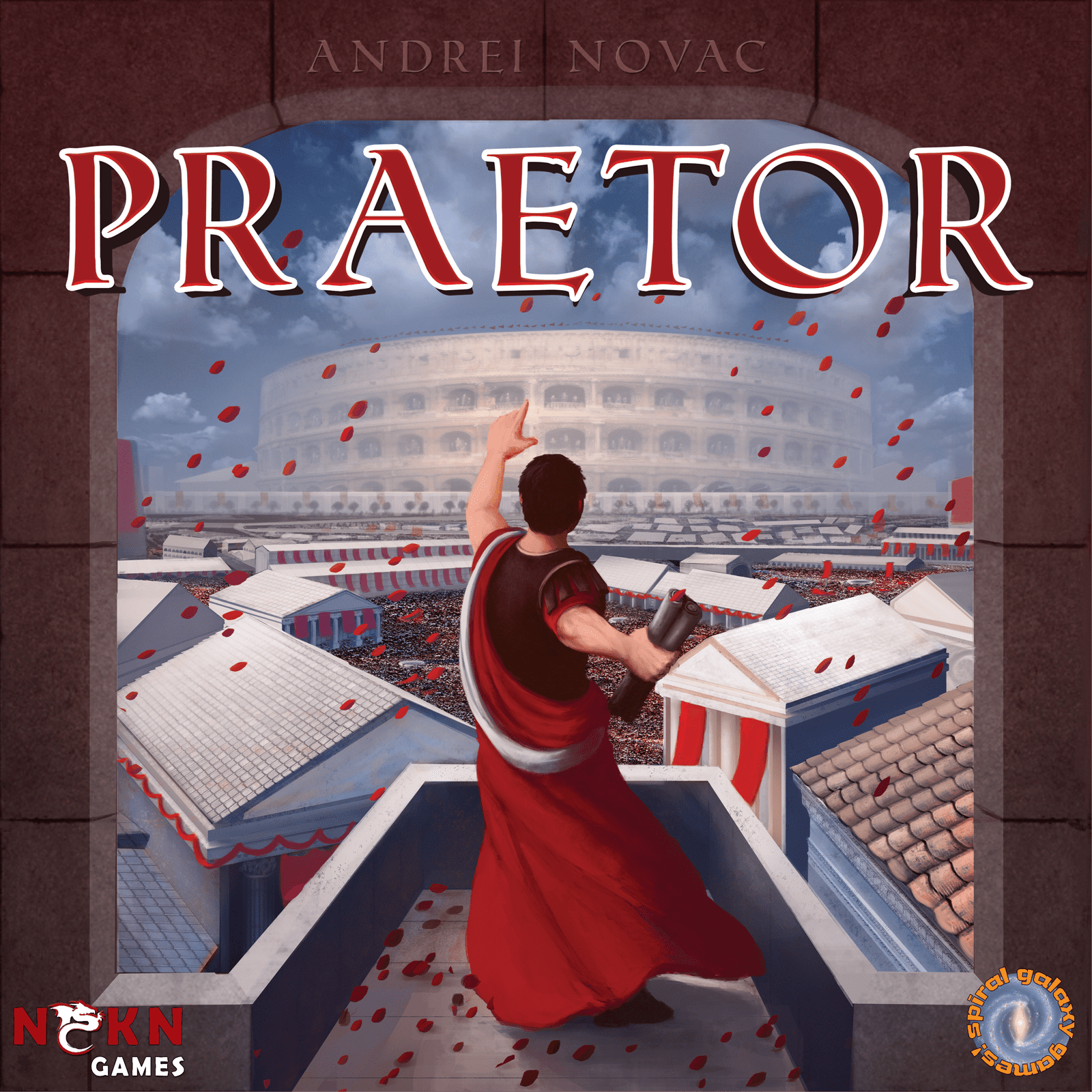
Praetor
NSKN Games, BoardM Factory, Éditions Sans-Détour · Board game · 2014
2–5 · best 4
75 min
Weight 3.0/5
Buy · from US$ 16.37
7.3
rating
Ludopedia
6.5
rating
BGG
Our Verdict
RECOMMENDED
Fans of historical worker placement games will dig Praetor—especially the dice-workers twist and mandatory retirement mechanic!
Highlights
- Immersive Roman theme
- Innovative dice-based workers
- Multiple paths to victory
Keep in mind
- Can drag with 5 players
- Moderate learning curve
Rules manual not indexed yet
Upload the PDF rulebook to ask questions about this game with AI.
About the game
What you do in a play session
The year is 122 AD, and the Roman Empire is at its peak. Emperor Hadrian has decided to build cities and fortifications instead of waging war, to solidify Roman dominance. In Britannia, he ordered the construction of Hadrian's Wall and a new city to impress the locals. You're one of five engineers tasked with building this city, but only one will be named praetor in the end. In Praetor, you'll manage workers (which are dice!), resources, and population morale while constructing buildings and pleasing the gods. Each turn, you place your workers on actions like gathering resources, recruiting new workers, or building city tiles. Watch out: experienced workers retire but still demand payment! And don’t forget to contribute to the wall—Caesar rewards the most generous. Whoever balances all this will come out victorious.
Gallery
Box and component photos
Tap any photo to open fullscreen. Photos submitted by the community or publisher.
Rules videos
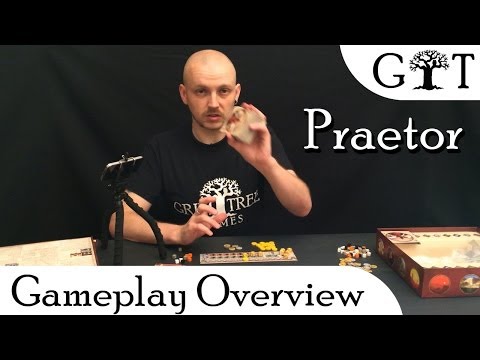
Learn by watching before you open the box

Best player count
BGG community vote
2
REC
3
REC
4
BEST
5
OK
Soundtrack
Ambience suggested by Melodice
Loading playlist...
Where to Buy
Prices monitored daily
Finding best prices...
Prices unavailable at this time.
Price history — last 6 months (lowest new offer)
Alert enabled!
Join the BoardGamesBot deals group
Get the best board game deals every day — without message spam.
Join the WhatsApp groupGame details
Mechanics, categories, families and credits
Mechanics
Categories
Families
Publisher
NSKN Games, BoardM Factory, Éditions Sans-Détour, Granna, Heidelberger Spieleverlag, Lex Games, Play & Win, Spiral Galaxy Games, テンデイズゲームズ (TendaysGames)
Designer
Andrei Novac
Artist
Agnieszka Kopera, David J. Coffey, David Szilagyi
Community
Data from BoardGameGeek
2,627owners
263wishlist
38want to play
Frequently Asked Questions
Quick answers before you buy
Is Praetor hard to learn?
It has a moderate learning curve—not the simplest worker placement, but rules click after a few rounds.
Best player count?
Plays great at 3-4. With 5, it can slow down due to interactions.
Do I need to love Rome to enjoy it?
Nope! The theme helps, but the game stands on solid worker placement and resource management.
Is it luck-based or strategic?
Dice add some randomness, but how you use them is 100% strategy.
How long does a game take?
About 75 minutes on average, but can hit 2h with new players or overthinkers.
Other Games You'll Like
Based on mechanics and theme