Rheinländer
25th Century Games, Face2Face Games, Hasbro · Board game · 1999If you enjoy strategy games with a historical touch and solid mechanics, Rheinländer might be for you! It's a Reiner Knizia game that shines in resource management and territory control.
- Fierce area control
- Clever hand management
- Duchy building
- Engaging medieval theme
- Can have low direct interaction
- Relies on card draw luck
- Ending can feel abrupt
About the game
What you do in a play session
After establishing your footholds, the fun continues with the expansion of your duchies. You'll aim not only to conquer more land but also to build significant structures like castles, cathedrals, and cities. These buildings not only increase your duchy's value but also grant you unique strategic advantages during gameplay. The competition is fierce, and managing your cards effectively is crucial to outmaneuver your opponents and secure dominance.
The game concludes when one of the dukes runs out of knights to place. From that point, the final scoring determines who has been crowned the greatest duke of the Rhine. With mechanics blending area control, enclosure, and hand management, Rheinländer offers a dense and rewarding strategic experience, especially for those who enjoy games with a historical touch and tactical challenges. It's a game that, despite having no language dependency, demands attention and planning to master the riverbanks.
Gallery
Box and component photos
Tap any photo to open fullscreen. Photos submitted by the community or publisher.
Rules videos
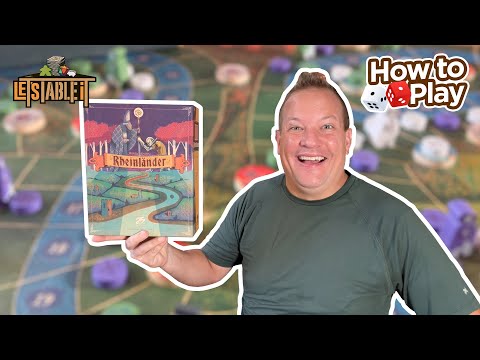
Learn by watching before you open the box


Best player count
BGG community vote
Soundtrack
Ambience suggested by Melodice
Where to Buy
Prices monitored daily
Price history — last 6 months (lowest new offer)
As an Amazon Associate I earn from qualifying purchases. Prices and availability subject to change.
Alert enabled!
Join the BoardGamesBot deals group
Get the best board game deals every day — without message spam.
Join the WhatsApp groupGame details
Mechanics, categories, families and credits
Mechanics
Categories
Families
Community
Data from BoardGameGeek
Frequently Asked Questions
Quick answers before you buy
What is the average playtime for Rheinländer?
How many players can participate?
Is Rheinländer a difficult game to learn?
Do I need to speak German to play?
Who would you recommend Rheinländer to?
What components come in the game?
Other Games You'll Like
Based on mechanics and theme