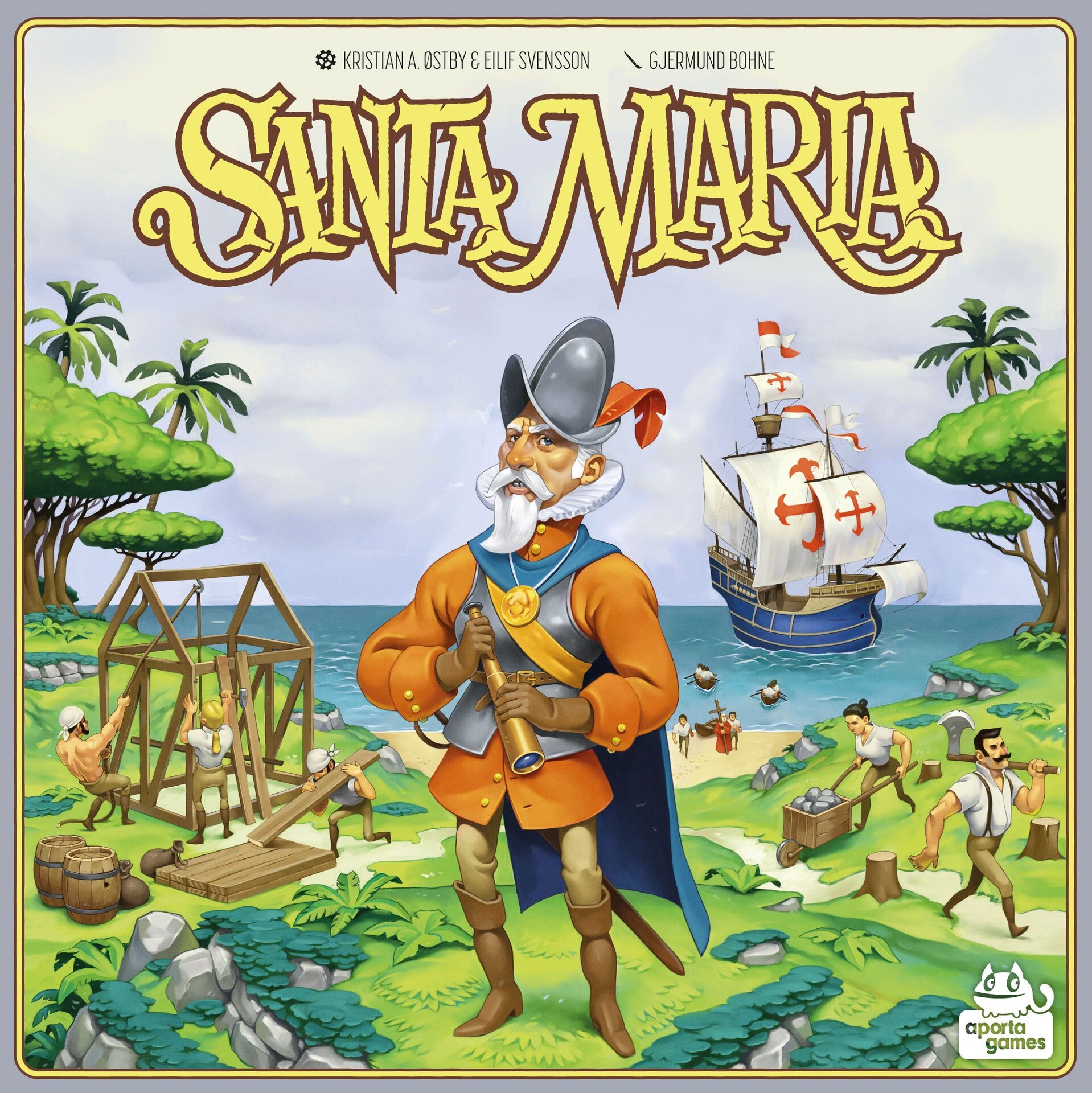
Santa Maria — Prices
Aporta Games, Arrakis Games, Dal Tenda · Board game · 2017Perfect for those who love optimizing boards and hate excessive luck. The row and column activation system is brilliant!
- Very clever placement puzzle
- High replayability due to variable components
- Low conflict, focus on efficiency
- Visually pleasing components
- Moderate initial learning curve
- Might feel slow for action-seekers
About the game
What you do in a play session
The heart of the game lies in using polyominoes (those Tetris-style pieces) to build structures on your colony board. The clever part is how you activate these buildings: you draft dice representing your migrant workers. When you place a die, you activate an entire row or column of buildings, but there's a catch: the die remains there, blocking that space. This means that where you place your buildings and the sequence in which you use your dice are the keys to victory. Plan poorly, and you might end up locking your own economy!
As the game progresses, you'll produce resources, establish shipping routes for profit, and send out conquistadors in search of gold. There is also a faith management system: you can recruit monks and decide whether they become scholars (providing permanent special abilities), missionaries (for immediate bonuses), or bishops (for endgame points).
The game lasts three rounds (each representing one year), and the player with the most happiness wins. The best part is that the available specialists, endgame bonuses, and buildings vary from game to game, ensuring that no two sessions are ever the same. It's a medium-complexity Eurogame with very low luck and almost no direct conflict—the competition is about who is the most efficient manager, not who attacks their neighbor the most. If you enjoy optimizing processes and building your own production engine, Santa Maria is right up your alley.
Expansions
Published additional content
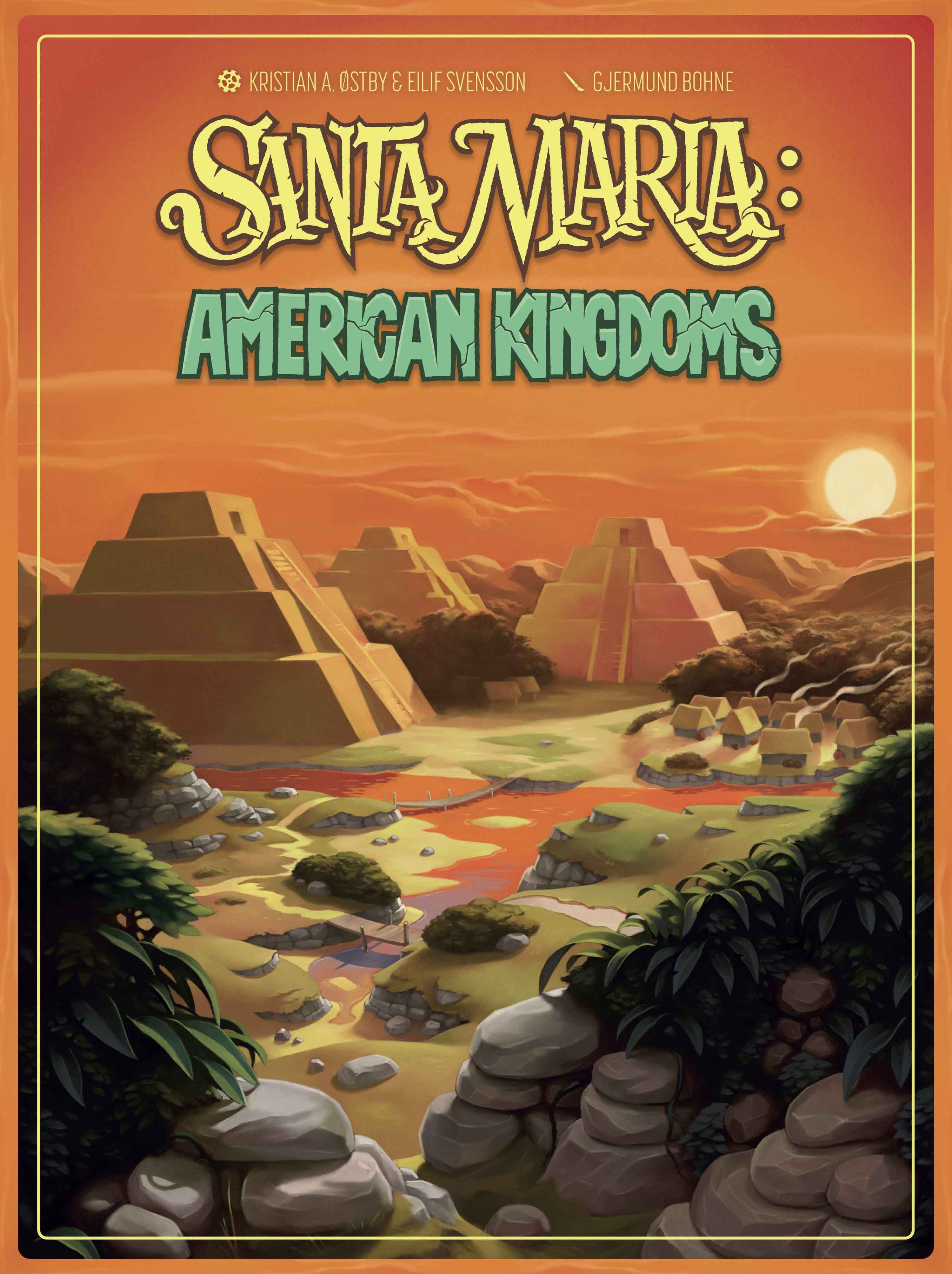
Gallery
Box and component photos
Tap any photo to open fullscreen. Photos submitted by the community or publisher.
Rules videos
Learn by watching before you open the box


Best player count
BGG community vote
Soundtrack
Ambience suggested by Melodice
Where to Buy
Prices monitored daily
Price history — last 6 months (lowest new offer)
As an Amazon Associate I earn from qualifying purchases. Prices and availability subject to change.
Alert enabled!
Join the BoardGamesBot deals group
Get the best board game deals every day — without message spam.
Join the WhatsApp groupGame details
Mechanics, categories, families and credits
Mechanics
Categories
Families
Community
Data from BoardGameGeek
Frequently Asked Questions
Quick answers before you buy
Is the game hard to learn?
Do the dice rolls influence the game a lot?
Can I play it solo?
How long does a game take?
Do I need to be fluent in English or another language?
Other Games You'll Like
Based on mechanics and theme