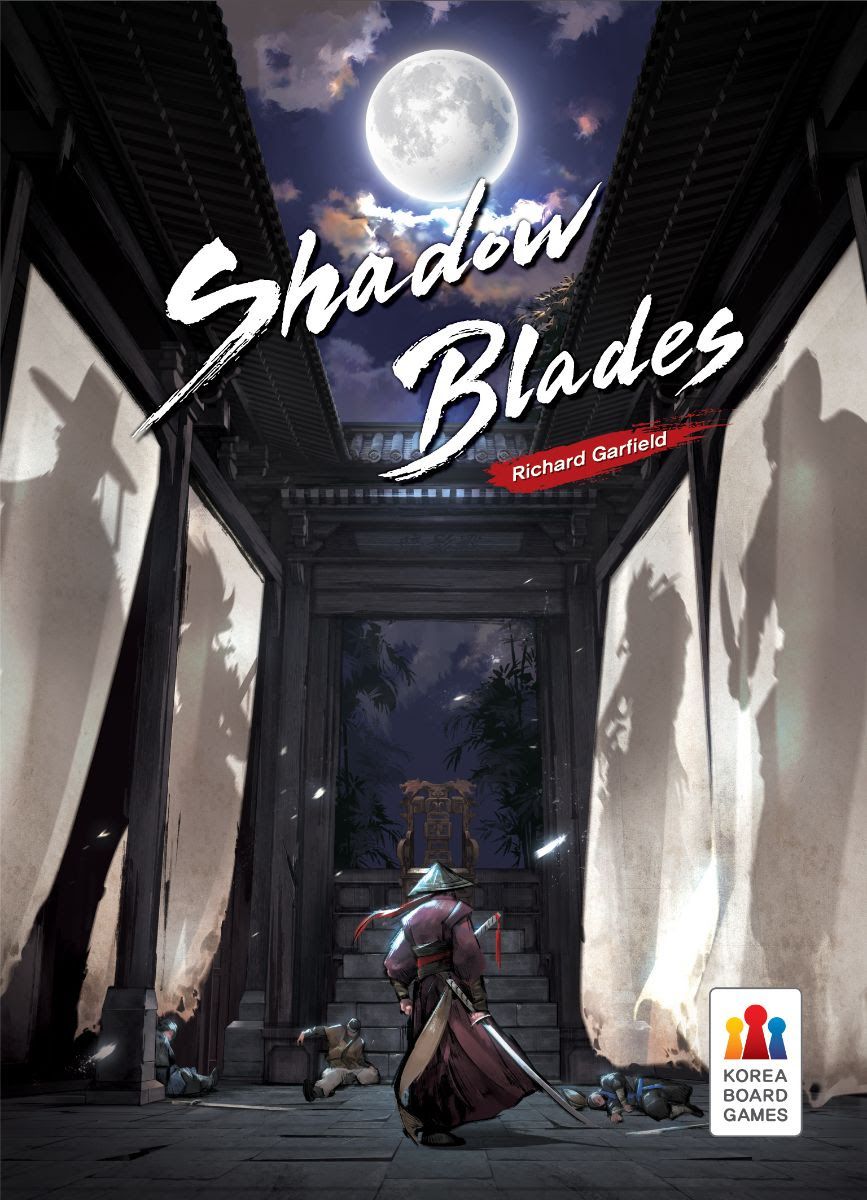
Shadow Blades is that card game that puts you in the shoes of a spymaster, blending bluffing and strategy in a way that makes you feel like a real secret agent. If you enjoy a fierce area majority contest, with the excitement of building the best hand and the tension of knowing what your opponent will draft, this is your game. The experience is very dynamic, with decisions that matter every round, and the team play option adds an extra layer of interaction and coordination.
thumb_up
Highlights
check_circle
Unique card drafting mechanic
check_circle
Engaging espionage theme
check_circle
Constant strategic decisions
check_circle
Dynamic and interactive gameplay
check_circle
Fun team-based mode
warning_amber
Keep in mind
report_problem
Some luck in drafting
report_problem
Bluffing doesn't always work
report_problem
Requires attention to opponents' moves
upload_file
Rules manual not indexed yetUpload the PDF rulebook to ask questions about this game with AI.
info
About the game
What you do in a play session
In Shadow Blades, you step into the shoes of a spymaster, tasked with building an underground intelligence network and dominating the world of espionage. To achieve this, you'll need to recruit agents from various fields and coordinate their actions to complete vital missions. The game, playable individually or in teams of two, challenges participants to gather information, recruit the best agents, and disrupt opponents' plans with clever plays and impeccable coordination. The goal is to rise through the intelligence community and become an unstoppable force in the world of covert operations. The Shadow Blades deck consists of agent, funding, and mission cards. The core card drafting mechanic is quite engaging: players choose cards from a line-up of face-down piles. You can look at the first pile and take it or pass it to look at the next, and so on. When you take a pile, you add a card to the empty spot and to each pile you passed over, enriching the options for the next player. Agents are color-coded and represent four areas of expertise: tech, infiltration, counterespionage, and enforcement. Funding cards can be applied to any agent, and some agents have special powers that activate when played. To complete a mission, your strength in its specific field must be superior to all opponents. Get ready to bluff, plan, and dominate the espionage underworld!
photo_library
Gallery
Box and component photos
11 photos · from the community
01 / 11
Tap any photo to open fullscreen. Photos submitted by the community or publisher.
businessPublisherKorea Boardgames, Z-Man Games, Don't Panic Games, Evrikus, Hobby Japan
editDesignerRichard Garfield
paletteArtistDaehoon Lee, Ross A. Curtis
groups_2
Community
Data from BoardGameGeek
1,618owners
159wishlist
17want to play
quiz
Frequently Asked Questions
Quick answers before you buy
7 questions
What is the average playtime for Shadow Blades? expand_more
A game of Shadow Blades typically lasts between 30 to 45 minutes, perfect for a quick and strategic session.
How many players can play Shadow Blades? expand_more
Shadow Blades is designed for 2 to 4 players, offering the flexibility to play individually or in teams.
What is the complexity level of the game? expand_more
With a BGG weight of 1.9/5, Shadow Blades is considered a light to medium complexity game. It's easy to learn but offers strategic depth for those who enjoy planning.
What are the main components of the game? expand_more
The game primarily consists of a deck of cards, including agents, funding, and missions, along with the rules to guide your journey as a spymaster.
Is Shadow Blades a good game for beginners? expand_more
Yes! Despite having an interesting strategic layer, its rules are accessible, making it a great entry point for those new to board and card games.
Is there player interaction in the game? expand_more
Absolutely! The card drafting mechanic and area majority competition generate a lot of interaction, plus the option for team play requires coordination and communication.
Does the game offer replayability? expand_more
Yes, the combination of cards, the variation in bluffing strategies, and the drafting dynamic ensure that each game is unique and challenging, encouraging replayability.