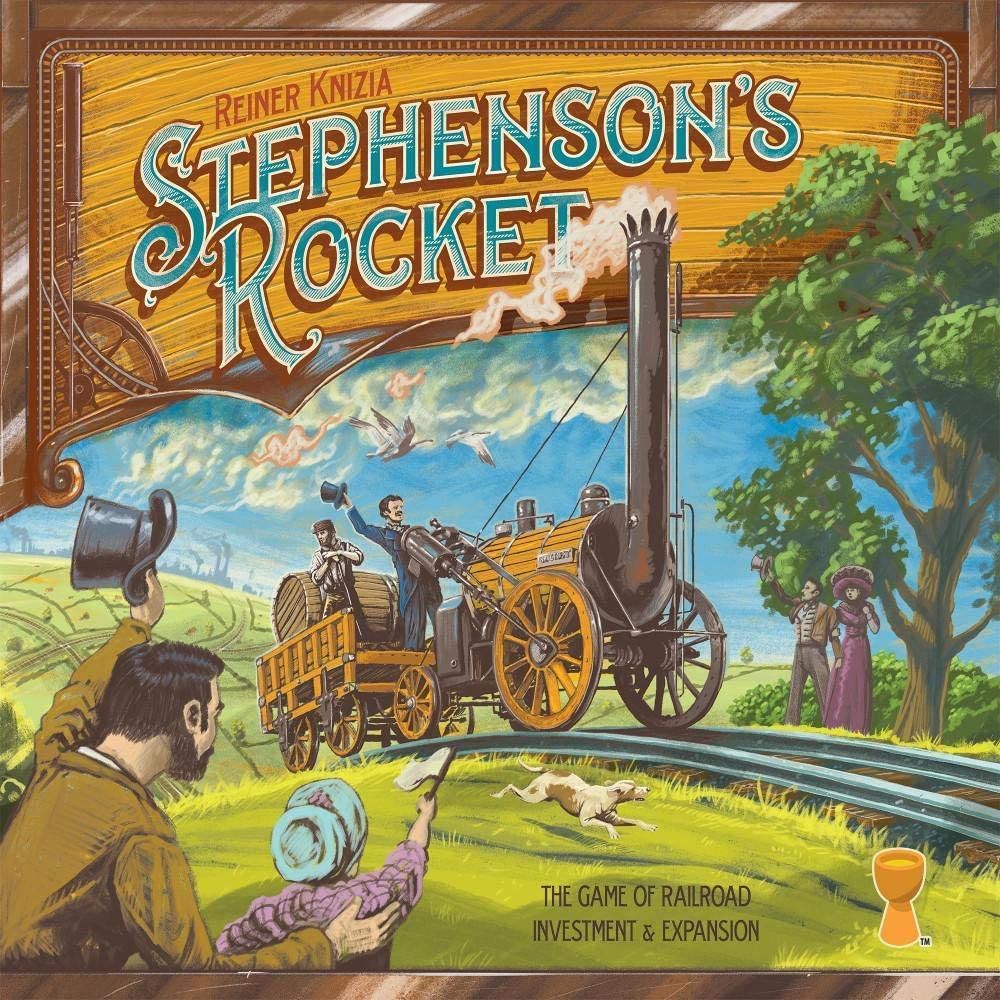
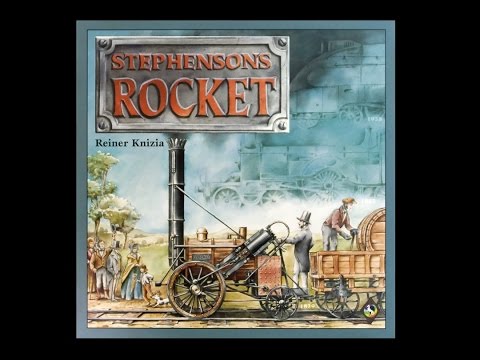
Stephenson's Rocket
999 Games, Grail Games, Group SNE · Board game · 1999
2–4 · best 4
60 min
Weight 3.0/5
Buy
7.4
rating
Ludopedia
6.9
rating
BGG
Our Verdict
FOR GENRE FANS
Perfect for those who love economic games and area control with Knizia's touch. The highlight is the stock market tension.
Highlights
- Very clever merger dynamics
- Direct interaction through vetoes
- Well-applied historical theme
- High strategic challenge
Keep in mind
- Slightly steep learning curve
- Can be punishing for beginners
Rules manual not indexed yet
Upload the PDF rulebook to ask questions about this game with AI.
About the game
What you do in a play session
Get ready to dive into the Industrial Revolution with Stephenson's Rocket! Designed by the legendary Reiner Knizia, this game puts you in charge of the railway expansion in early 19th-century England. The goal is straightforward on paper but tense at the table: make the most money. However, it's not just about laying tracks; it's about who truly controls the company.
There are seven different railway companies available for investment. The dynamics are fascinating: while you attempt to expand a company's rail network, other stockholders can try to veto your move. The catch? To block your plans, they might have to sacrifice their own shares. It's a game of bluffing, investment, and territorial control.
One of the most interesting mechanics occurs when the rails of two companies touch: they merge, becoming a single company. This completely shifts the strategy for whoever holds the shares. The game continues until only one company remains or the rail tiles run out. In the end, the player who accumulated the most capital wins. If you enjoy Euro-style games with a pinch of direct interaction and resource management, where every tile placed can trigger a cascade of mergers and power struggles, this title is for you. It's an exercise in patience and calculation, typical of Knizia's style, where efficiency is the key to victory.
There are seven different railway companies available for investment. The dynamics are fascinating: while you attempt to expand a company's rail network, other stockholders can try to veto your move. The catch? To block your plans, they might have to sacrifice their own shares. It's a game of bluffing, investment, and territorial control.
One of the most interesting mechanics occurs when the rails of two companies touch: they merge, becoming a single company. This completely shifts the strategy for whoever holds the shares. The game continues until only one company remains or the rail tiles run out. In the end, the player who accumulated the most capital wins. If you enjoy Euro-style games with a pinch of direct interaction and resource management, where every tile placed can trigger a cascade of mergers and power struggles, this title is for you. It's an exercise in patience and calculation, typical of Knizia's style, where efficiency is the key to victory.
Expansions
Published additional content
Gallery
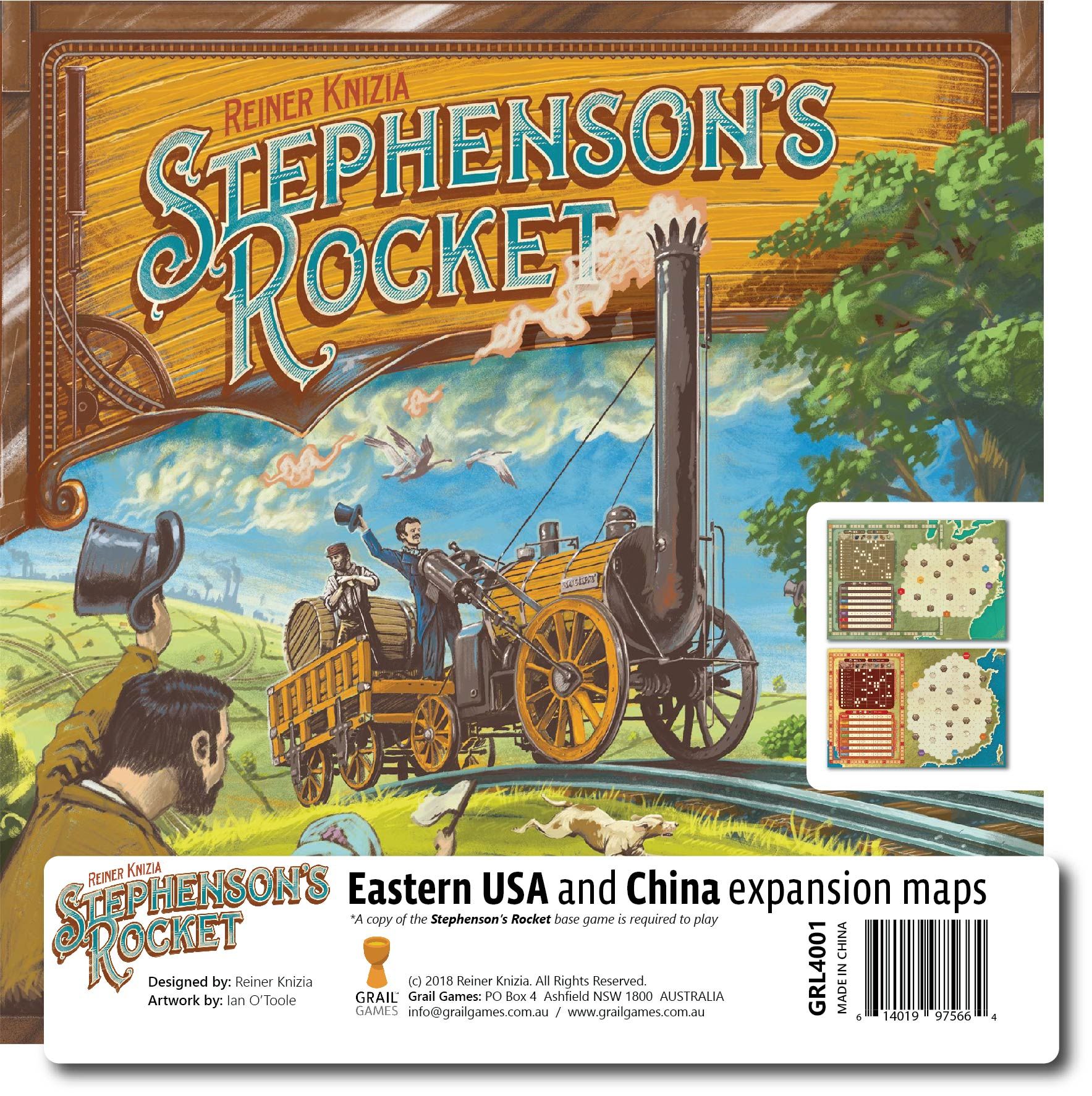
Box and component photos
Tap any photo to open fullscreen. Photos submitted by the community or publisher.
Rules videos
Learn by watching before you open the box


Best player count
BGG community vote
2
OK
3
REC
4
BEST
Soundtrack
Ambience suggested by Melodice
Loading playlist...
Where to Buy
Prices monitored daily
Finding best prices...
Prices unavailable at this time.
Price history — last 6 months (lowest new offer)
Alert enabled!
Join the BoardGamesBot deals group
Get the best board game deals every day — without message spam.
Join the WhatsApp groupGame details
Mechanics, categories, families and credits
Mechanics
Categories
Families
Publisher
999 Games, Grail Games, Group SNE, Jogo Secco, Pegasus Spiele, Rio Grande Games
Designer
Reiner Knizia
Artist
Doris Matthäus, Ian O'Toole, TANSAN Inc.
Community
Data from BoardGameGeek
5,088owners
774wishlist
291want to play
Frequently Asked Questions
Quick answers before you buy
Is the game too complex?
It has a medium-high weight (3.04 on BGG), so it's not for total beginners. It requires planning and a good understanding of how mergers and shares work.
How many people can play?
2 to 4 players. The veto and investment dynamics become even more interesting with more people at the table.
How long does a game last?
About 60 minutes on average, depending on the group's experience and how aggressive the players are.
Is it a simple 'tile-laying' game?
No. While it features tile placement, the stock market layer and the possibility of mergers make the strategy much deeper than a typical tile game.
Who do you recommend this game for?
For those who love economic games, Reiner Knizia fans, and players who enjoy fighting for area majority while managing investments.
Other Games You'll Like
Based on mechanics and theme