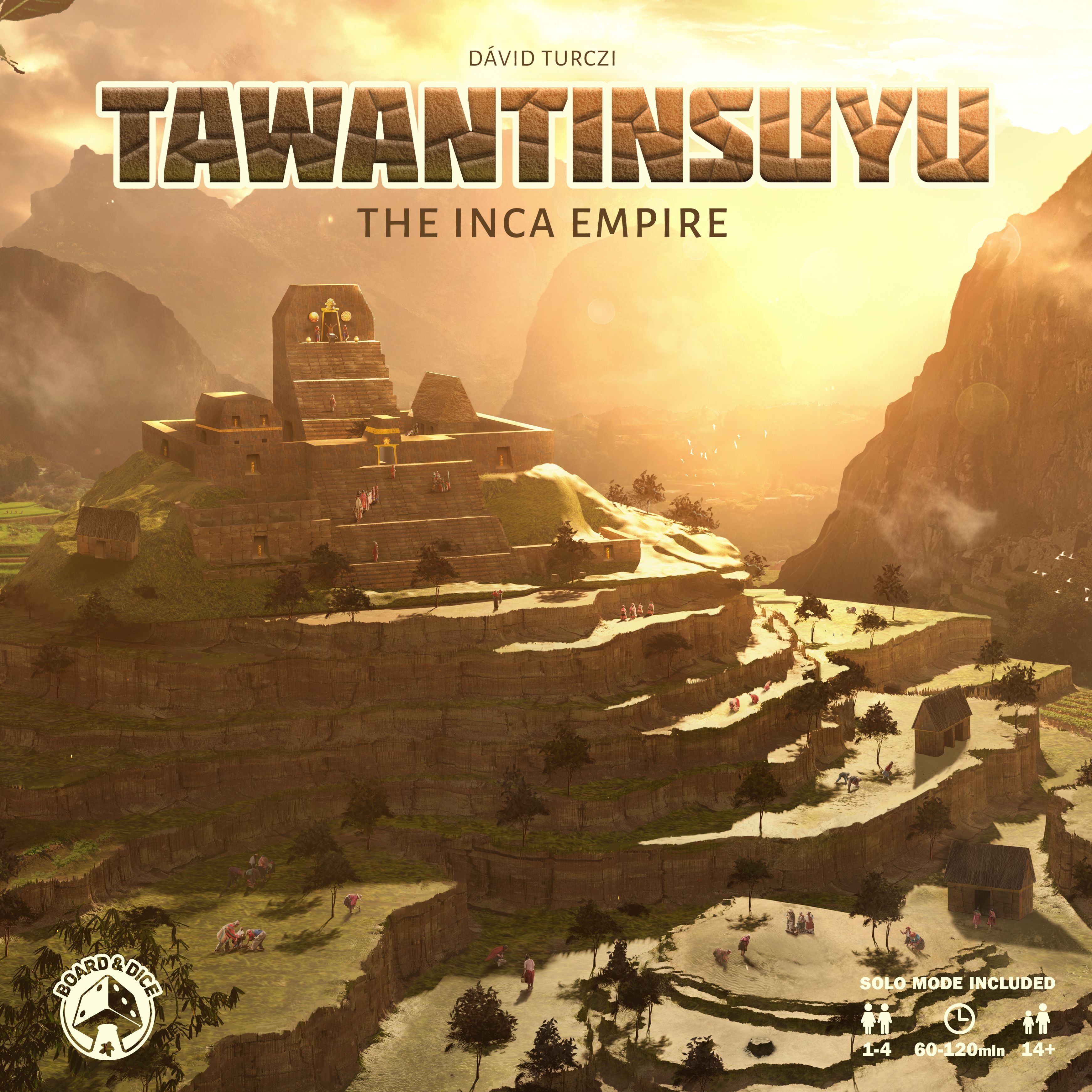
Tawantinsuyu: The Inca Empire — Prices
Board&Dice, CMON Global Limited, CrowD Games · Board game · 2020
1–4 · best 3
Solo
60–120 min
Weight 4.1/5
Buy · from US$ 31.89
8.0
rating
Ludopedia
7.4
rating
BGG
Our Verdict
FOR GENRE FANS
Perfect for those who love dense Eurogames with historical themes and challenging logistics. The distance-based cost system is brilliant.
Highlights
- Innovative placement mechanics
- Deeply immersive Inca theme
- Diverse worker abilities
- Great thematic components
Keep in mind
- Steep learning curve
- Placement costs can be punishing
Rules manual not indexed yet
Upload the PDF rulebook to ask questions about this game with AI.
About the game
What you do in a play session
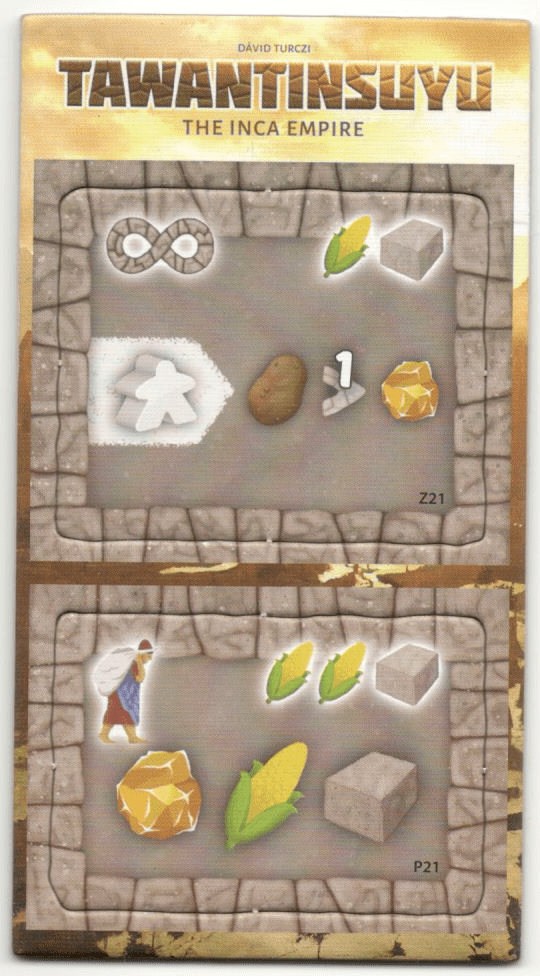
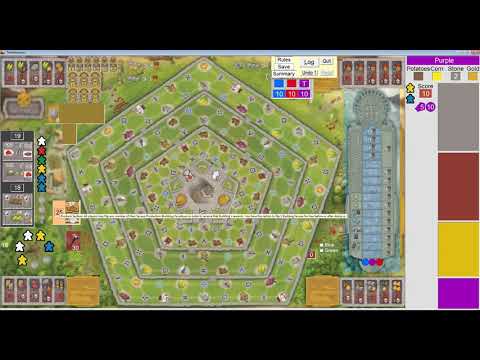
Get ready to take command of one of history's most fascinating civilizations! In Tawantinsuyu, you compete to become the legitimate successor of Emperor Pachacuti, expanding the Inca Empire across four strategic regions. The heart of the game is the Coricancha, the Temple of the Sun, where your High Priest dictates the pace of your strategy. The clever twist here is the logistics: the further away from your priest you attempt to place a worker, the higher the cost in resources (corn or potatoes).
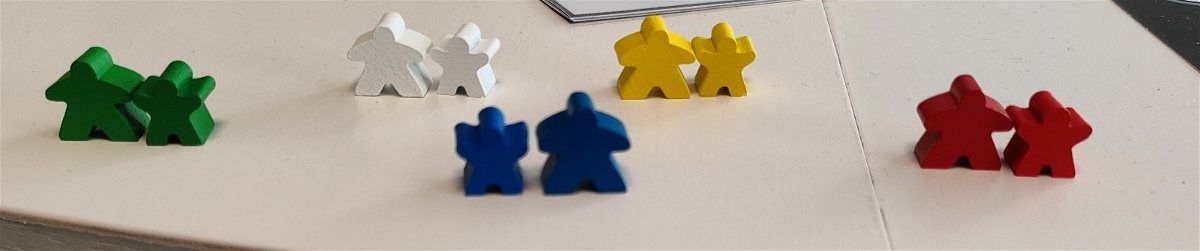
The game employs a sophisticated worker placement mechanic. You don't just place a piece; you need matching god cards or gold to do so. The coolest part is that each worker type—Warrior, Craftsman, Architect, Courier, and Priest—possesses unique abilities that can trigger extra actions if you position them near colleagues of the same type.
While managing the production of gold and stone, you can build stairways (which help everyone but grant you points) and sculpt statues to activate special powers. Tension rises with the military conquest of villages, where you fight for regional influence against your opponents. The game ends when the worker pool is exhausted, and victory is decided by who best balanced temple faith, military strength, and infrastructure efficiency. It's a dense game, perfect for those who love meticulous planning and don't mind some complexity in exchange for a deep, thematic experience.
The game employs a sophisticated worker placement mechanic. You don't just place a piece; you need matching god cards or gold to do so. The coolest part is that each worker type—Warrior, Craftsman, Architect, Courier, and Priest—possesses unique abilities that can trigger extra actions if you position them near colleagues of the same type.
While managing the production of gold and stone, you can build stairways (which help everyone but grant you points) and sculpt statues to activate special powers. Tension rises with the military conquest of villages, where you fight for regional influence against your opponents. The game ends when the worker pool is exhausted, and victory is decided by who best balanced temple faith, military strength, and infrastructure efficiency. It's a dense game, perfect for those who love meticulous planning and don't mind some complexity in exchange for a deep, thematic experience.
Expansions
Published additional content


Gallery
Box and component photos
Tap any photo to open fullscreen. Photos submitted by the community or publisher.
Rules videos
Learn by watching before you open the box
In English




Best player count
BGG community vote
1
REC
2
REC
3
BEST
4
BEST
Soundtrack
Ambience suggested by Melodice
Loading playlist...
Where to Buy
Prices monitored daily
Finding best prices...
Prices unavailable at this time.
Price history — last 6 months (lowest new offer)
Alert enabled!
Join the BoardGamesBot deals group
Get the best board game deals every day — without message spam.
Join the WhatsApp groupGame details
Mechanics, categories, families and credits
Mechanics
Categories
Families
Publisher
Board&Dice, CMON Global Limited, CrowD Games, Galápagos Jogos, Giant Roc, Giochix.it, Maldito Games, Pixie Games, Portal Games, Rawstone, sternenschimmermeer
Designer
Dávid Turczi
Artist
Aleksander Zawada, Jakub Fajtanowski, Jakub Skop, Michał Długaj, Zbigniew Umgelter
Community
Data from BoardGameGeek
7,468owners
1,059wishlist
135want to play
Frequently Asked Questions
Quick answers before you buy
Is the game too hard for beginners?
Yes, it's an 'Expert' level game. If you've never played a complex Eurogame, it might take a few sessions to get the hang of it.
How long does a game take?
Expect to spend between 1.5 to 3 hours, depending on the number of players and the group's experience.
Does it work well solo?
Yes! The game has solid solo rules, making it a great choice for those who enjoy strategic puzzles.
What is the 'distance cost' system?
It's the rule where placing a worker far from your High Priest costs more resources, forcing you to move your priest on the Rondel.
Who would I recommend this game to?
To those who enjoy civilization games, heavy resource management, and planning several moves ahead.
Does randomness hurt the strategy?
There is randomness in worker distribution, but the game provides enough tools for you to adapt and pivot your strategy.
Other Games You'll Like
Based on mechanics and theme