Teenage Mutant Ninja Turtles: Turtle Power Card Game — Prices
GRRRE Games, Buró, Evrikus · Board game · 2019
3–6 · best 5
10–15 min
Weight 1.1/5
Buy · from US$ 13.19
7.5
rating
Ludopedia
6.3
rating
BGG
Our Verdict
FOR GENRE FANS
Perfect for groups looking for fast, loud fun, ideal for kids and geek culture fans.
Highlights
- Very short and dynamic games
- Simple rules to learn
- Intense social interaction
- Zero language barrier
Keep in mind
- Minimal strategic depth
- Can feel repetitive after several games
Rules manual not indexed yet
Upload the PDF rulebook to ask questions about this game with AI.
About the game
What you do in a play session
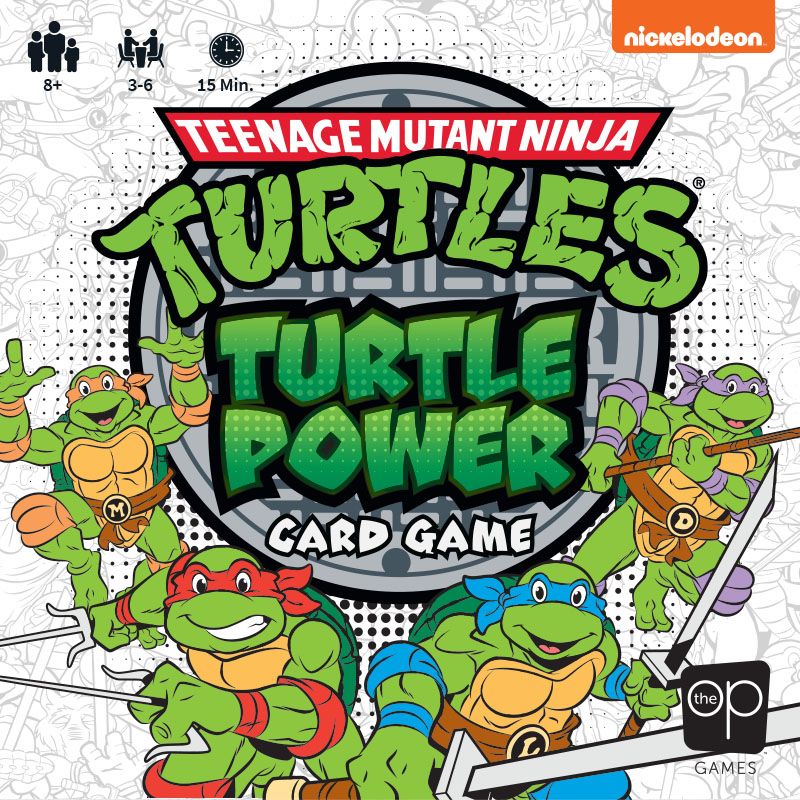
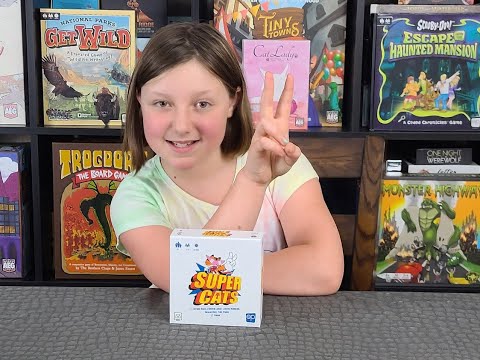
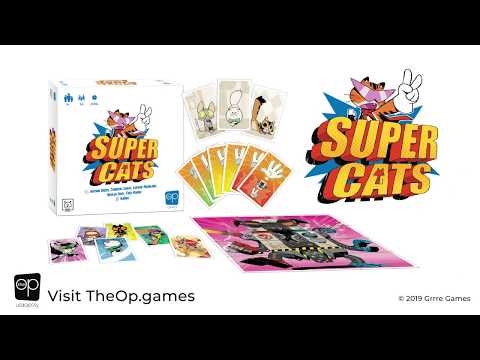
If you enjoy organized chaos and need something quick to energize the group, Teenage Mutant Ninja Turtles: Turtle Power Card Game is the way to go. Forget complex 50-page manuals; the fun here is instant, based on reflexes and bluffing. The game is essentially a reskin of Super Cats, but now with the energy of our favorite turtles fighting crime.
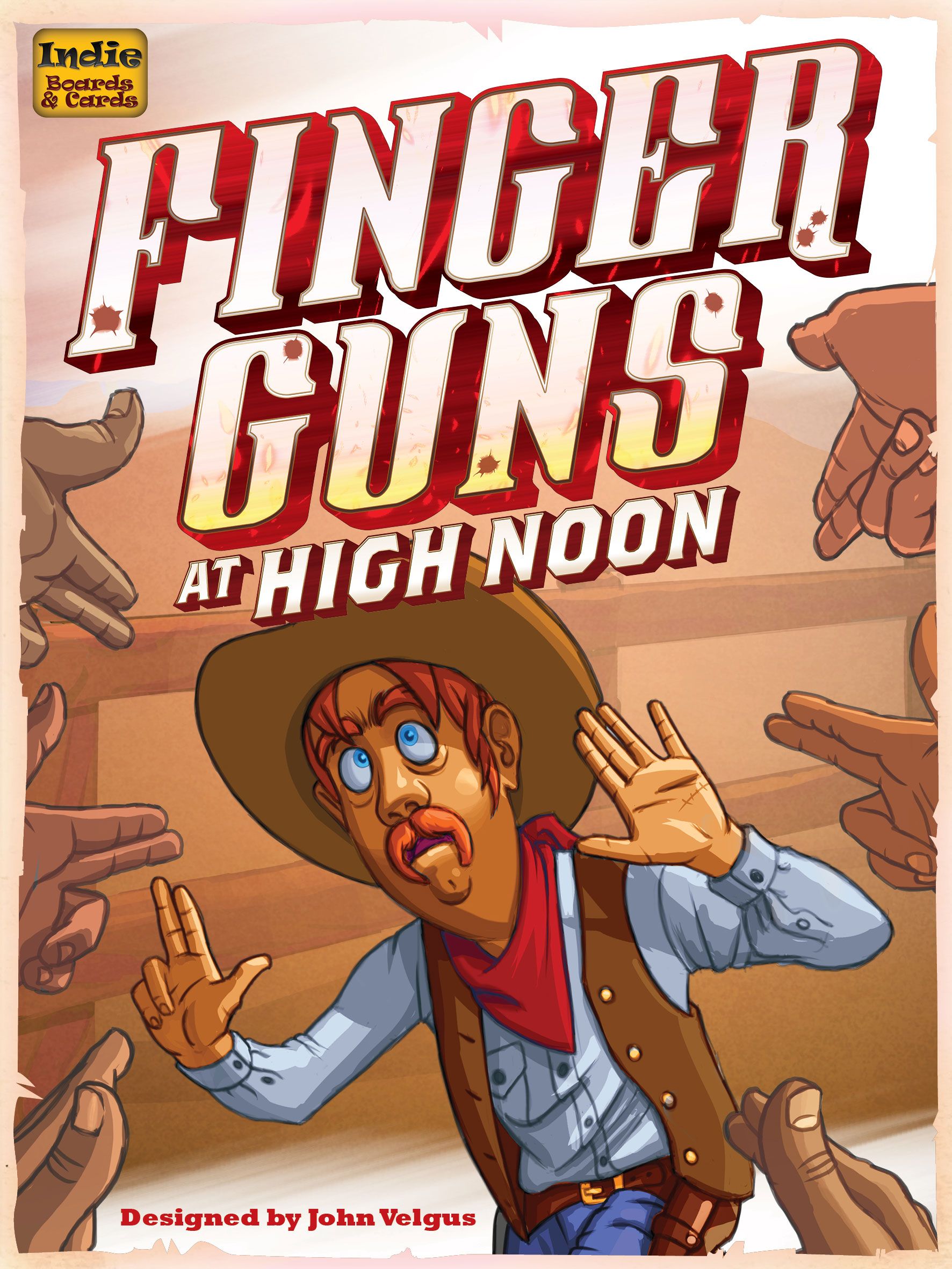
The dynamics are split into two frenetic phases. In the first, the competition is internal: who can transform their heroes first? Players use their hands to make simultaneous gestures, counting fingers (from 0 to 5) in a choreographed rhythm. Whoever has the highest non-repeated number wins and evolves their character. It's the kind of game that sparks shouting and laughter as everyone tries to predict their neighbor's move.
Things get serious in the second phase. The winner of the first stage takes on the role of the ultimate hero, while all other players team up to control the villain, Krang. Now, the game turns into a 'one versus many' clash. If the hero's attack succeeds, Krang takes damage; if the villain counters successfully, the hero loses their powers and reverts to normal. The match ends when Krang is destroyed or when the hero runs out of steam (and powers) to keep fighting.
It's an extremely light game with zero language dependency, making the explanation fast and the onboarding for new players immediate. Ideal for filling the gap between heavier games or introducing the hobby to kids and pop culture fans. Get your hands ready, focus on the rhythm, and try not to get confused while counting fingers, because speed is the soul of the game!
The dynamics are split into two frenetic phases. In the first, the competition is internal: who can transform their heroes first? Players use their hands to make simultaneous gestures, counting fingers (from 0 to 5) in a choreographed rhythm. Whoever has the highest non-repeated number wins and evolves their character. It's the kind of game that sparks shouting and laughter as everyone tries to predict their neighbor's move.
Things get serious in the second phase. The winner of the first stage takes on the role of the ultimate hero, while all other players team up to control the villain, Krang. Now, the game turns into a 'one versus many' clash. If the hero's attack succeeds, Krang takes damage; if the villain counters successfully, the hero loses their powers and reverts to normal. The match ends when Krang is destroyed or when the hero runs out of steam (and powers) to keep fighting.
It's an extremely light game with zero language dependency, making the explanation fast and the onboarding for new players immediate. Ideal for filling the gap between heavier games or introducing the hobby to kids and pop culture fans. Get your hands ready, focus on the rhythm, and try not to get confused while counting fingers, because speed is the soul of the game!
Gallery
Box and component photos
Tap any photo to open fullscreen. Photos submitted by the community or publisher.
Rules videos
Learn by watching before you open the box


Best player count
BGG community vote
3
OK
4
BEST
5
BEST
6
BEST
Soundtrack
Ambience suggested by Melodice
Loading playlist...
Where to Buy
Prices monitored daily
Finding best prices...
Prices unavailable at this time.
Price history — last 6 months (lowest new offer)
Alert enabled!
Join the BoardGamesBot deals group
Get the best board game deals every day — without message spam.
Join the WhatsApp groupGame details
Mechanics, categories, families and credits
Mechanics
Categories
Families
Publisher
GRRRE Games, Buró, Evrikus, The Op Games, Studio Supernova, Tranjis Games, White Goblin Games
Designer
Antoine Bauza, Corentin Lebrat, Ludovic Maublanc, Nicolas Oury, Théo Rivière
Artist
Jaime González García, Xavier Gueniffey Durin
Community
Data from BoardGameGeek
1,003owners
113wishlist
10want to play
Frequently Asked Questions
Quick answers before you buy
Is the game hard to learn?
Not at all! The rules are super simple and the explanation takes just a few minutes. Perfect for those who hate long manuals.
How many people can play?
The game accommodates 3 to 6 players, making it great for medium groups and parties.
How long does a game last?
It's very fast, usually between 10 and 15 minutes.
Can children play?
Yes, it's classified as a children's game, and the finger-counting mechanic is very intuitive for kids.
Do I need to know English to play?
No. The game has zero language dependency, so anyone can play regardless of their language.
Is it a strategic game?
No, the focus here is on dexterity, reflexes, and social fun, not complex strategy.
Other Games You'll Like
Based on mechanics and theme