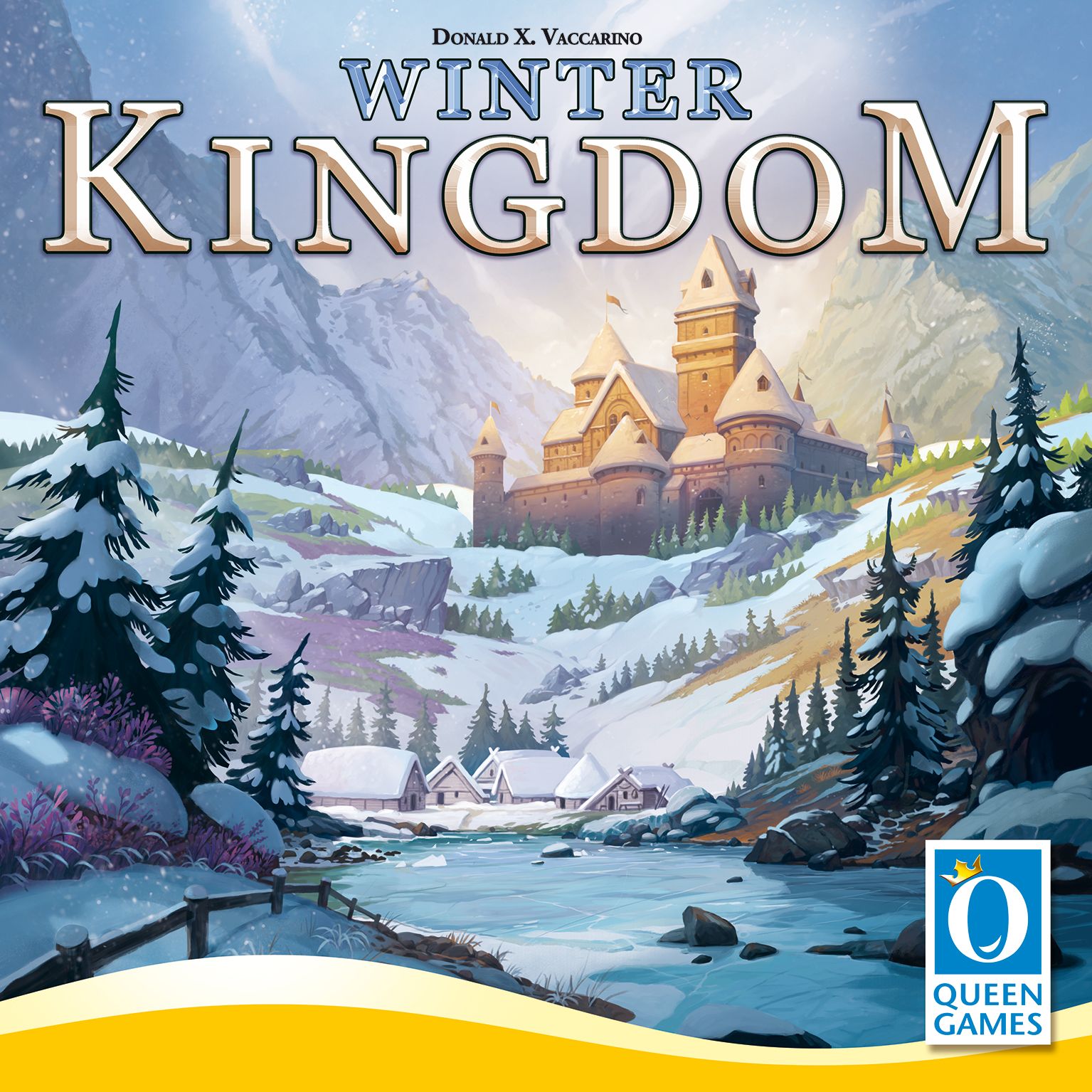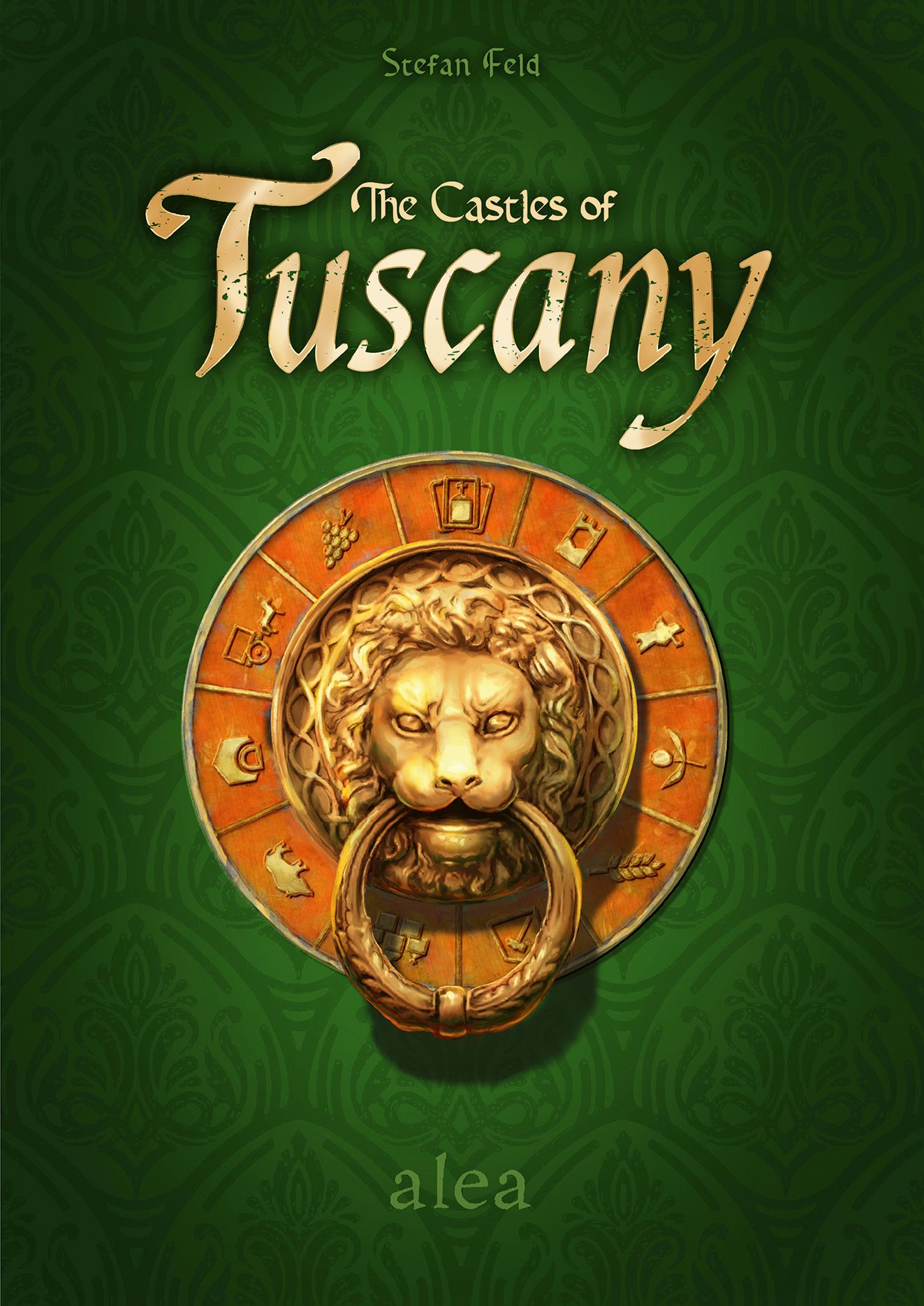
The Castles of Tuscany
alea, Broadway Toys LTD, Galápagos Jogos · Board game · 2020
2–4 · best 2
45–60 min
Weight 2.3/5
Buy
8.0
rating
Ludopedia
7.2
rating
BGG
Our Verdict
RECOMMENDED
Perfect for those who enjoy light Eurogames focused on expansion and spatial planning. Beautiful visuals and satisfying gameplay.
Highlights
- Modular board ensures high replayability
- Immersive and elegant thematic art
- Intuitive tile placement mechanics
- Well-balanced game duration
Keep in mind
- English rules can be confusing
- Scoring can be overly tight
Rules manual not indexed yet
Upload the PDF rulebook to ask questions about this game with AI.
About the game
What you do in a play session
Imagine yourself as an influential prince in 15th-century Tuscany, right at the peak of the Renaissance. Your goal? Transform your lands into a prosperous and enviable domain. In 'The Castles of Tuscany', you manage the expansion of your territory using a tile placement system on a modular board, meaning every game presents a different map for you to conquer.
The dynamics are straightforward yet strategic: each round, you use cards to place tiles that expand your region. You can invest in supporting monasteries, villages, and towns, or focus on extracting marble and delivering goods. Every decision impacts the number of victory points you accumulate. It's the kind of game where you must balance territorial expansion with specific set collection to maximize your score.
The game lasts three rounds, and at the end, the player with the most victory points is crowned the most successful prince of the region. It's a great entry point for those wanting to explore 'Feld' style Eurogames (field/farming games), but with an interesting layer of spatial planning. The artwork is beautiful and transports players straight to Renaissance Italy.
A friendly heads-up: the rules in the English edition can be a bit confusing due to translation and design issues, so if you're playing that version, it's worth checking the community FAQ to avoid getting stuck mid-game. Overall, it's a fluid game with a reasonable playtime that rewards those who plan their tile placement carefully.
The dynamics are straightforward yet strategic: each round, you use cards to place tiles that expand your region. You can invest in supporting monasteries, villages, and towns, or focus on extracting marble and delivering goods. Every decision impacts the number of victory points you accumulate. It's the kind of game where you must balance territorial expansion with specific set collection to maximize your score.
The game lasts three rounds, and at the end, the player with the most victory points is crowned the most successful prince of the region. It's a great entry point for those wanting to explore 'Feld' style Eurogames (field/farming games), but with an interesting layer of spatial planning. The artwork is beautiful and transports players straight to Renaissance Italy.
A friendly heads-up: the rules in the English edition can be a bit confusing due to translation and design issues, so if you're playing that version, it's worth checking the community FAQ to avoid getting stuck mid-game. Overall, it's a fluid game with a reasonable playtime that rewards those who plan their tile placement carefully.
Gallery
Box and component photos
Tap any photo to open fullscreen. Photos submitted by the community or publisher.
Rules videos
Learn by watching before you open the box



Best player count
BGG community vote
2
BEST
3
BEST
4
REC
Soundtrack
Ambience suggested by Melodice
Loading playlist...
Where to Buy
Prices monitored daily
Finding best prices...
Prices unavailable at this time.
Price history — last 6 months (lowest new offer)
As an Amazon Associate I earn from qualifying purchases. Prices and availability subject to change.
Alert enabled!
Join the BoardGamesBot deals group
Get the best board game deals every day — without message spam.
Join the WhatsApp groupGame details
Mechanics, categories, families and credits
Mechanics
Categories
Families
Publisher
alea, Broadway Toys LTD, Galápagos Jogos, Rebel Sp. z o.o.
Designer
Stefan Feld
Artist
Antje Stephan, Claus Stephan
Community
Data from BoardGameGeek
Frequently Asked Questions
Quick answers before you buy
Is the game too complex for beginners?
Not at all! It's considered a great introduction to 'Feld' style games. The mechanics are simple but reward strategic planning.
How long does a game typically last?
Usually between 45 and 60 minutes, depending on the player count and how much 'analysis paralysis' hits the table.
Does it work well with 2 players?
Yes, the game scales well from 2 to 4 players, keeping the competition tight.
Do I need fluent English to play?
Not really; there's very little text, and most information is visual or easily memorized.
What is the 'Feld' style mentioned?
These are games focused on developing land, producing resources, and expanding domains, usually emphasizing efficiency.
Other Games You'll Like
Based on mechanics and theme