Grasse: Mestres Perfumistas
Ludens Spirit · Board game · 2018
2–4 · best 4
60–90 min
Weight 2.4/5
Buy
8.2
rating
Ludopedia
8.1
rating
BGG
Our Verdict
RECOMMENDED
Perfect for those who love production-based Eurogames and economic management with an elegant and unique theme.
Highlights
- Highly original and immersive theme
- Excellent implementation of the Rondel
- Satisfying production chain
- Multiple paths to victory
Keep in mind
- Learning curve for beginners
- Pacing can slow down with 4 players
Rules manual not indexed yet
Upload the PDF rulebook to ask questions about this game with AI.
About the game
What you do in a play session
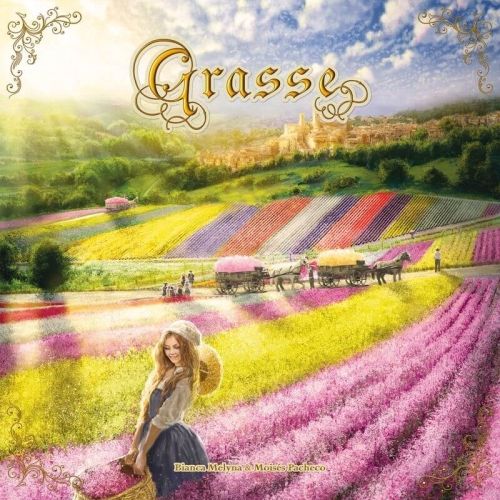
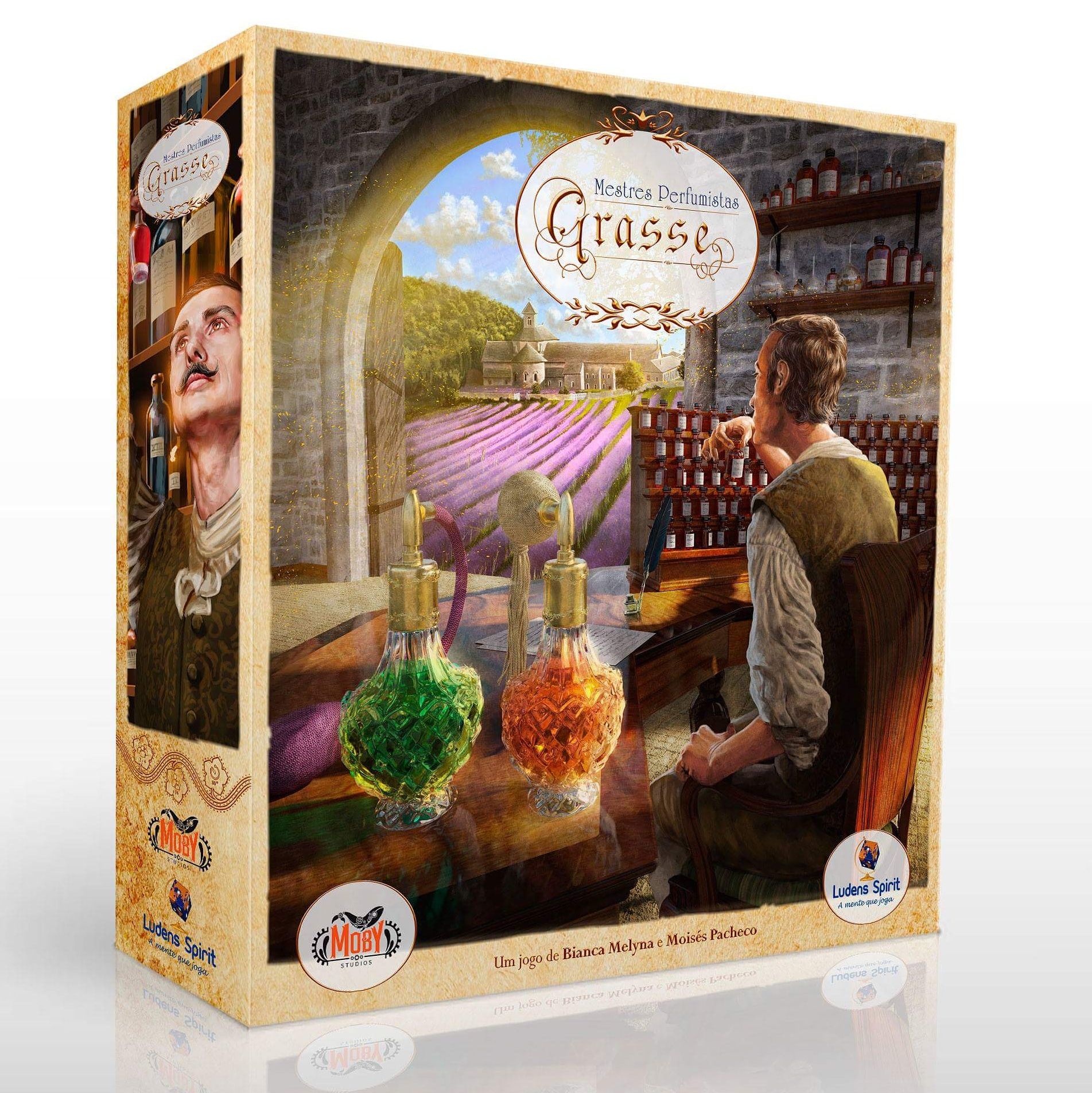
Ever thought about dominating the art of perfumery in the 19th century? In Grasse: Masters of Perfume, you travel to the fragrance capital of the world to build your olfactory empire. The game puts you in charge of a production line where precision and strategy are everything. Your goal is simple yet challenging: collect the best bases and essences to create perfumes that captivate the market.
The heart of the game lies in resource management and the clever use of the Rondel. You'll need to move your pawns strategically to acquire the right raw materials—ranging from local lavender and acacia to imported jasmine and rose seedlings. But gathering isn't enough; you must know how to transform them into products. You can choose to create classic perfumes, which are safer, or take a risk with avant-garde fragrances to stand out.
The dynamics involve trading, purchasing, and activating special buildings to optimize your production. The game rewards different playstyles: you can be the master of versatility, a specialist in a specific niche, the king of sales, or the best exhibitor. It's an economic Eurogame with an interesting technical layer, where every worker placement decision impacts your ability to produce and sell.
Set in the Provence region, the game captures the essence of the era when Grasse became the epicenter of perfumery savoir-faire. You'll have to deal with competition and market pressure to ensure your brand is the most remembered in the city. If you enjoy industry management games with clear production chains and a touch of history, Grasse is the right choice. Prepare your nose (metaphorically!) and try to become the greatest master perfumer in the region!
The heart of the game lies in resource management and the clever use of the Rondel. You'll need to move your pawns strategically to acquire the right raw materials—ranging from local lavender and acacia to imported jasmine and rose seedlings. But gathering isn't enough; you must know how to transform them into products. You can choose to create classic perfumes, which are safer, or take a risk with avant-garde fragrances to stand out.
The dynamics involve trading, purchasing, and activating special buildings to optimize your production. The game rewards different playstyles: you can be the master of versatility, a specialist in a specific niche, the king of sales, or the best exhibitor. It's an economic Eurogame with an interesting technical layer, where every worker placement decision impacts your ability to produce and sell.
Set in the Provence region, the game captures the essence of the era when Grasse became the epicenter of perfumery savoir-faire. You'll have to deal with competition and market pressure to ensure your brand is the most remembered in the city. If you enjoy industry management games with clear production chains and a touch of history, Grasse is the right choice. Prepare your nose (metaphorically!) and try to become the greatest master perfumer in the region!
Gallery
Box and component photos
Tap any photo to open fullscreen. Photos submitted by the community or publisher.
Best player count
BGG community vote
2
REC
3
BEST
4
BEST
Soundtrack
Ambience suggested by Melodice
Loading playlist...
Where to Buy
Prices monitored daily
Finding best prices...
Prices unavailable at this time.
Price history — last 6 months (lowest new offer)
As an Amazon Associate I earn from qualifying purchases. Prices and availability subject to change.
Alert enabled!
Join the BoardGamesBot deals group
Get the best board game deals every day — without message spam.
Join the WhatsApp groupGame details
Mechanics, categories, families and credits
Mechanics
Categories
Families
Publisher
Ludens Spirit
Designer
Bianca Melyna, Moisés Pacheco de Souza
Artist
Orly Wanders, William Magri
Community
Data from BoardGameGeek
203owners
56wishlist
7want to play
Frequently Asked Questions
Quick answers before you buy
Is the game too complex?
It's classified as an 'Expert' game. If you're familiar with Eurogames, you'll pick it up quickly, but beginners might find the production rules a bit demanding.
How long does a game take?
Usually between 60 and 90 minutes, depending on the group's experience and the number of players.
Does it work well with 2 players?
Yes, the game is balanced for 2 to 4 players, maintaining the tension of resource competition even in a two-player game.
Is it a game of luck or strategy?
Strategy dominates. Luck is minimal, focusing almost entirely on turn planning and production optimization.
Who would I recommend this game to?
To those who enjoy industry management games, set collection, and players who appreciate historical and elegant themes.
Other Games You'll Like
Based on mechanics and theme