7.7
rating
Ludopedia
6.9
rating
BGG
Our Verdict
Love building big things and defending your castle (oops, abbey!) against chaos? The King's Abbey calls you to get your hands dirty (and roll some dice!).
Highlights
- Thematic abbey construction
- Dice-driven monk placement
- Defending against 'darkness'
- Strategic resource management
Keep in mind
- Moderate language dependency
- Initial learning curve
- Can be lengthy
RECOMMENDED
Rules manual not indexed yet
Upload the PDF rulebook to ask questions about this game with AI.
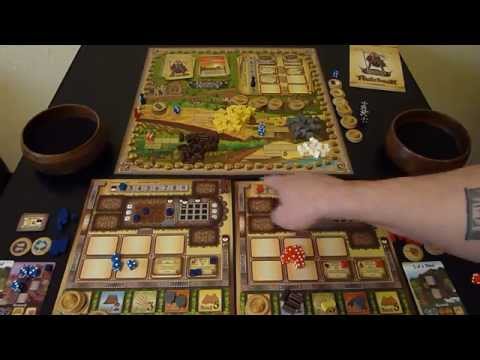
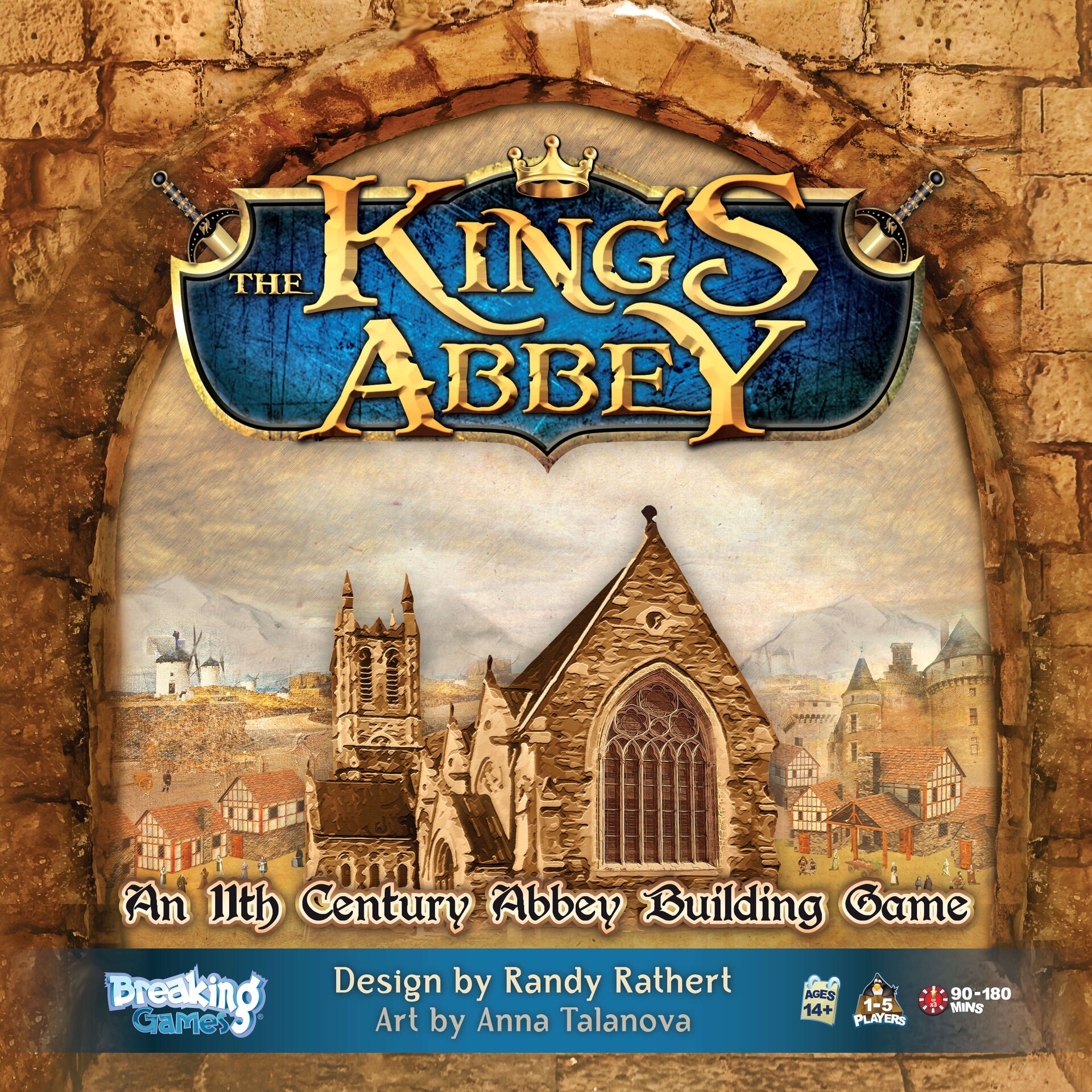
In AD 1096, King Sivolc dreams of lifting Europe out of the Dark Ages by constructing a magnificent Gothic abbey. To achieve this, he relies on the master architect Elias and skilled monks. In The King's Abbey, you take on the role of one of these monks, tasked with managing the construction of your own abbey. Each player has a personal board representing their monastery under construction. The core mechanic revolves around worker placement (your 10 dice representing monks) to gather resources like wood, grain, stone, and sand, essential for erecting structures. Beyond building, your monks can embark on crusades, train clergy, and bring in peasants to work, all while defending the abbey against the growing threats of 'darkness' – famine, raids, and despair plaguing the era. Each successful action, whether in crusades or constructing towers and buildings, earns prestige (victory points). The game unfolds over seven rounds, with the 'darkness' intensifying each phase, requiring you to keep your abbey's defenses strong. The goal is to accumulate the most prestige by the end of the seventh round. Whoever has the most points wins and helps rewrite history!
The game blends resource management with a thematic worker placement mechanic. Dice rolling adds an element of luck and unpredictability when assigning your monks, but strategic placement is crucial. With a considerable playtime and an intermediate-to-high complexity level, The King's Abbey offers an immersive experience for those who enjoy building and managing in a rich historical setting.
GALLERY
11 photos · from the community
Tap any photo to open fullscreen. Photos submitted by the community or publisher.
In English
1
REC
2
REC
3
REC
4
BEST
5
BEST
Loading playlist...
Finding best prices...
Prices unavailable at this time.
Price history — last 6 months (lowest new offer)
Mechanics
Categories
Families
Publisher
Breaking Games
Designer
Randy Rathert
Artist
Anna Talanova, Randy Rathert
What is the average playtime for 2 players?
For 2 players, expect around 90 to 120 minutes, but it can vary depending on familiarity with the rules.
Is the game very complex? Is it good for beginners?
The King's Abbey has a medium-high complexity rating (3.29/5 on BGG). It's not the simplest for newcomers, but players with some experience in strategy games will adapt well, especially with a translated guide.
Do I need to know English to play?
Yes, the game has moderate language dependency. Cards and some components have text, so a translated sheet or printed cards are recommended for a smoother experience.
How does the 'darkness' work in the game?
The 'darkness' is a mechanic representing the dangers of the Dark Ages (famine, raids, etc.) and it increases each round. You need to manage your abbey's defenses to mitigate these effects and avoid penalties.
Can I play alone?
Absolutely! The King's Abbey offers a solo mode for up to 5 players, allowing you to manage your abbey against the challenges presented by the game.
How many dice do I use?
Each player uses 10 dice representing their monks. You roll these dice at the start of each round and allocate them to different spaces to perform actions.