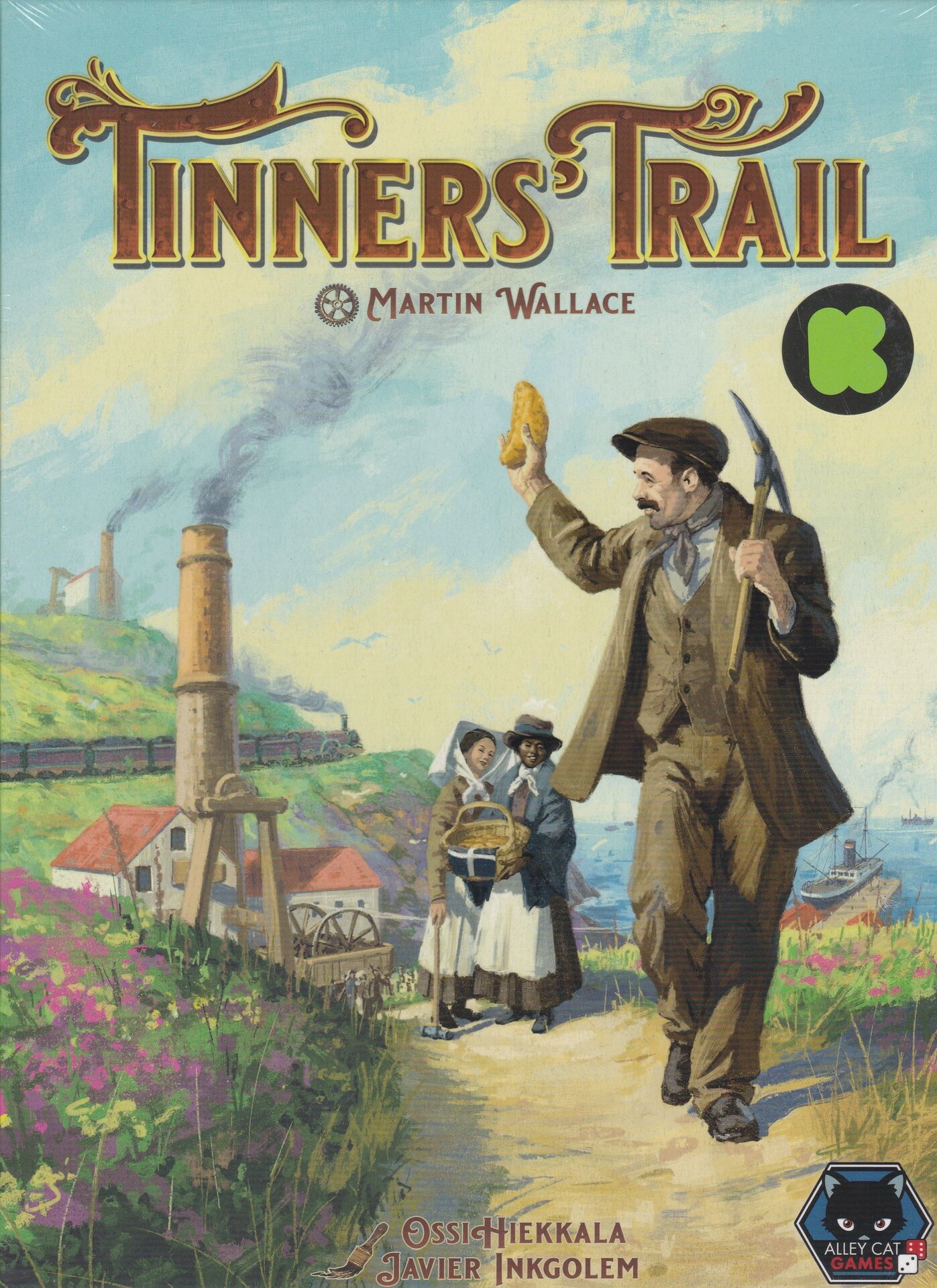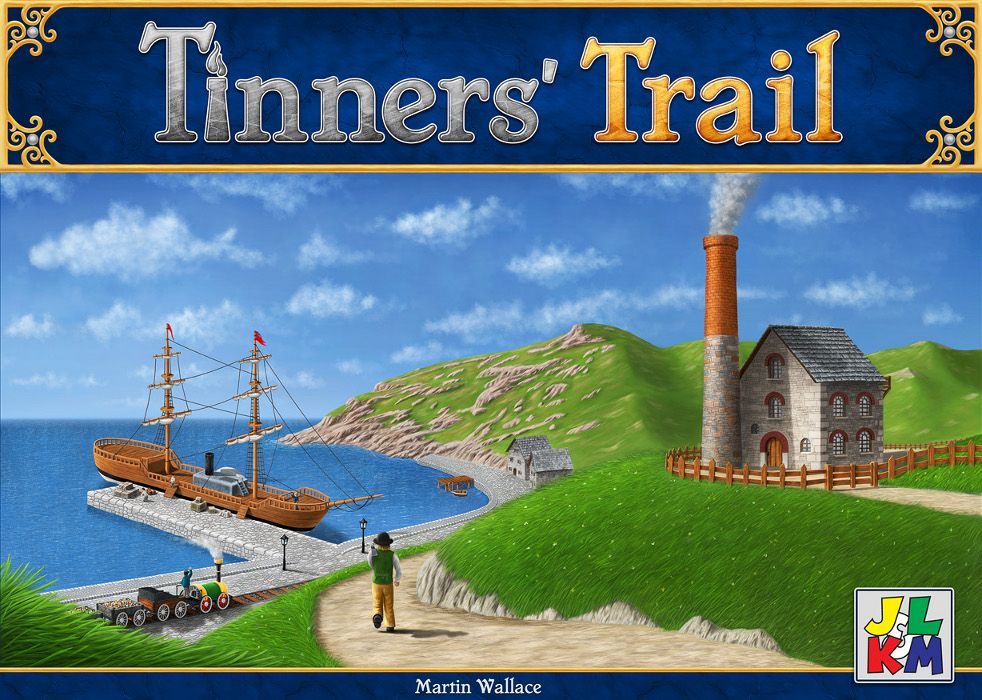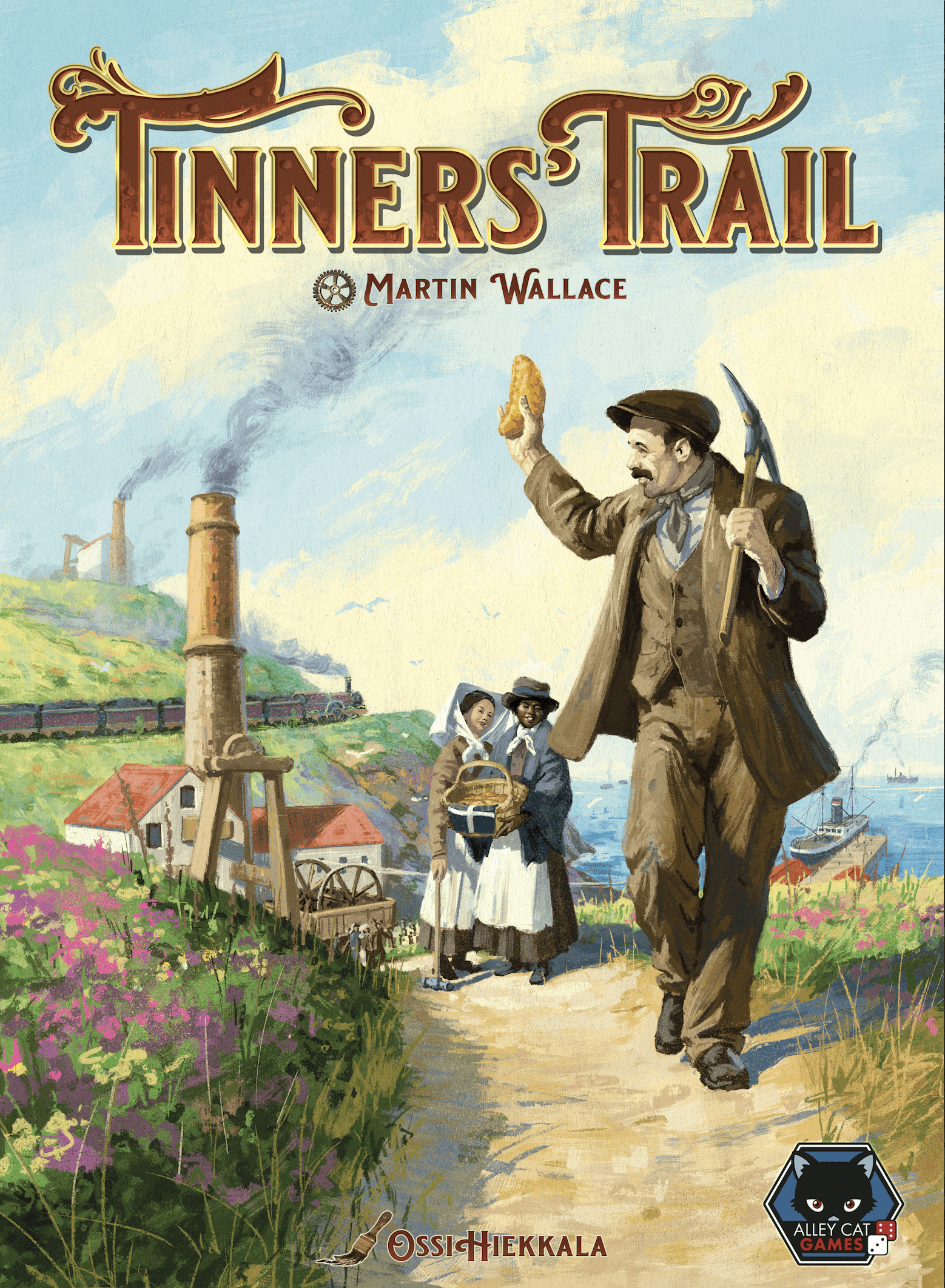
Tinners' Trail (Second Edition)
Alley Cat Games, Maldito Games, PHALANX · Board game · 2021
1–5 · best 3
Solo
60–90 min
Weight 2.9/5
Buy · from US$ 22.47
—
rating
Ludopedia
7.1
rating
BGG
Our Verdict
RECOMMENDED
If you love planning investments and mastering a mining market, Tinners' Trail will hook you.
Highlights
- Well‑balanced resource management
- Strategic auctions
- Immersive historical setting
Keep in mind
- Some randomness in surveying
- Moderate learning curve
Rules manual not indexed yet
Upload the PDF rulebook to ask questions about this game with AI.
About the game
What you do in a play session
Tinners' Trail (Second Edition) drops players into 19th‑century Cornwall, the heyday of tin and copper mining. Each player runs a mining conglomerate, buying land parcels at auctions and surveying them for ore content. Once a plot is secured, you must spend work points and cash to open a shaft, dig deeper, and extract ore. Deeper shafts cost more, but you can mitigate expenses by building improvements such as ports, train stations, and drainage adits – though these upgrades are limited and contested.
Revenue from ore sales can be used to speculate on the market, aiming to sell when prices peak, and later to invest in industries outside Cornwall, which award victory points. Early investments yield higher returns, making timing essential. The second edition expands player count to 1‑5, replaces die‑rolled resource placement with tile‑based variable setup (preserving variety while cutting randomness), and introduces dual‑use cards that provide intel before auctions or extra boosts after them. The game blends auction bidding, action‑point management, commodity speculation, and market simulation in a 60‑90 minute session with a light weight (2.9/5). Perfect for fans of economic strategy, investment decisions, and a dash of industrial‑revolution history.
Revenue from ore sales can be used to speculate on the market, aiming to sell when prices peak, and later to invest in industries outside Cornwall, which award victory points. Early investments yield higher returns, making timing essential. The second edition expands player count to 1‑5, replaces die‑rolled resource placement with tile‑based variable setup (preserving variety while cutting randomness), and introduces dual‑use cards that provide intel before auctions or extra boosts after them. The game blends auction bidding, action‑point management, commodity speculation, and market simulation in a 60‑90 minute session with a light weight (2.9/5). Perfect for fans of economic strategy, investment decisions, and a dash of industrial‑revolution history.
Gallery
Box and component photos
Tap any photo to open fullscreen. Photos submitted by the community or publisher.
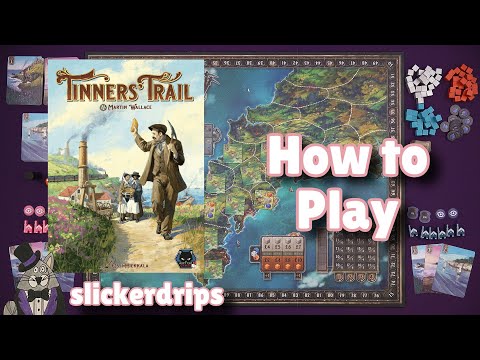
Rules videos
Learn by watching before you open the box



Best player count
BGG community vote
1
OK
2
REC
3
BEST
4
REC
5
REC
Soundtrack
Ambience suggested by Melodice
Loading playlist...
Where to Buy
Prices monitored daily
Finding best prices...
Prices unavailable at this time.
Price history — last 6 months (lowest new offer)
As an Amazon Associate I earn from qualifying purchases. Prices and availability subject to change.
Alert enabled!
Join the BoardGamesBot deals group
Get the best board game deals every day — without message spam.
Join the WhatsApp groupGame details
Mechanics, categories, families and credits
Mechanics
Categories
Families
Publisher
Alley Cat Games, Maldito Games, PHALANX, 株式会社ケンビル (KenBill)
Designer
Martin Wallace
Artist
Javier González Cava, Ossi Hiekkala
Community
Data from BoardGameGeek
4,347owners
606wishlist
81want to play
Frequently Asked Questions
Quick answers before you buy
How many players can play?
1 to 5 players, including solo play.
What is the playing time?
Typically 60–90 minutes, varying with player count.
How complex is the game?
BGG weight 2.9/5, light to moderate complexity.
What components are included?
Modular board, resource tiles, dual‑use cards, action‑point markers, dice, money tokens, mine miniatures, and development pieces.
Who is the game best suited for?
Fans of economic games, auctions, and industrial‑revolution themed experiences.
Other Games You'll Like
Based on mechanics and theme