How to Play Wabash Cannonball
Queen Games, Winsome Games, M-Ágnes · Board game · 2007- Players
- 2–6 · best 4
- Play Time
- 30–60 min
- Weight
- Weight 2.8/5
- Year
- Year 2007
- Minimum age
- Minimum age 12+
Video: How to Play
Start here, then follow the written guide
Step by step
1. Game Objective
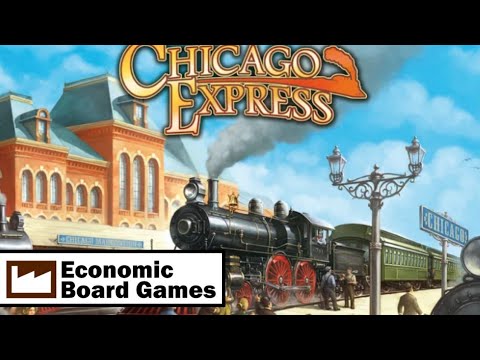
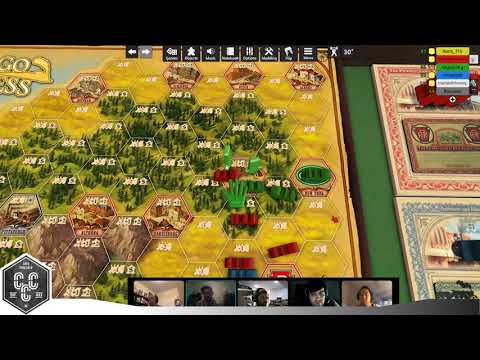
In Chicago Express, players act as railroad investors in the 19th century. The main goal is to accumulate the most money by the end of the game. To do this, you must strategically invest in Shares of different railroads, expand their rail networks across the board, and develop cities to increase company income, ensuring that the Dividends paid to shareholders are as profitable as possible.
2. Setup
- Place the board in the center of the table and place the Railroad Income Board above it.
- Designate a Banker, who will distribute $120 divided by the number of players to each participant.
- Place the cubes for each railroad (NYC, PA, B&O, C&O, and Wabash) in their respective Starting Cities and mark their initial income on the Railroad Income Board track.
- Place the purple Development cubes and the Beige cubes (on the Decision and Industrial City Income tracks) as indicated on the board.
- Initial Auctions: Conduct auctions for the first Shares of the PA, B&O, C&O, and NYC railroads, in that order. The minimum bid is the current dividend value of the railroad. The money paid goes into the corresponding Railroad Treasury.
3. Game Flow
The game begins with the player who acquired the first Share of the PA and proceeds clockwise. On their turn, the player must choose one of the three Decisions available on the Decision Track and move the corresponding Beige cube to the next space to the right.
The Decisions are: Capitalization, Development, or Expansion. If a decision cube is already on the "End" space, it cannot be chosen.
After executing the action, check if two of the three Decisions are on the "End" space. If they are, a General Dividend payment occurs.
4. Actions and How to Play
- Capitalization: Allows you to put an unsold Share of a railroad up for auction. The minimum bid is the current dividend of the railroad. The amount raised goes to the Railroad Treasury.
- Development: Allows you to develop a hex (Lumber, Mine, City, or Industrial City) where a railroad already has tracks. This increases the railroad's income or generates immediate cash (in the case of Lumber). Detroit is developed automatically after each General Dividend.
- Expansion: Allows you to build up to 3 tracks for a railroad of which the player owns at least one Share. The cost is paid by the Railroad Treasury. The construction cost increases as more railroads occupy the same hex.
Special Events:
- Chicago Dividends: Occur when a railroad reaches Chicago. The amount is the railroad's income divided by the number of shares sold (rounded down).
- Wabash Opening: Occurs after the first railroad reaches Chicago. The Wabash enters the game and its first Share is auctioned.
- General Dividends: Paid when two Decisions reach the "End" space. The amount is the railroad's income divided by the number of shares sold (rounded up). After payment, the Decision cubes return to the "Start".
5. End of Game and Scoring
The game ends immediately after a General Dividend payment if one of the following conditions is met:
- 3 or more railroads have built all their tracks.
- 3 or more railroads have sold all their shares.
- There are 3 or fewer Development cubes available.
- Detroit is fully developed (income has reached 8).
The winner is the player with the most money on hand. Ties are possible.
6. Tips for Winning
- Pay attention to construction costs: building in hexes where other railroads are already present becomes progressively more expensive (double, triple, etc.), which can drain the Railroad Treasury quickly.
- Monitor opponents' Decisions: since General Dividends occur when two decisions reach the "End", you can manipulate the pace of the game to force payments at times favorable to your shares or to accelerate the end of the game.
More videos
More rules explanations from the community
Frequently Asked Questions
Quick answers about the rules
What is the objective of Wabash Cannonball?
How do you set up Wabash Cannonball?
How do you play Wabash Cannonball?
How does Wabash Cannonball end, and how do you score?
What are some tips for winning Wabash Cannonball?
Other Games You'll Like
Based on mechanics and theme