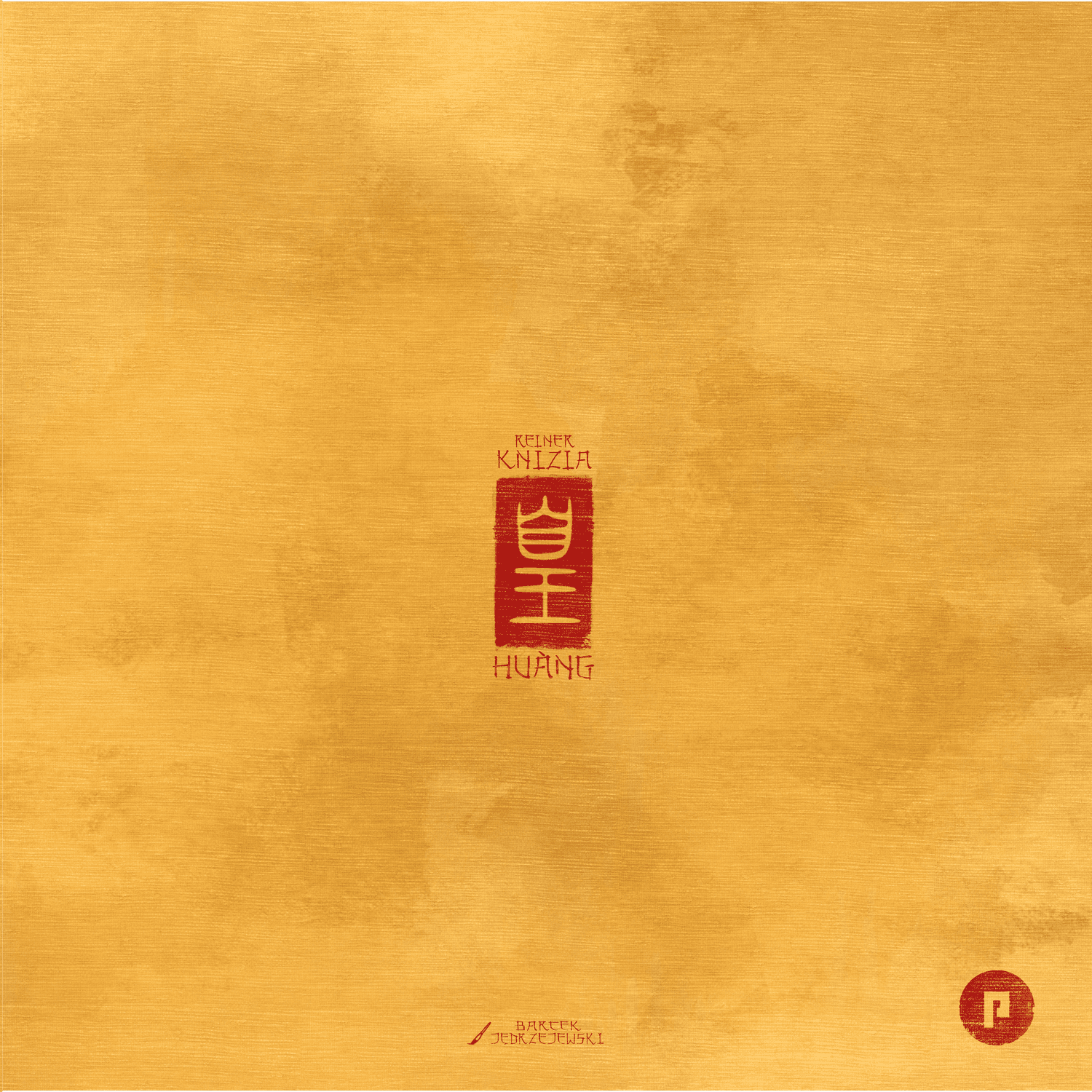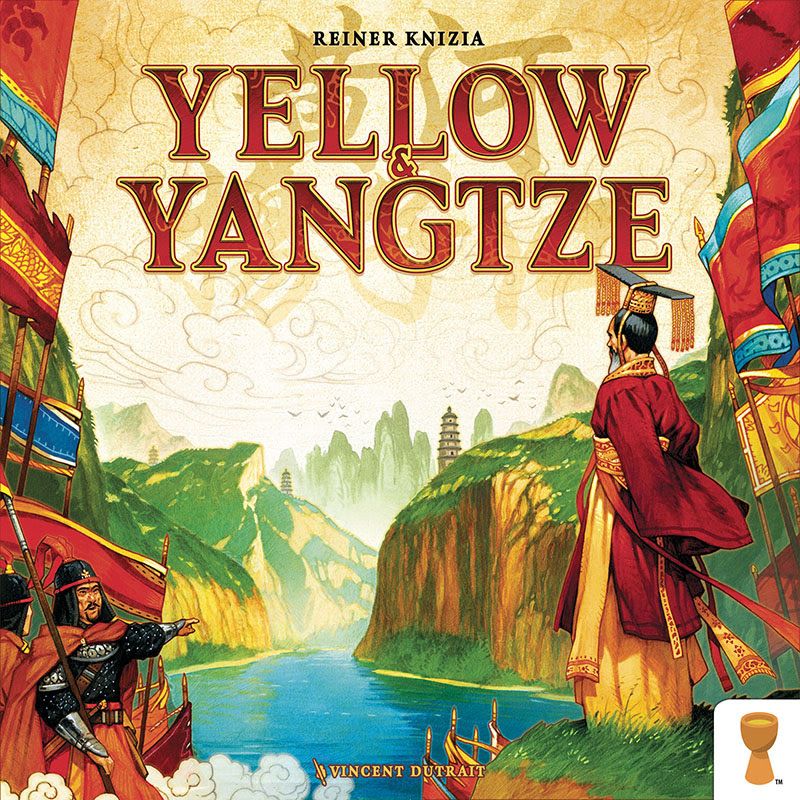
Yellow & Yangtze — Price & soundtrack
Grail Games, 17wanzy (Yihu BG), Lavka Games · Board game · 2018Perfect for those who love pure strategy and civilization games with high interaction. The 'weakest link' scoring system is brilliant and keeps everyone on their toes.
- Unique and challenging scoring system
- Direct interaction and constant tension
- Elegant and minimalist design
- Incredible strategic depth
- Steep learning curve
- Can be punishing for beginners
About the game
What you do in a play session
The heart of the experience lies in tile placement to expand your civilization. You have five different leaders at your disposal — Governor, Soldier, Farmer, Trader, and Artisan — and each generates victory points in their respective category. Here is the twist: your final score is not the sum of everything, but rather the value of your weakest category. This means it's pointless to have the world's most powerful army if your economy is abysmal; you must develop all pillars of your society evenly to win.
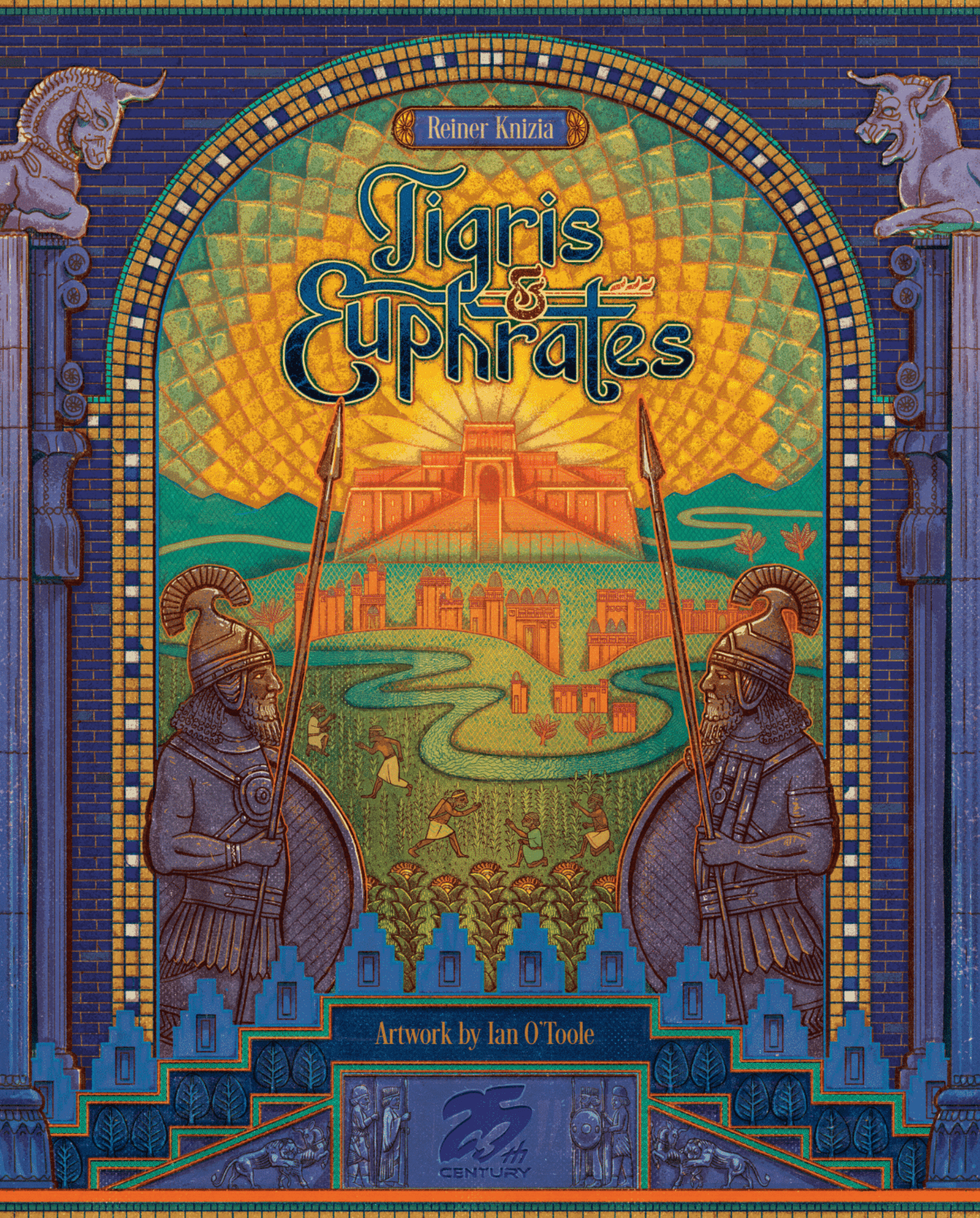
As you expand your territory, you will inevitably clash with your opponents. Conflicts arise when civilizations connect on the board, requiring you to survive these disputes, quell peasant revolts, and eventually build prestigious pagodas to consolidate your power. It's a game of tug-of-war, where hand management and board reading are essential. If you enjoy deep strategy games with a 'eurogame' feel but with direct interaction and constant tension, this title is a perfect fit. It is the spiritual sibling of the acclaimed Tigris & Euphrates, bringing the same design genius to the banks of the Yellow and Yangtze rivers.
Gallery
Box and component photos
Tap any photo to open fullscreen. Photos submitted by the community or publisher.
Rules videos
Learn by watching before you open the box


Best player count
BGG community vote
Soundtrack
Ambience suggested by Melodice
Where to Buy
Prices monitored daily
Price history — last 6 months (lowest new offer)
As an Amazon Associate I earn from qualifying purchases. Prices and availability subject to change.
Alert enabled!
Join the BoardGamesBot deals group
Get the best board game deals every day — without message spam.
Join the WhatsApp groupGame details
Mechanics, categories, families and credits
Mechanics
Categories
Families
Community
Data from BoardGameGeek
Frequently Asked Questions
Quick answers before you buy
Is the game too complex?
How long does a game last?
Does it work well with 2 players?
Do I need to know Tigris & Euphrates to play?
Who do you recommend this game for?
Does the game's language affect gameplay?
Other Games You'll Like
Based on mechanics and theme