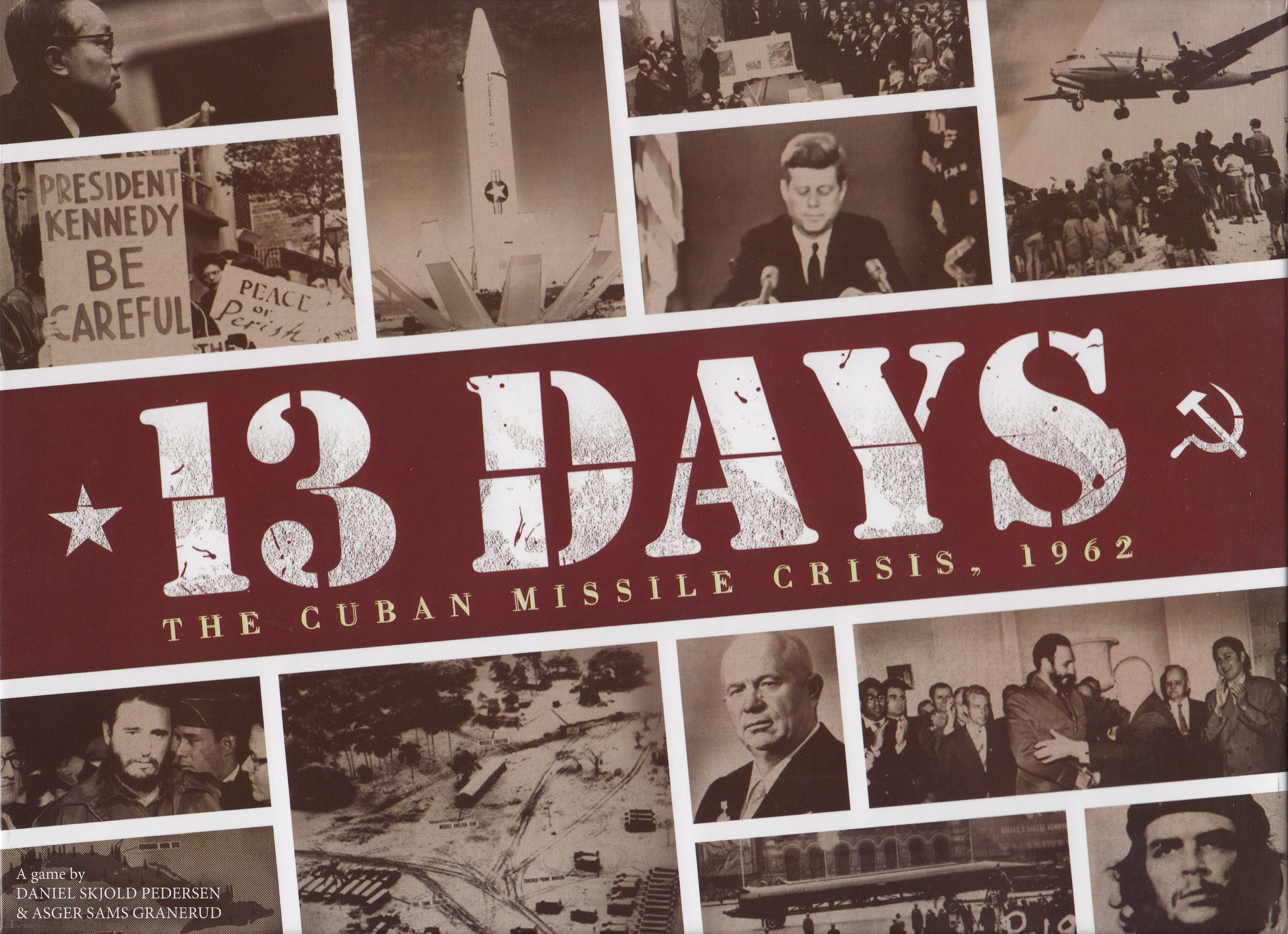
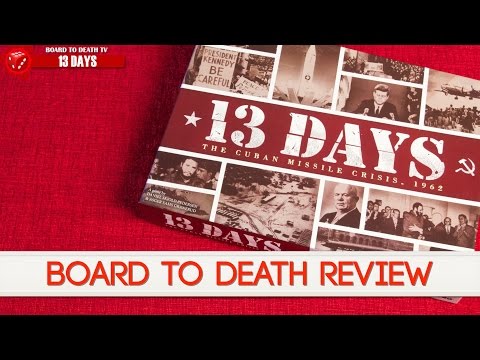
13 Days: The Cuban Missile Crisis, 1962
Jolly Roger Games, Ultra PRO, Cranio Creations · Board game · 2015
2 · best 2
45 min
Weight 2.3/5
Buy · from US$ 25.63
13.0
rating
Ludopedia
7.2
rating
BGG
Our Verdict
RECOMMENDED
If you love historical tension and want a quick game, this one’s for you! 13 Days delivers Cold War drama in 45 minutes.
Highlights
- Fast decisions
- Card management
- Historical tension
Keep in mind
- Influence repetition
- Easy learning curve
Rules manual not indexed yet
Upload the PDF rulebook to ask questions about this game with AI.
About the game
What you do in a play session
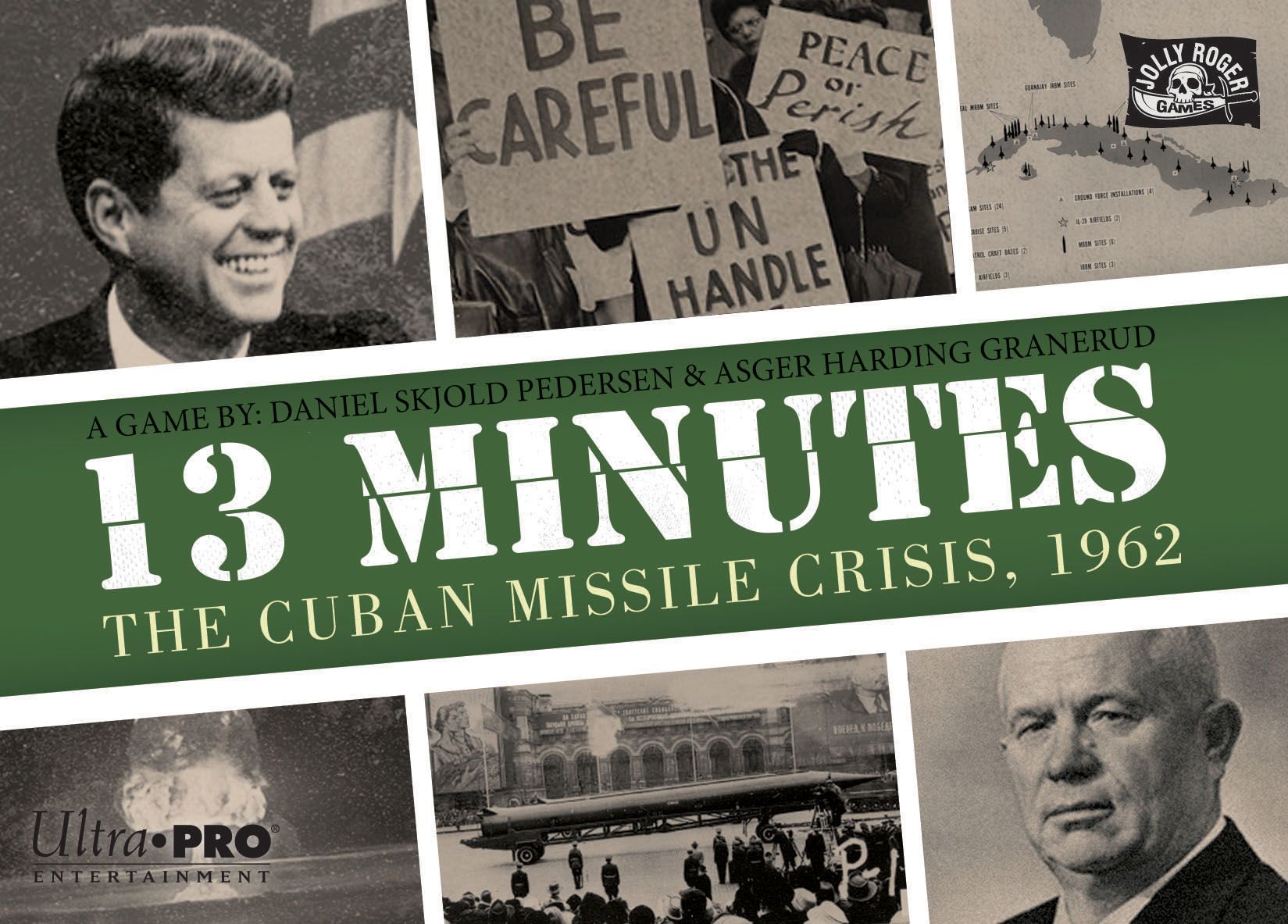
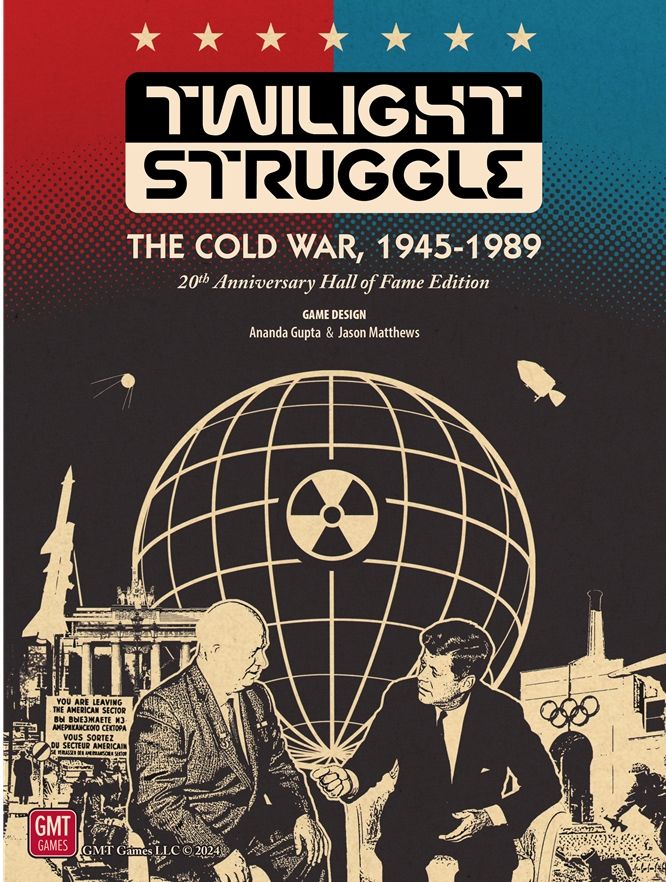
13 Days: The Cuban Missile Crisis drops you into the heart of Cold War tension in just 45 minutes. Instead of spending hours on a full-length Twilight Struggle, the Cuban missile crisis unfolds over thirteen days of critical decisions, each represented by cards that capture diplomatic moves, military actions, and pivotal events. The game is a two‑player duel, with each side—USA or Soviet Union—trying to gain influence in key territories while avoiding a nuclear escalation.
The core mechanic is card management: you hold a limited hand and must decide when to play each action, when to place advantage tokens, and how to react to events that can change the course of the conflict. There’s also an Area Majority mechanic that allows you to control zones like Cuba, Florida, and the Caribbean, granting influence bonuses. Tension builds with Take That to strip the opponent’s cards and Tug of War to vie for resources. At the end, end‑game bonuses reward whoever has most influence or has avoided war.
For fans of historical war games who don’t want a 6–8 hour marathon, 13 Days offers an intense yet accessible experience. It demands strategic thinking but doesn’t require prior knowledge of the crisis; components are simple—cards, tokens, and a small board—and the learning curve is steep. If you want to test your diplomacy and strategy in a high‑stakes setting, this game is the right pick.
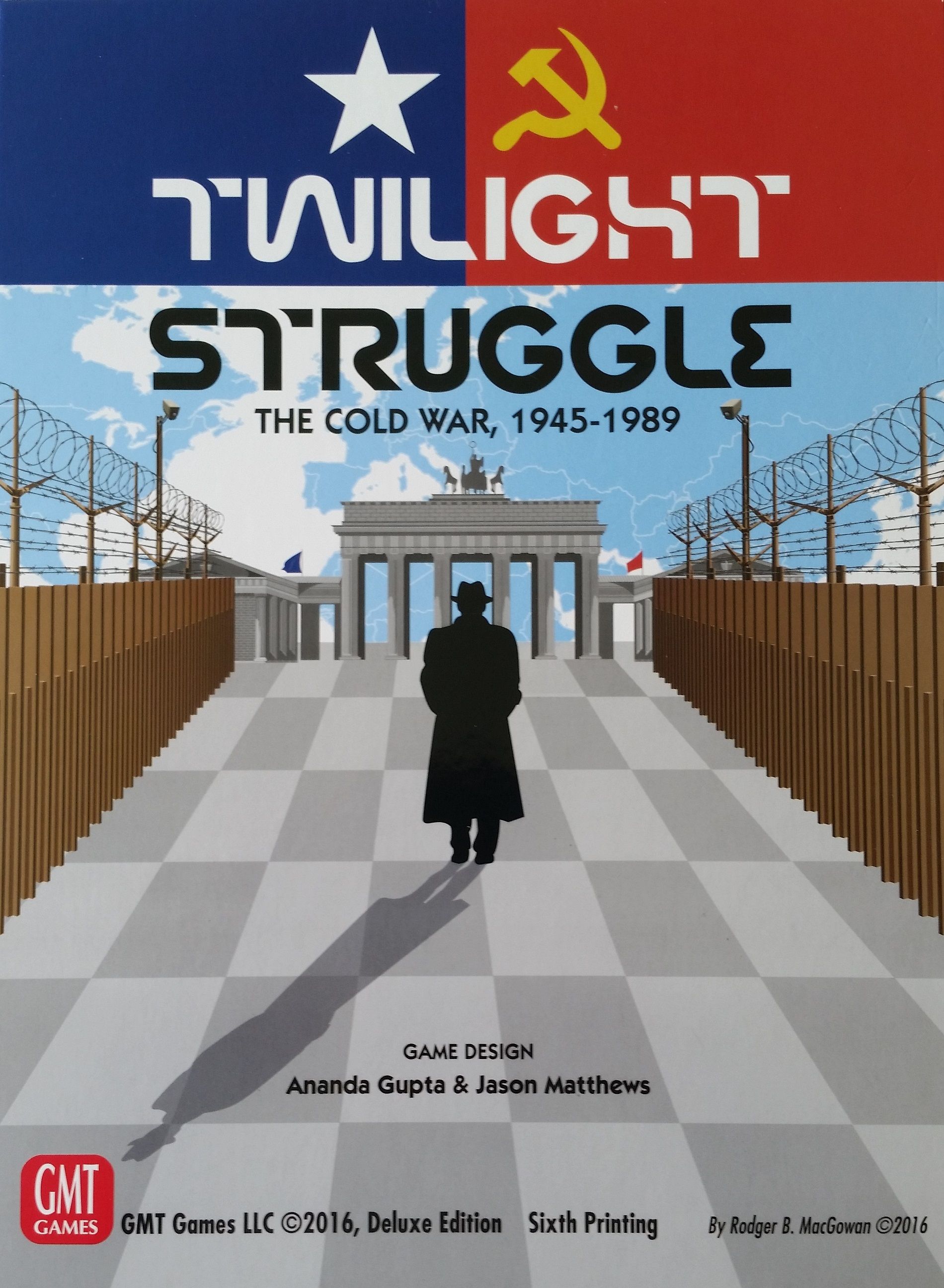
The design was crowdfunded on Kickstarter, showing a market for well‑crafted Cold War titles. A VASSAL digital implementation also lets you play online against friends. In short, 13 Days is a two‑player strategy game that blends historical tension, quick decisions, and balanced card mechanics—perfect for those who want something shorter than Twilight Struggle but deeper than a simple two‑player board game.
With a 2.3396/5 on BGG and a 13/20 on Ludopedia, the game has solid reception, though some players note that the influence mechanic can feel repetitive after multiple playthroughs. Still, the tension and sense of being at the crisis’s center make it worth trying.
If you’re a fan of war, politics, or history games and want a challenge in a short timeframe, 13 Days delivers that mix of tension, speed, and depth.
The core mechanic is card management: you hold a limited hand and must decide when to play each action, when to place advantage tokens, and how to react to events that can change the course of the conflict. There’s also an Area Majority mechanic that allows you to control zones like Cuba, Florida, and the Caribbean, granting influence bonuses. Tension builds with Take That to strip the opponent’s cards and Tug of War to vie for resources. At the end, end‑game bonuses reward whoever has most influence or has avoided war.
For fans of historical war games who don’t want a 6–8 hour marathon, 13 Days offers an intense yet accessible experience. It demands strategic thinking but doesn’t require prior knowledge of the crisis; components are simple—cards, tokens, and a small board—and the learning curve is steep. If you want to test your diplomacy and strategy in a high‑stakes setting, this game is the right pick.
The design was crowdfunded on Kickstarter, showing a market for well‑crafted Cold War titles. A VASSAL digital implementation also lets you play online against friends. In short, 13 Days is a two‑player strategy game that blends historical tension, quick decisions, and balanced card mechanics—perfect for those who want something shorter than Twilight Struggle but deeper than a simple two‑player board game.
With a 2.3396/5 on BGG and a 13/20 on Ludopedia, the game has solid reception, though some players note that the influence mechanic can feel repetitive after multiple playthroughs. Still, the tension and sense of being at the crisis’s center make it worth trying.
If you’re a fan of war, politics, or history games and want a challenge in a short timeframe, 13 Days delivers that mix of tension, speed, and depth.
Gallery
Box and component photos
Tap any photo to open fullscreen. Photos submitted by the community or publisher.
Rules videos
Learn by watching before you open the box


Best player count
BGG community vote
2
BEST
Soundtrack
Ambience suggested by Melodice
Loading playlist...
Where to Buy
Prices monitored daily
Finding best prices...
Prices unavailable at this time.
Price history — last 6 months (lowest new offer)
As an Amazon Associate I earn from qualifying purchases. Prices and availability subject to change.
Alert enabled!
Join the BoardGamesBot deals group
Get the best board game deals every day — without message spam.
Join the WhatsApp groupGame details
Mechanics, categories, families and credits
Mechanics
Categories
Families
Publisher
Jolly Roger Games, Ultra PRO, Cranio Creations, Frosted Games, Gemenot, Ludonova, Matagot, Pegasus Spiele, Surfin' Meeple China
Designer
Asger Aleksandrov Granerud, Daniel Skjold Pedersen
Artist
Jacob Walker
Community
Data from BoardGameGeek
7,679owners
1,182wishlist
178want to play
Frequently Asked Questions
Quick answers before you buy
How long does a game last?
Each game lasts about 45 minutes, perfect for a quick session.
How many players?
It’s designed strictly for two players, USA vs. Soviet Union.
What is the complexity level?
Medium; requires strategy and card management, but no prior knowledge of the crisis.
What are the components?
Action/event cards, advantage tokens, a small board, and influence tokens.
Who is this game for?
Fans of war, politics, and history who want a short, intense experience.
How does the influence mechanic work?
You control territories and earn influence bonuses when you have majority in an area, affecting scoring and resources.
Is there a digital version?
Yes, there’s a VASSAL implementation for online or solo play.
Other Games You'll Like
Based on mechanics and theme