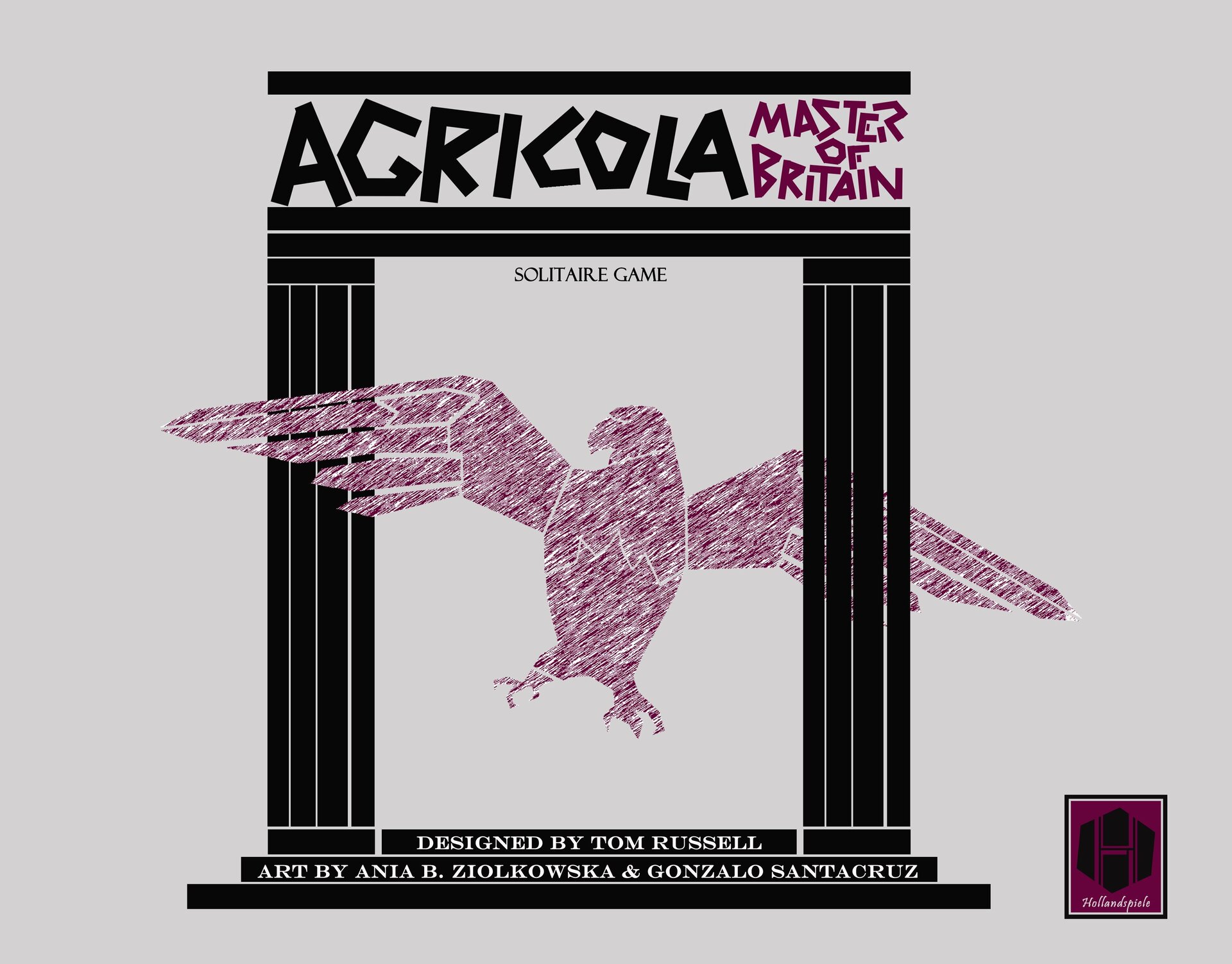
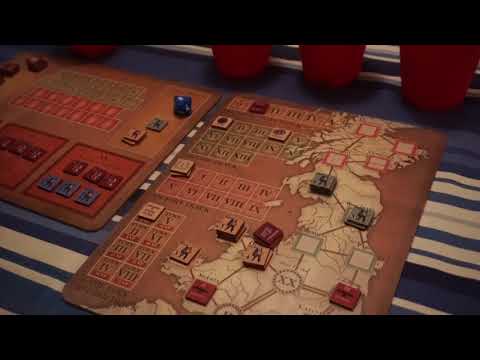
If you're into solo wargames with a historical flair and a touch of strategic uncertainty, Agricola, Master of Britain is right up your alley! The experience is incredibly immersive, putting you in command of the challenging task of pacifying Roman Britannia. With every decision, the tension of not knowing the exact allegiance of the tribes keeps you hooked, making each campaign a unique and rewarding challenge.
thumb_up
Highlights
check_circle
Immersive solo experience
check_circle
Engaging historical theme
check_circle
Innovative allegiance system
check_circle
Impactful strategic decisions
check_circle
High replayability
warning_amber
Keep in mind
report_problem
Can feel a bit dry
report_problem
Relies on chit-pull luck
report_problem
Initial learning curve
upload_file
Rules manual not indexed yetUpload the PDF rulebook to ask questions about this game with AI.
info
About the game
What you do in a play session
In Agricola, Master of Britain, you step into the sandals of a Roman general tasked with pacifying untamed Britannia in the year of Vespasian and Titus. Forget the civil war of a decade past; now, the focus is on subjugating the natives who stubbornly resist Roman rule. This is a solo game of governance and conquest, where you'll need to balance military might, administration, diplomacy, and even bribery to succeed. Every move you make directly impacts how the local populace perceives your rule. But here's the intriguing part: you never quite know who's truly on your side. The game employs an ingenious 'three-cup' system (Friendly, Unfriendly, and Hostile) to represent the allegiance of units. After each action, chits are blindly moved between these cups. You'll get a general sense – like, 'I probably really cheesed them off' or 'I should have plenty of friendlies available for recruitment' – but only by drawing a chit will you discover the true allegiance or where the next rebellion will erupt. It's not pure randomness, though. Certain tribes naturally lean more in one direction, and stabilizing pacified regions diminishes the chances of revolt. Assembling the right armies and taking the right actions at the right time is crucial, especially since the Flavians, and the dreaded Domitian, expect increasingly better results with each campaign. You'll need to exceed their expectations to match Agricola's achievement.
photo_library
Gallery
Box and component photos
11 photos · from the community
01 / 11
Tap any photo to open fullscreen. Photos submitted by the community or publisher.
Components: Map (Continental / National scale)Components: Polyhedral (not D6) diceCountry: EnglandCountry: ScotlandCountry: WalesDigital Implementations: TableTop Simulator Mod (TTS)Digital Implementations: VASSALHistory: Roman BritainHistory: Roman EmpirePlayers: Games with Solitaire RulesPlayers: Solitaire Only GamesPlayers: Solitaire Only WargamesPlayers: Wargames with Solitaire RulesSeries: Three Cups (Amabel Holland)
businessPublisherHollandspiele
editDesignerAmabel Holland
paletteArtistAnia B. Ziolkowska, Gonzalo Santacruz
groups_2
Community
Data from BoardGameGeek
875owners
349wishlist
74want to play
quiz
Frequently Asked Questions
Quick answers before you buy
6 questions
How many players can play Agricola, Master of Britain? expand_more
This is a strictly solo game, designed for a single player looking for an immersive strategic challenge.
What is the average playtime for a game? expand_more
A game typically lasts between 60 and 90 minutes, depending on your familiarity with the rules and the complexity of your decisions.
What is the complexity level of the game? expand_more
Agricola, Master of Britain is considered a medium-complexity game (BGG weight 2.56/5). It requires strategy and planning but isn't overly punitive.
Do I need many components to play? expand_more
As a 'Print & Play' game, you'll need to print the components, such as the map and chits. Digital versions are also available on platforms like TableTop Simulator and VASSAL.
What is the main objective of the game? expand_more
Your objective is to pacify Britannia by managing military forces, diplomacy, and administration to subjugate native tribes and meet the increasing expectations of the Roman Empire.
Is there a lot of luck involved in the game? expand_more
The 'three-cup' chit-pull system introduces an element of uncertainty, but strategic actions and risk management are crucial to mitigate luck and influence outcomes.