Atiwa — Prices
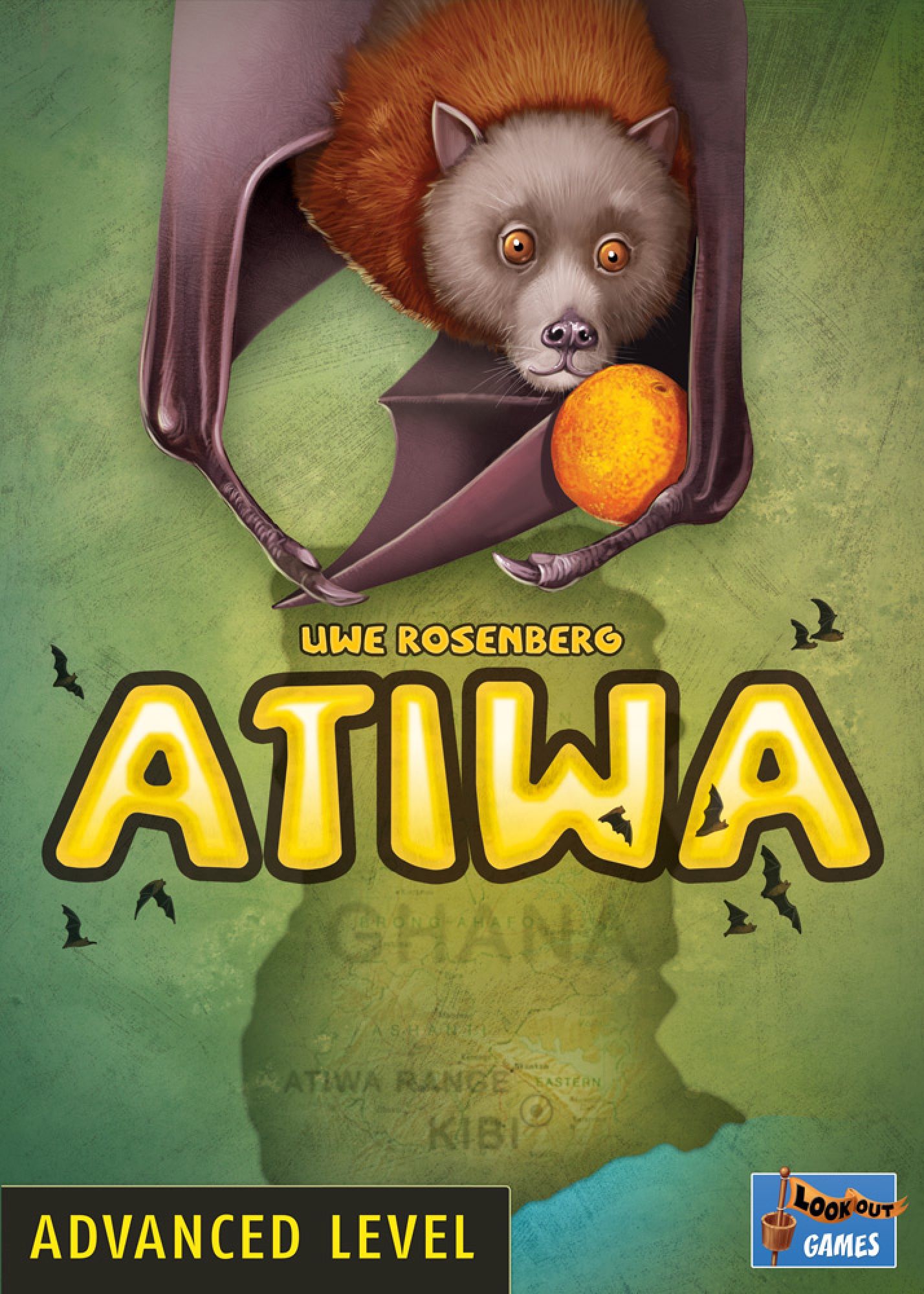
Lookout Games, 999 Games, GoKids 玩樂小子 · Board game · 2022If you enjoy games with an environmental theme and worker placement mechanics that make you think about sustainability, Atiwa is a great choice! It's a beautiful game with a strong message.
- Engaging ecological theme
- Worker placement mechanics
- Interesting modular board
- Powerful educational message
- Can feel slow at first
- Dense resource management
- Initial learning curve
About the game
What you do in a play session
You'll expand your territory, build housing for new residents, and manage resources like wood and fruit. The core mechanic involves worker placement to perform actions such as acquiring new land, caring for animals (including the bats!), and developing your community. The modular board ensures each game is different, and resource management is crucial for success. You'll need to make important decisions about land use, as mining and logging might bring quick gains but harm the environment in the long run.
The game encourages a symbiotic relationship: by protecting bats and the trees they use for shelter, you indirectly improve soil fertility and increase fruit production. Each round, you'll plan your actions to maximize benefits for your community while contributing to the health of the local ecosystem. The player who best harmonizes their village's growth with environmental sustainability will be the winner. Atiwa offers an educational and engaging experience, highlighting the importance of coexistence between humans and nature, with a touch of economic strategy and territory building.
Gallery
Box and component photos
Tap any photo to open fullscreen. Photos submitted by the community or publisher.
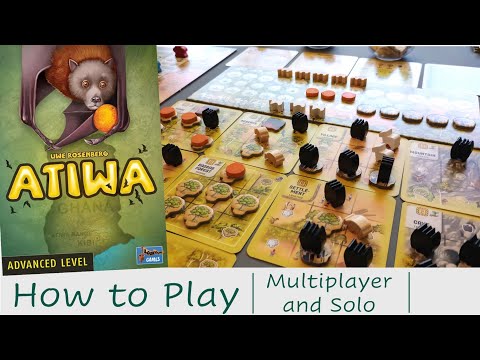
Rules videos
Learn by watching before you open the box



Best player count
BGG community vote
Soundtrack
Ambience suggested by Melodice
Where to Buy
Prices monitored daily
Price history — last 6 months (lowest new offer)
As an Amazon Associate I earn from qualifying purchases. Prices and availability subject to change.
Alert enabled!
Join the BoardGamesBot deals group
Get the best board game deals every day — without message spam.
Join the WhatsApp groupGame details
Mechanics, categories, families and credits
Mechanics
Categories
Families
Community
Data from BoardGameGeek
Frequently Asked Questions
Quick answers before you buy
What is the average playtime for Atiwa?
Is Atiwa a difficult game to learn?
How many players can participate?
Is the environmental theme too heavy or preachy?
Are the components good quality?
Who would you recommend Atiwa to?
Other Games You'll Like
Based on mechanics and theme