Bruges
Hans im Glück, Arclight Games, Broadway Toys LTD · Board game · 2013What do you want to do now
Ask anything about Bruges: rules, setup, components, complexity, price, or whether it fits your group.
If you enjoy games with multi-use cards and tactical decisions every turn, Bruges is a real treat. It's an elegant eurogame that keeps you thinking with every move!
- Multi-use cards
- Deep strategic decisions
- Engaging theme
- Interesting indirect interaction
- High replayability
- Might have some language dependence
- Dice rolling can be frustrating
- Initial learning curve
About the game
What you do in a play session
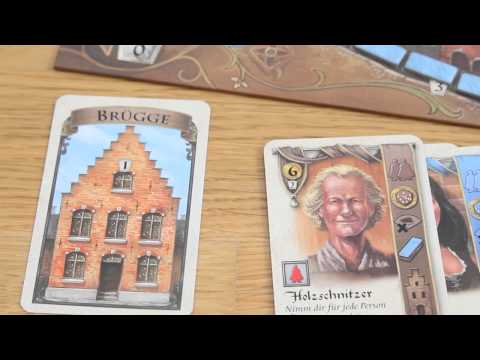
The heart of the game revolves around 165 character cards, each with one of five distinct colors. The magic of Bruges lies in the versatility of these cards: on each turn, you choose a card from your hand and decide how to use it. There are six main actions at your disposal: collect workers, gain money, mitigate an impending threat, build a vital canal for trade, erect a house to expand your influence, or, of course, hire the character depicted on the card to leverage their unique abilities. The trick is that the color of the card you use determines the effectiveness or the area of impact of your action. For example, a blue card might yield blue workers, while a red card could be crucial for combating a red threat. This multi-use card mechanic adds a delightful layer of strategy and tough decisions to each turn. In the end, the merchant who best navigates the waters of Bruges' commerce and politics, accumulating the most prestige, will be the ultimate winner.
Expansions
Published additional content
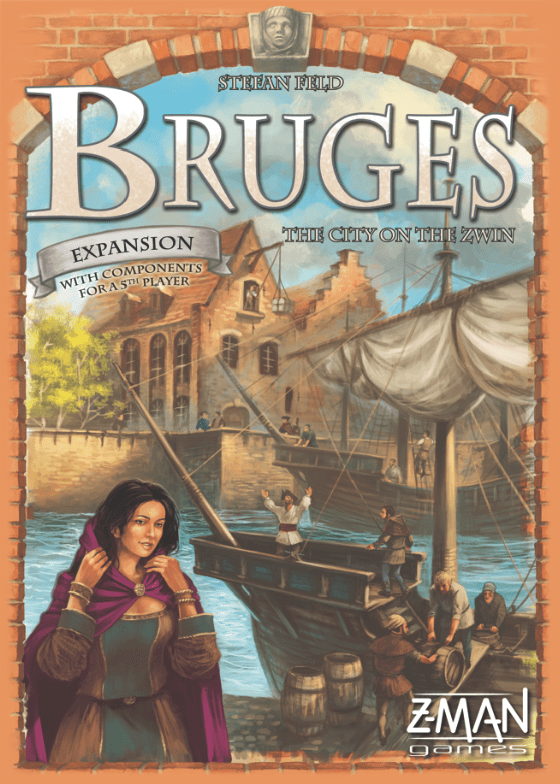
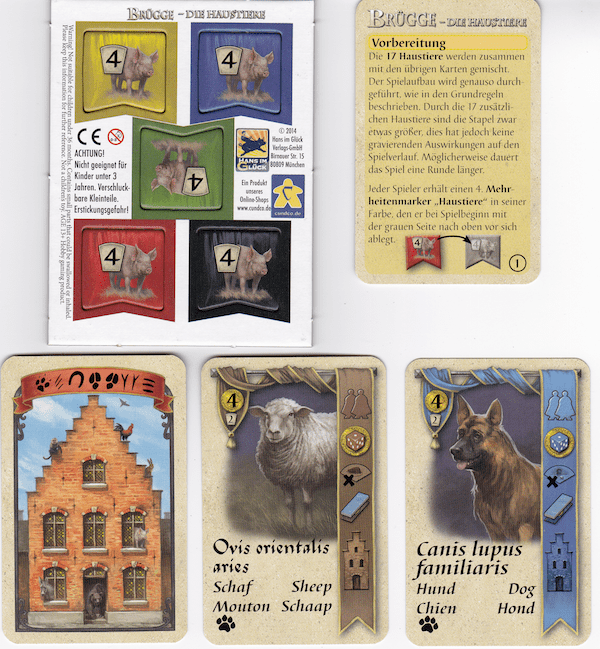
Gallery
Box and component photos
Tap any photo to open fullscreen. Photos submitted by the community or publisher.
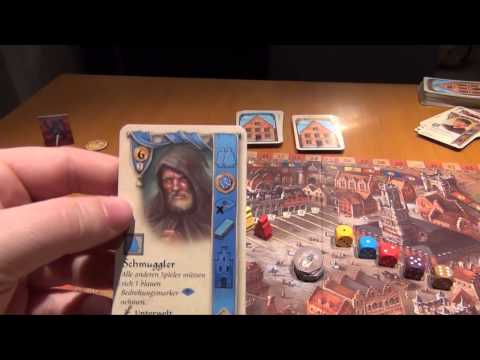
Rules videos
Learn by watching before you open the box


Rules manual
Official PDF file
Best player count
BGG community vote
Soundtrack
Ambience suggested by Melodice
Where to Buy
Prices monitored daily
Price history — last 6 months (lowest new offer)
Alert enabled!
Join the BoardGamesBot deals group
Get the best board game deals every day — without message spam.
Join the WhatsApp groupGame details
Mechanics, categories, families and credits
Mechanics
Categories
Families
Community
Data from BoardGameGeek
Frequently Asked Questions
Quick answers before you buy
How many players can play Bruges and what is the average game duration?
What is the complexity level of Bruges? Is it a game for beginners or more experienced players?
How does the 'multi-use cards' mechanic work in Bruges?
Is there a lot of luck involved in Bruges due to dice rolling?
Does Bruges have expansions or additional content?
Who is Bruges most recommended for?
Other Games You'll Like
Based on mechanics and theme