Codenames: Pictures
Czech Games Edition (CGE), Boardgame Space, Brain Games · Board game · 2016What do you want to do now
Ask anything about Codenames: Pictures: rules, setup, components, complexity, price, or whether it fits your group.
If you're looking for a quick, engaging party game that tests your lateral thinking, Codenames: Pictures is a fantastic choice that brings a fresh visual twist to the beloved word association formula.
- Visually stimulating clue-giving and deduction
- Excellent for diverse player counts
- Quick to learn, easy to teach
- Engaging, tense team competition
- Can be frustrating with poor clues
- Less strategic depth than heavier games
About the game
What you do in a play session
Expansions
Published additional content


Gallery
Box and component photos
Tap any photo to open fullscreen. Photos submitted by the community or publisher.
Rules videos
Learn by watching before you open the box
In English
-
 Codenames: Pictures - Official Rules Video
-
 Codenames: Pictures - How to Play (Skip the Rulebook)
-
 Quick look at Codenames & Codenames Pictures
-
 CODENAMES Pictures: Official How to Play Video
-
 CODENAMES PICTURES Quick Overview
-
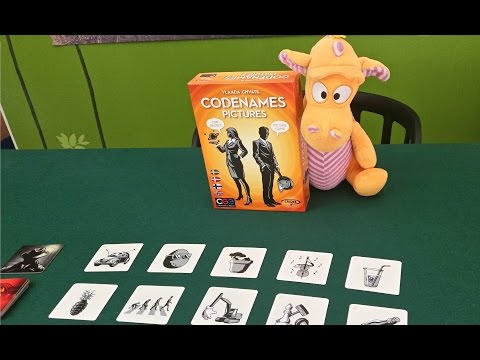 Codenames Pictures - Gameplay Runthrough
-
 How To Play CodeNames Pictures
-
 How To Play in Under 3 Minutes
-
 Spiel doch mal...! FIRST LOOK - Prototyp - CODENAMES PICTURES (EN)
Rules manual
Official PDF file
Best player count
BGG community vote
Soundtrack
Ambience suggested by Melodice
Where to Buy
Prices monitored daily
Price history — last 6 months (lowest new offer)
As an Amazon Associate I earn from qualifying purchases. Prices and availability subject to change.
Alert enabled!
Join the BoardGamesBot deals group
Get the best board game deals every day — without message spam.
Join the WhatsApp groupGame details
Mechanics, categories, families and credits
Mechanics
Categories
Families
Community
Data from BoardGameGeek
Frequently Asked Questions
Quick answers before you buy
How many players can play Codenames: Pictures?
What is the average game length?
Is it a complex game to learn?
What comes in the game box?
Is Codenames: Pictures good for those who already know the original Codenames?
What is the main difference between Codenames: Pictures and the original Codenames?
Other Games You'll Like
Based on mechanics and theme