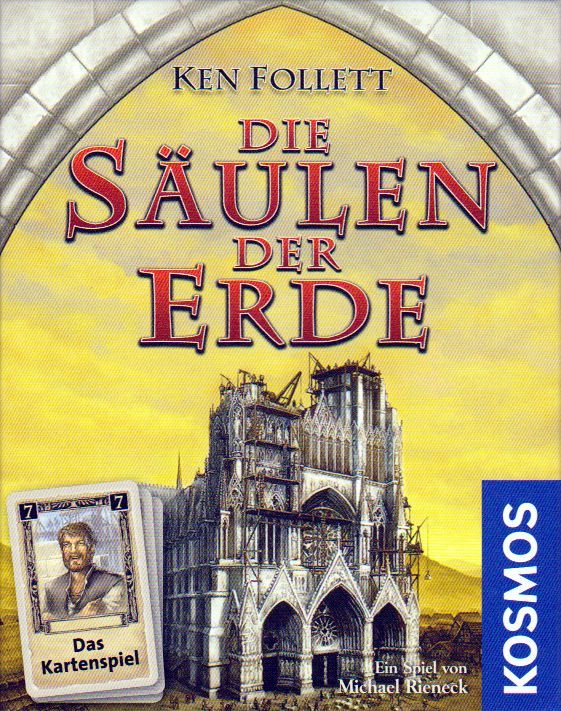
Die Säulen der Erde: das Kartenspiel
999 Games, Devir, Filosofia Éditions · Board game · 2010
3–4 · best 4
60 min
Weight 2.1/5
Buy · from R$ 35,25
7.5
rating
Ludopedia
6.2
rating
BGG
Our Verdict
RECOMMENDED
If you enjoy a card game with a unique twist and love medieval themes, 'Die Säulen der Erde: das Kartenspiel' is an intriguing choice.
Highlights
- Innovative trick-taking mechanic
- Player interaction
- Engaging theme
- Strategic decisions
- Quick playtime
Keep in mind
- Might not suit trick-taking purists
- Fixed player count
- Relies on table interaction
Rules manual not indexed yet
Upload the PDF rulebook to ask questions about this game with AI.
About the game
What you do in a play session
Get ready to dive into 12th-century England with 'Die Säulen der Erde: das Kartenspiel', the card game version of the acclaimed 'The Pillars of the Earth'! Forget large-scale cathedral building for a moment and focus on the cunning and resource management this trick-taking game brings. Here, you take on the role of a master builder seeking reputation, but it's not just about playing the highest card and being done with it. The twist is that the color of the highest card determines who wins the trick, not who played it! This adds a really interesting strategic layer, making you think not only about what to play, but also how your cards can benefit (or screw over) your opponents, or vice-versa.
Your goal is to collect victory points, and to do that, you need to be clever with your tricks. Win rounds that contain your own workers and use them to convert the resources you find on other cards. And as if that weren't enough, we also have Character Cards, inspired by the famous characters from Ken Follett's novel, which add that extra flavor, allowing you to influence the game in unexpected ways. Be careful, as your rivals won't make it easy and will try to steal your artisans or send them to the King's court, all to prevent you from achieving glory. It's a game that mixes the familiarity of trick-taking with a touch of originality and plenty of player interaction. Perfect for those who enjoy a quick game, but with strategic decisions every round!
Your goal is to collect victory points, and to do that, you need to be clever with your tricks. Win rounds that contain your own workers and use them to convert the resources you find on other cards. And as if that weren't enough, we also have Character Cards, inspired by the famous characters from Ken Follett's novel, which add that extra flavor, allowing you to influence the game in unexpected ways. Be careful, as your rivals won't make it easy and will try to steal your artisans or send them to the King's court, all to prevent you from achieving glory. It's a game that mixes the familiarity of trick-taking with a touch of originality and plenty of player interaction. Perfect for those who enjoy a quick game, but with strategic decisions every round!
Gallery
Box and component photos
Tap any photo to open fullscreen. Photos submitted by the community or publisher.
Best player count
BGG community vote
3
REC
4
BEST
Soundtrack
Ambience suggested by Melodice
Loading playlist...
Where to Buy
Prices monitored daily
Finding best prices...
Prices unavailable at this time.
Price history — last 6 months (lowest new offer)
Alert enabled!
Join the BoardGamesBot deals group
Get the best board game deals every day — without message spam.
Join the WhatsApp groupGame details
Mechanics, categories, families and credits
Mechanics
Categories
Families
Publisher
999 Games, Devir, Filosofia Éditions, Galakta, Giochi Uniti, Grok Games, KOSMOS, Ludofy Creative
Designer
Michael Rieneck
Artist
Anke Pohl, Michael Menzel, Thilo Rick
Community
Data from BoardGameGeek
2,516owners
70wishlist
21want to play
Frequently Asked Questions
Quick answers before you buy
How many players can participate?
The game is designed for 3 to 4 players, making it ideal for small groups looking for a more direct and interactive gaming experience.
What is the average playtime for a match?
A game of 'Die Säulen der Erde: das Kartenspiel' typically lasts between 60 to 60 minutes, perfect for a quick and fun gaming session.
Is it a complex game to learn?
No, the game has a complexity weight of 2.1091/5 on BGG, meaning it's light to medium in complexity. The rules are easy to pick up, but the strategic depth reveals itself with more plays.
Do I need to know the book 'The Pillars of the Earth' to play?
It's not necessary to have read Ken Follett's novel to enjoy the game. The medieval theme and characters add flavor, but the mechanics are independent of the original story.
What are the main components of the game?
The game primarily consists of cards, including worker, resource, and character cards, which are the focus of the hand management and trick-taking gameplay.
What makes this trick-taking game different?
The big difference is that the color of the highest card in the trick determines the winner, not who played it. This adds a tactical layer where you need to consider not only the card's value but also its color and the impact on other players.
Other Games You'll Like
Based on mechanics and theme